

Nazca
Nazca Travel Guide
Discover the Nazca Lines, ancient archaeological sites, desert landscapes and the best ways to experience one of Peru’s most mysterious destinations.
Nazca is one of the most fascinating destinations on Peru’s southern coast.
Best known for the extraordinary Nazca Lines, the region offers much more than a scenic flight over the desert. Ancient ceremonial centers, archaeological sites, underground aqueducts, cemeteries and a landscape shaped by centuries of human adaptation make Nazca a destination worth exploring beyond its most famous attraction.
The Nazca Lines and Geoglyphs of Nasca and Palpa are recognized by UNESCO as a World Heritage Site. Thousands of lines and figures were created across the desert landscape, including animals, plants, geometric shapes and other designs that remain an important subject of archaeological research. UNESCO World Heritage Centre
Whether you are visiting Nazca from Lima, Paracas, Huacachina or Arequipa, this guide explains what to see, how to experience the Nazca Lines, how long to stay, how to get there and how to plan your visit.
Nazca at a Glance
Nazca sits in one of the driest landscapes in Peru, where the desert helped preserve an extraordinary archaeological record.
📍 Location: Ica Region, southern Peru
🏜️ Setting: Pacific coastal desert
⛰️ Altitude: Approximately 289 m / 948 ft in Nazca
🛩️ Main attraction: Nazca Lines and Geoglyphs
🏺 Other highlights: Cahuachi, Chauchilla, Cantalloc Aqueducts and desert landscapes
📅 Typical stay: 1–2 days
🔎 Best known for: Archaeology, geoglyphs, desert scenery and scenic flights
🚌 Main travel connections: Lima, Paracas, Ica, Huacachina and Arequipa
Why Visit Nazca?

Nazca is worth visiting if you are interested in ancient civilizations, archaeology, unusual landscapes and experiences that are difficult to find elsewhere in Peru.
The destination offers a rare combination of:
- Ancient geoglyphs spread across an immense desert landscape
- Archaeological centers connected to the ancient Nasca culture
- Ancient hydraulic engineering
- Desert scenery
- Archaeological cemeteries
- Scenic flights
- A strong connection between landscape, culture and ritual
The Nazca Lines are undoubtedly the main attraction, but the surrounding archaeological sites make it possible to understand the region beyond the famous figures seen from the air.
If you are traveling through southern Peru, Nazca also fits naturally into a route connecting Lima, Paracas, Huacachina and Arequipa.
The Nazca Lines
The Nazca Lines are enormous geoglyphs created by removing the darker surface material of the desert to expose the lighter ground underneath.
The UNESCO World Heritage property includes the Lines and Geoglyphs of Nasca and Palpa and covers a vast archaeological landscape. The geoglyphs include animals, plants, fantastic figures and geometric forms, while other lines extend for several kilometers across the desert.
Their exact meanings and functions are still studied by researchers, which is part of what makes the site so fascinating.
What Are the Nazca Lines?
The Nazca Lines are a collection of large-scale geoglyphs and geometric lines created across the desert landscape of southern Peru.
Some represent recognizable figures such as birds, monkeys and other animals, while others consist of geometric shapes, straight lines and enormous patterns.
Because of their scale, many of the most famous figures are difficult to understand from ground level.
Who Created the Nazca Lines?
The geoglyphs were created by ancient societies that lived on Peru’s southern coast.
UNESCO’s documentation places their development within a long cultural sequence extending from the Formative period through the Nasca period, including approximately 500 B.C. to 500 A.D. for the principal phases described for the property.
Rather than attributing the Lines to a single moment or a single purpose, researchers continue to study how different societies used and modified this landscape over time.
What Do the Nazca Lines Represent?
The geoglyphs include:
- Animals
- Birds
- Plants
- Geometric figures
- Long straight lines
- Spirals
- Triangles
- Other symbolic and abstract forms
Their precise meaning remains an area of archaeological interpretation.
UNESCO notes that the Lines are believed to have had ritual and possibly astronomical associations, but many questions about their use and significance remain open.
Why Have the Nazca Lines Survived for So Long?
Nazca’s extremely arid desert environment has played an important role in preserving the geoglyphs.
The low rainfall and desert conditions helped protect the lines from the natural erosion that would affect similar structures in wetter environments. UNESCO identifies the extreme aridity of the landscape as one of the factors contributing to their preservation.
How to See the Nazca Lines
There are several ways to experience the Nazca Lines, but they do not provide the same perspective.
For most travelers, a scenic flight offers the clearest overall view of the major figures.
Fly Over the Nazca Lines
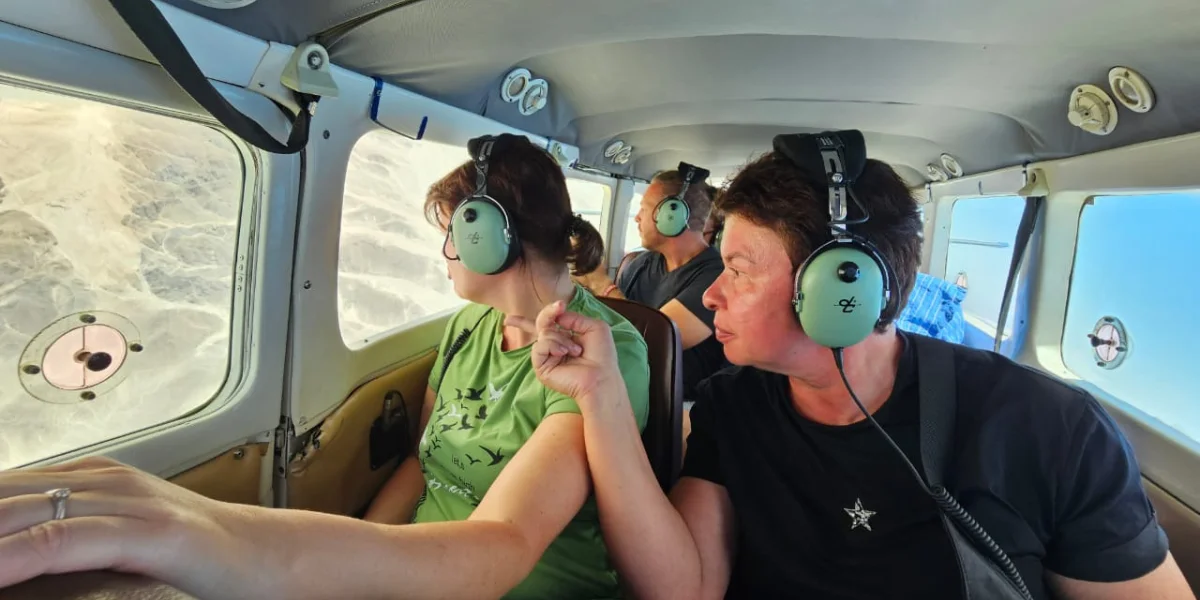
A flight over the Nazca Lines is the most immersive way to experience the scale and complexity of the geoglyphs.
From the air, passengers can see several of the best-known figures and understand how enormous the designs are compared with the surrounding desert.
Flight schedules, routes, aircraft and operating conditions vary by provider, so travelers should confirm the current details directly with their operator before traveling.
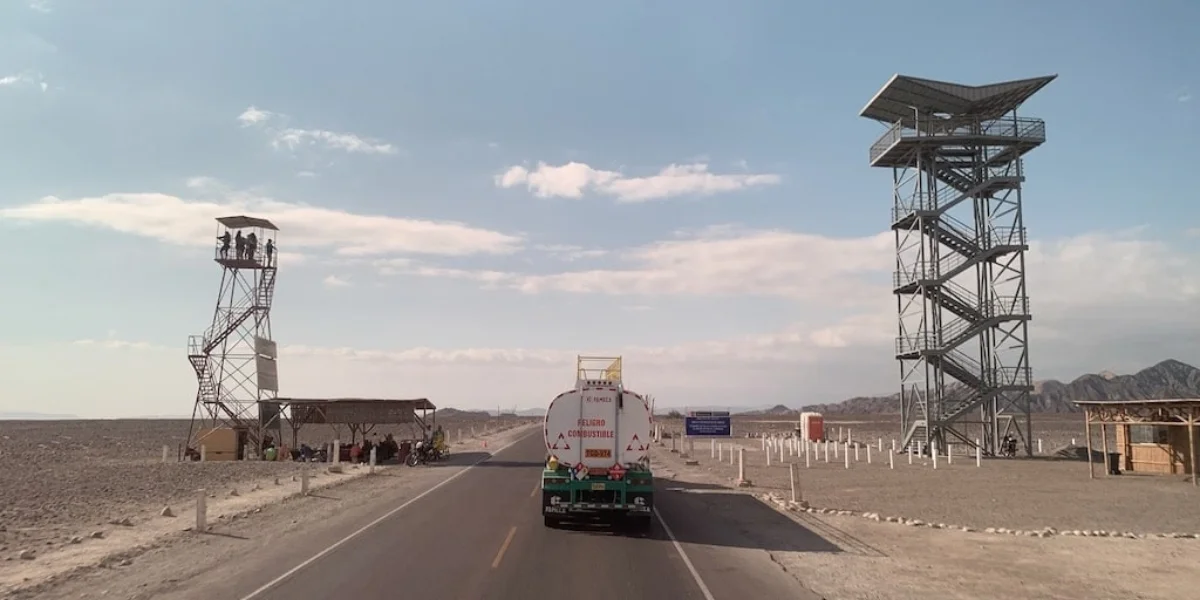
Nazca Viewing Tower
If you prefer to stay on the ground, the Nazca viewing tower offers another perspective.
The official Peru Travel information identifies a viewing tower in the area as one of the ways visitors can observe selected geoglyphs.
The experience is very different from a flight: you will not see the full collection of famous figures from the tower, but it is a useful option for travelers who do not want to fly or who are looking for a lower-cost alternative.
Ground-Level Views & Desert Landscape
The surrounding desert itself is part of the experience.
Although the most recognizable figures are best appreciated from above, the landscape helps visitors understand the scale of the archaeological area and why the preservation of the desert surface is so important.
Best Things to Do in Nazca
Nazca is much more than a one-hour flight.
If your schedule allows, combine the Lines with at least one or two archaeological sites.
Experience a Nazca Lines Flight
The flight remains the signature Nazca experience.
It gives travelers the perspective necessary to understand the enormous scale of the geoglyphs and is particularly valuable for first-time visitors.
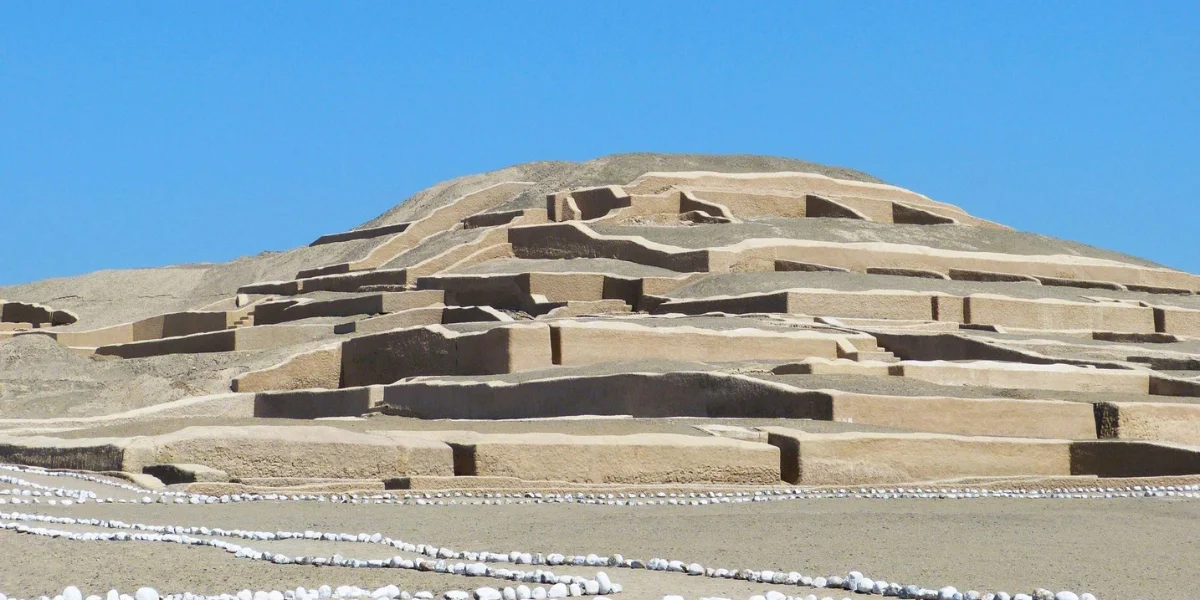
Visit Cahuachi Archaeological Complex
Cahuachi is one of the most important archaeological sites associated with the ancient Nasca culture.
The monumental complex contains adobe structures and truncated pyramids within the Nazca desert landscape. The Peruvian Ministry of Culture identifies Cahuachi as a major ceremonial center and has continued legal and conservation work to protect the archaeological area.
Visiting Cahuachi adds an important cultural dimension to a Nazca itinerary because it helps place the Lines within the broader archaeological landscape of the region.
Explore Chauchilla Cemetery
The Chauchilla archaeological site provides another perspective on the region’s ancient cultures.
The site is associated with funerary remains and archaeological evidence preserved in the desert environment.
Because Chauchilla forms part of a protected archaeological landscape, visitors should remain within designated areas and follow current site regulations.
The Ministry of Culture continues to protect and monitor archaeological areas around Chauchilla, including the protection of sectors within the Nasca archaeological reserve.

Fly Over the Nazca Lines

Explore the Cahuachi Pyramids

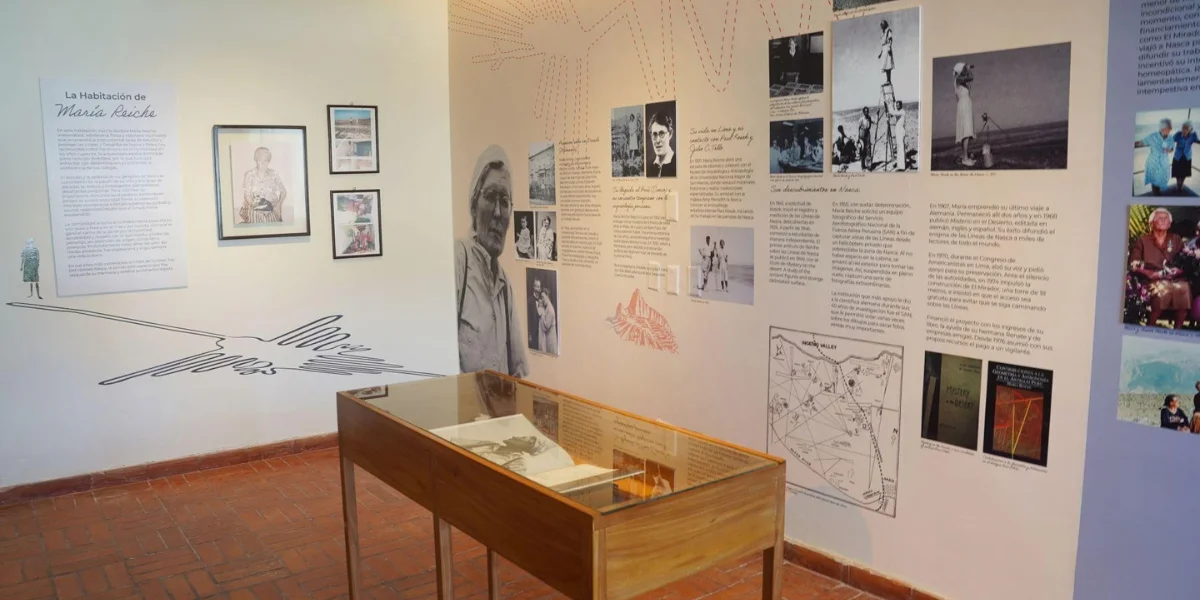
Maria Reiche Museum
Visit the Cantalloc Aqueducts
The Cantalloc Aqueducts demonstrate the sophisticated ways ancient communities adapted to life in an extremely dry environment.
These underground and open-air hydraulic structures are among the most interesting archaeological attractions near Nazca.
Peru Travel highlights the Cantalloc Aqueducts as an important example of ancient hydraulic engineering associated with the region.
Learn About Maria Reiche and the Nazca Lines
Maria Reiche became one of the most important figures in the modern study and preservation of the Nazca Lines.
Her decades of research and dedication helped bring international attention to the geoglyphs and contributed to their documentation and protection.
Her work is an important part of the modern history of Nazca archaeology.
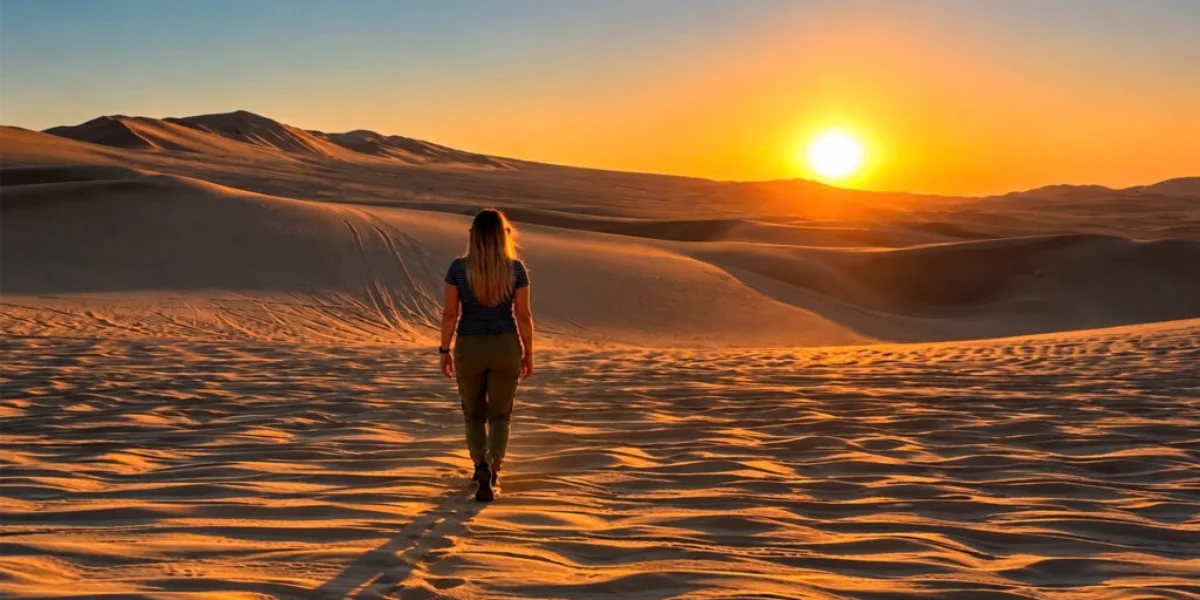
Explore the Nazca Desert
The desert landscape itself is part of what makes Nazca different from other Peruvian destinations.
The enormous open spaces, mountains and archaeological sites create opportunities for travelers interested in photography, history and desert landscapes.

Chauchilla Cemetery

The Nazca Line Viewing Tower

Explore the Cantalloc Aqueducts
These spiral-shaped underground channels, built by the Nazca people over 1,500 years ago, are still functioning and showcase the ingenuity of ancient engineering.
Nazca History & Culture
The story of Nazca goes far beyond the Lines.
The region was home to complex societies that developed agriculture, ceramics, textiles, hydraulic systems and ceremonial traditions despite living in one of the world’s driest environments.
The Ancient Nasca Culture
The Nasca culture is particularly known for its sophisticated ceramics, textiles, archaeological architecture and geoglyphs.
The archaeological record shows that the region supported complex communities capable of organizing large-scale construction and adapting to challenging environmental conditions.
Life in the Desert
Water was one of the defining challenges of life in southern Peru.
The presence of structures such as the Cantalloc Aqueducts demonstrates the importance of managing scarce water resources.
This relationship between people, water and the desert is one of the most interesting themes to explore when visiting Nazca.
Nazca’s Archaeological Landscape
The Lines should not be viewed as an isolated attraction.
They form part of a much larger cultural landscape that includes ceremonial centers, settlements, cemeteries, hydraulic systems and other archaeological remains.
That broader context is what makes spending more than a few hours in Nazca worthwhile.
Best Time to Visit Nazca
Nazca can be visited throughout the year.
Its desert climate means that rain is generally not the dominant concern travelers experience in wetter parts of Peru.
The more important considerations are heat, sun exposure, visibility and the operating conditions of your chosen flight.
Nazca Weather
Nazca has a warm, arid desert climate.
Official Peru Travel information gives typical temperatures in the region in the low-to-high 20s Celsius and describes the destination as a warm desert environment.
Expect strong sun during the day and plan accordingly.
Best Conditions for a Nazca Lines Flight
Flight operations depend on the operator, weather and aviation conditions.
Rather than assuming that one month or one time of day is always best, confirm the current operating schedule and conditions with your flight provider.
Peru Travel currently lists referential flight hours from approximately 6:00 a.m. to 5:00 p.m., but these times can change.
What to Expect During the Day
The combination of desert sun and dry conditions makes hydration and sun protection particularly important.
A hat, sunscreen, sunglasses and lightweight clothing are useful for most visitors.
How Many Days Do You Need in Nazca
For travelers focused mainly on the Nazca Lines, one full day can be enough.
If you want to explore the archaeological sites surrounding the city, staying overnight makes the experience considerably more relaxed.
One Day in Nazca
A practical one-day visit could include:
Morning: Nazca Lines flight
Late morning: Breakfast or lunch
Afternoon: Cahuachi, Cantalloc or Chauchilla
Evening: Continue your journey or stay overnight
This option works well for travelers moving along Peru’s southern coast.
Two Days in Nazca
Two days allow you to slow down and explore more of the archaeological landscape.
Day 1: Nazca Lines flight + town
Day 2: Cahuachi + Chauchilla + Cantalloc
This is the better option for travelers who are particularly interested in archaeology and history.
Three Days in Nazca
Three days are generally more time than most travelers need, but they can work for travelers interested in deeper archaeological exploration, photography or a slower desert itinerary.
Nazca Itineraries
One-Day Nazca Itinerary
Early morning: Nazca Lines flight
Late morning: Breakfast and rest
Afternoon: Cahuachi or Cantalloc
Evening: Continue south or stay overnight
Two-Day Nazca Itinerary
Day 1
Nazca Lines flight → town → archaeological museum or local experience.
Day 2
Cahuachi → Chauchilla → Cantalloc → continue your journey.
Paracas, Huacachina & Nazca
Nazca fits naturally into a southern Peru route.
A popular sequence is:
Lima → Paracas → Huacachina → Nazca
This allows travelers to experience:
- Pacific wildlife
- Coastal desert
- Sand dunes
- Huacachina oasis
- Nazca archaeology
- Nazca Lines
Explore Our: Paracas Travel Guide or Huacachina Travel Guide
Nazca as Part of a Southern Peru Road Trip
Travelers continuing south can combine Nazca with destinations such as Arequipa and the Colca Canyon.
For longer Peru itineraries, Nazca works best as one component of a broader route rather than as an isolated destination.
How to Get to Nazca
Nazca is primarily reached by road.
Lima to Nazca
The most common option is traveling south from Lima along the Pan-American Highway.
Peru Travel currently describes the Lima–Ica journey as approximately four hours by road, followed by approximately two hours from Ica to Nazca, although actual travel time depends on traffic, stops and road conditions.
Ica & Huacachina to Nazca
Nazca can be reached from Ica and Huacachina by road, making it a logical continuation after a desert experience.
Paracas to Nazca
Paracas is another natural stop before Nazca.
Travelers can combine the Ballestas Islands and Paracas National Reserve with a continuation south toward Nazca.
Arequipa to Nazca
Travelers heading north from Arequipa can also include Nazca as part of a longer southern Peru route.
This works particularly well for travelers who want to connect the desert coast with Arequipa and the Andes.
Getting Around Nazca
Most of the main archaeological attractions are outside the central urban area.
For a multi-site itinerary, an organized tour or private transportation is generally more practical than trying to arrange each transfer independently.
Where to Stay in Nazca
Whether you should stay overnight depends mainly on your itinerary.
Staying in Nazca Town
Staying in Nazca makes sense if you want to visit several archaeological sites or avoid rushing through a long travel day.
It can also be convenient if your flight schedule requires you to spend the night before or after your Lines experience.
When an Overnight Stay Makes Sense
Consider staying overnight if:
- You want to visit Cahuachi
- You want to see Chauchilla
- You want to visit Cantalloc
- You prefer a slower itinerary
- You are traveling with children
- You are continuing south the following day
If your only goal is to see the Lines and continue your journey, a shorter stop may be sufficient.
How to Choose a Nazca Lines Flight
Choosing a flight should be based on more than price.
The Nazca Lines are protected archaeological heritage, and the quality and reliability of the experience matter.
What to Check Before Booking
Before booking, check:
- Current operating schedule
- Departure location
- Flight route
- Aircraft type
- Passenger capacity
- Weight restrictions
- Cancellation conditions
- Weather policy
- Transfer arrangements
- What is included in the price
Flight Schedule
Flight schedules can vary according to the operator and conditions.
Do not assume that an advertised time guarantees departure.
Always confirm the current schedule before traveling.
Aircraft & Operator
Compare the operator’s current information carefully rather than choosing exclusively on price.
Look for transparent booking conditions, clear passenger requirements and reliable communication.
Motion Sickness
Flights over the Lines involve repeated turns so passengers on both sides of the aircraft can see the geoglyphs.
Travelers who are sensitive to motion sickness should prepare accordingly.
Consider eating lightly before the flight and carrying any medication or personal remedies that you normally use for motion sickness.
What to Bring
Bring:
- Passport or valid identification
- Sunglasses
- Camera or phone
- Light clothing
- Sunscreen
- Water
- Any personal motion-sickness medication
Peru Travel also lists identification, a camera and light clothing among the recommended essentials.
Nazca for Different Travelers
First-Time Visitors
If this is your first visit, prioritize the Nazca Lines flight and one archaeological site.
Cahuachi is particularly valuable if you want more context about the civilization and landscape behind the geoglyphs.
History & Archaeology Travelers
Spend at least two days if possible.
Combine the Lines with Cahuachi, Chauchilla and Cantalloc to understand how the region’s ancient societies interacted with the desert.
Adventure Travelers
Nazca’s desert landscape provides a different kind of adventure from the Andes.
Combine archaeological exploration with desert experiences or continue south toward Arequipa for a broader Peru adventure.
Families
Families can enjoy Nazca, but the experience requires some planning.
The flight may not be ideal for travelers who are highly sensitive to motion, so consider the viewing tower and archaeological sites as alternatives or complements.
Budget Travelers
Travelers on a tighter budget can experience selected Nazca attractions without taking a flight.
The viewing tower provides a lower-cost way to see some of the geoglyphs, while archaeological sites such as Cahuachi and Cantalloc add depth to the visit.
Responsible Travel & Heritage Protection
The Nazca Lines and surrounding archaeological sites are fragile cultural heritage.
Visitors should never walk onto protected geoglyph areas, remove archaeological material or enter restricted areas.
Follow the instructions of guides, operators and site authorities.
This is not simply about protecting a tourist attraction. The archaeological landscape remains an important part of Peru’s cultural heritage.
The Peruvian Ministry of Culture continues to undertake protection and conservation actions in the Nazca archaeological reserve. Recent interventions in the Chauchilla sector demonstrate why responsible tourism and respect for restricted areas are essential.
Travel Responsibly
- Stay on designated routes.
- Do not touch or remove archaeological material.
- Do not enter restricted areas.
- Do not leave waste in the desert.
- Follow current instructions from authorities and guides.
- Choose operators that respect heritage protection rules.
Practical Nazca Travel Tips
- Book Flights in Advance
Nazca Line flights are popular—especially in peak season (May–October). Reserve ahead for better availability, timing, and prices. - Fly in the Morning
Mornings usually offer the clearest skies and calmer winds, ensuring smoother flights and optimal visibility of the geoglyphs. - Choose a Reputable Airline
Opt for certified operators with good safety records. Some tours include hotel pick-up and drop-off, which can add value. - Be Prepared for Motion Sickness
Flights involve sharp turns for viewing the lines. Take motion sickness pills beforehand if you’re prone to nausea. - Pack Essentials
Bring sunglasses, sunscreen, a hat, and water—Nazca’s desert climate can be harsh, especially midday. - Visit Chauchilla Cemetery or Aqueducts
Enhance your trip with nearby archaeological sites like the ancient aqueducts or Chauchilla Cemetery for more insight into Nazca culture. - Stay Overnight
Consider spending a night in Nazca instead of rushing through. It allows you to enjoy the town’s charm and explore more beyond the lines.
Plan Your Nazca Trip
Nazca is best experienced as part of a larger southern Peru journey.
A classic route can connect:
Lima → Paracas → Huacachina → Nazca → Arequipa
Or you can combine Nazca with a shorter coastal itinerary from Lima.
Before finalizing your route, explore our destination guides:
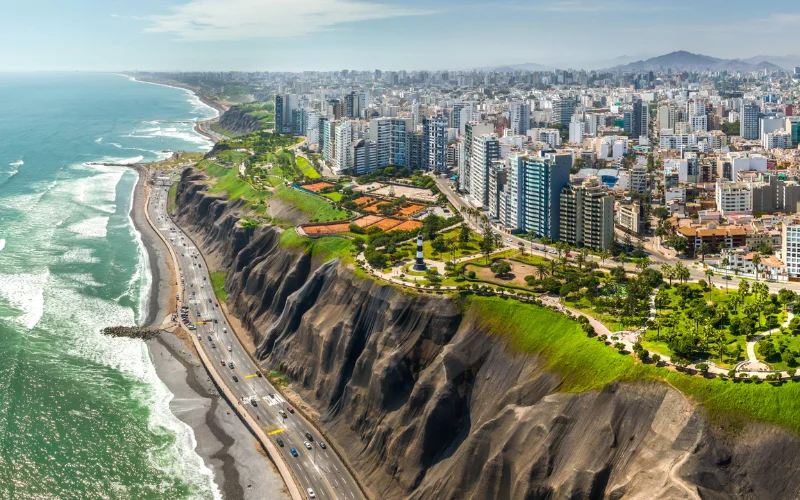
Lima Travel Guide
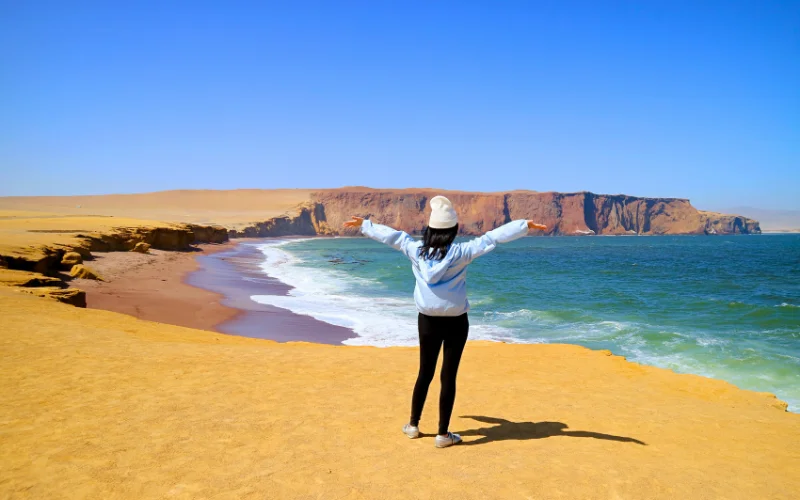
Paracas Travel Guide
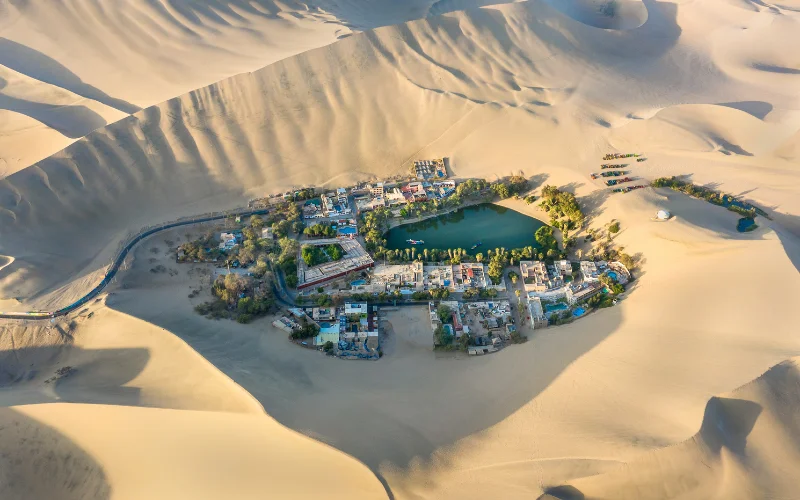
Huacachina Travel guide
Peru Travel guide

Peru Travel Cost Guide
Ways to Experience Nazca

Paracas, Huacachina & Nazca Lines

Paracas & Huacachina Day Tour
Frequently Asked Questions About Nazca
Are the Nazca Lines worth visiting?
Yes. The Nazca Lines are one of Peru’s most extraordinary archaeological attractions and form part of a UNESCO World Heritage property. The experience is especially valuable when combined with other archaeological sites in the region.
How do you see the Nazca Lines?
The most comprehensive way is by scenic flight. Travelers can also use the viewing tower to see selected geoglyphs from the ground.
Is flying over the Nazca Lines safe?
Flights are operated by aviation companies subject to Peruvian aviation regulations, but travelers should still research their operator, confirm current operating conditions and understand the provider’s booking and cancellation policies before flying.
How long is the Nazca Lines flight?
Flight duration varies according to the operator and route, so it is better to confirm the exact duration when booking rather than relying on a fixed number.
Can you see the Nazca Lines without flying?
Yes. The official viewing tower provides a ground-based option, although it offers a much more limited perspective than a flight.
How many days do you need in Nazca?
One day can be enough for travelers focused on the Lines. Two days are better if you want to combine the flight with Cahuachi, Chauchilla and Cantalloc.
Can you visit Nazca from Lima?
Yes. Nazca can be reached from Lima by road. Peru Travel gives approximately four hours from Lima to Ica and another two hours from Ica to Nazca as reference travel times.
Can you visit Nazca from Huacachina?
Yes. Nazca is a logical continuation after visiting Huacachina and can be incorporated into a southern Peru itinerary.
Should you stay overnight in Nazca?
If you only want to see the Lines, an overnight stay may not be necessary. If you want to visit several archaeological sites, staying one night makes the itinerary more comfortable.
What else can you see near Nazca?
The main attractions include Cahuachi, Chauchilla Cemetery, Cantalloc Aqueducts and other archaeological and desert landscapes.
Ready to Discover Nazca?
Explore one of Peru’s most extraordinary archaeological landscapes, from the famous Nazca Lines to ancient ceremonial centers and desert engineering.