+51 913 965 587

Peru Bucket List Logo Web
Contact Peru Bucket List by phone

Puerto Maldonado

Puerto Maldonado Travel Guide

Puerto Maldonado is one of the main gateways to the Peruvian Amazon, offering access to tropical rainforest, wildlife-rich oxbow lakes, rivers, jungle lodges and the extraordinary biodiversity of Tambopata National Reserve.

Located in southeastern Peru in the Madre de Dios region, Puerto Maldonado is very different from Peru’s high-altitude destinations. Most travelers come here not simply to explore the city, but to continue deeper into the rainforest, where days can include wildlife walks, boat journeys, visits to clay licks, night excursions and stays in Amazon lodges.

Whether you are adding the rainforest after visiting [Cusco → /cusco/] and [Machu Picchu → /machu-picchu/], or planning an Amazon-focused journey, this Puerto Maldonado travel guide covers what to see, how many days to stay, when to visit, how to choose a jungle lodge and what to expect from Tambopata.

Explore more destinations in our Peru Travel Guide → 

Puerto Maldonado at a Glance

🗺️ Region: Madre de Dios
📍 Location: Southeastern Peru
🌳 Environment: Lowland Amazon rainforest
🌿 Main gateway to: Tambopata and surrounding Amazon rainforest
✈️ Airport: Padre Aldamiz International Airport (PEM)
🛶 Main rivers: Madre de Dios and Tambopata
🦜 Known for: Wildlife, rainforest lodges, Lake Sandoval and clay licks
📅 Typical trip: 3–4 days for many first-time visitors
🌧️ Climate: Tropical, hot and humid
🌿 Best-known protected area: Tambopata National Reserve

Unlike Cusco, Puerto Maldonado lies in Peru’s tropical lowlands, so altitude is not the main concern here. Travelers should instead prepare for heat, humidity, rain, insects and changing rainforest conditions.

Why Visit Puerto Maldonado?
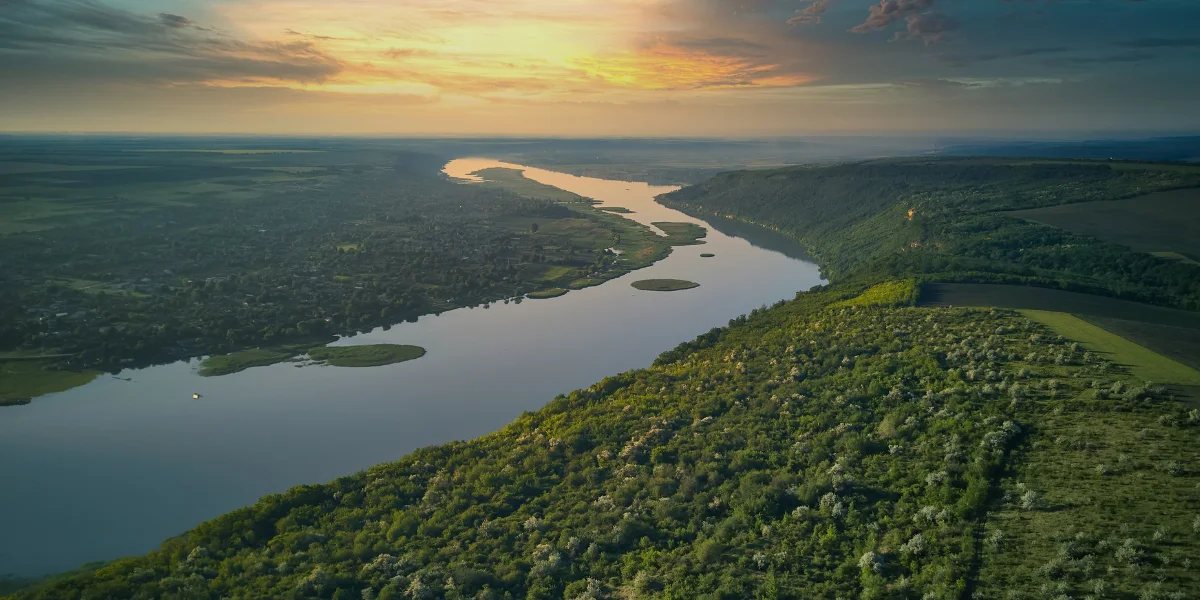
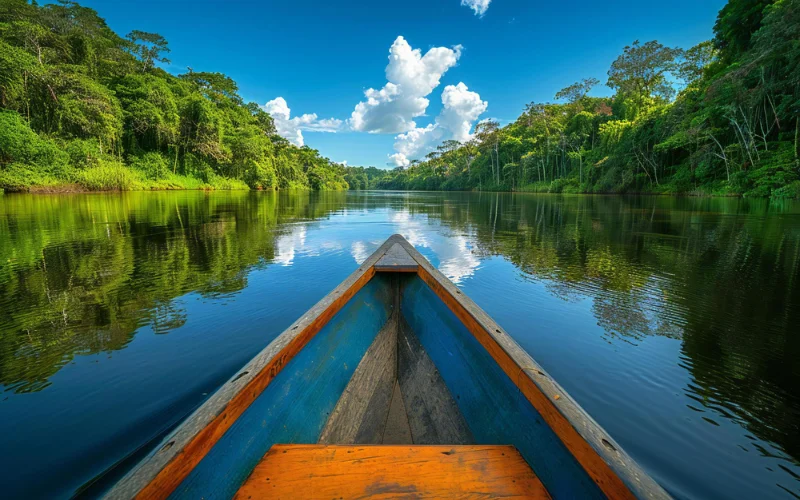
Amazon rainforest and river landscape near Puerto Maldonado Peru

Puerto Maldonado gives travelers access to a side of Peru that feels completely different from the Andes, Pacific coast and historic cities.

The main attraction is the surrounding Amazon rainforest.

From Puerto Maldonado, travelers can reach rainforest lodges, oxbow lakes, clay licks and protected areas where monkeys, caimans, macaws, parrots, giant river otters and many other species may be observed in their natural environment.

Wildlife sightings can never be guaranteed, but this unpredictability is part of experiencing a living rainforest.

Puerto Maldonado is particularly appealing if you want to:

  • experience the Peruvian Amazon without traveling to northern Peru;
  • combine the rainforest with Cusco and Machu Picchu;
  • stay in a jungle lodge;
  • observe Amazon wildlife;
  • explore rivers and rainforest trails;
  • experience birdwatching;
  • learn about rainforest ecosystems and conservation.

For many travelers following a classic southern Peru itinerary, Puerto Maldonado is a natural Amazon extension after Cusco.

Machu Picchu Travel Guide →

Puerto Maldonado & the Peruvian Amazon

Understanding the geography makes planning a Puerto Maldonado trip much easier.

Puerto Maldonado is the city and transportation hub. Madre de Dios is the wider region, while Tambopata National Reserve is one of the most important protected natural areas travelers can access from this part of Peru.


Puerto Maldonado: Gateway to the Rainforest

Most travelers arrive in Puerto Maldonado by air or road and then continue toward their accommodation.

Depending on the lodge, reaching the rainforest may involve a road transfer, a boat journey along one of the region’s rivers, or a combination of both.

This means your Amazon experience may begin in Puerto Maldonado, but much of your trip can take place well outside the city.


Madre de Dios

Madre de Dios is one of Peru’s major Amazonian regions and contains vast areas of tropical rainforest, rivers and protected ecosystems.

Puerto Maldonado is its regional capital and one of the most practical access points for travelers wanting to explore the southeastern Peruvian Amazon.


Tambopata National Reserve

Tambopata National Reserve is one of the major reasons travelers come to Puerto Maldonado.

The protected area covers approximately 274,690 hectares and protects remarkably diverse Amazonian habitats and wildlife. SERNANP organizes tourism within the reserve around sectors including Sandoval, Medio Tambopata and Alto Tambopata.

These areas offer different combinations of lakes, rainforest trails, rivers, clay licks and wildlife observation.

Official Tambopata National Reserve visitor information — SERNANP

Tambopata National Reserve: What to Expect
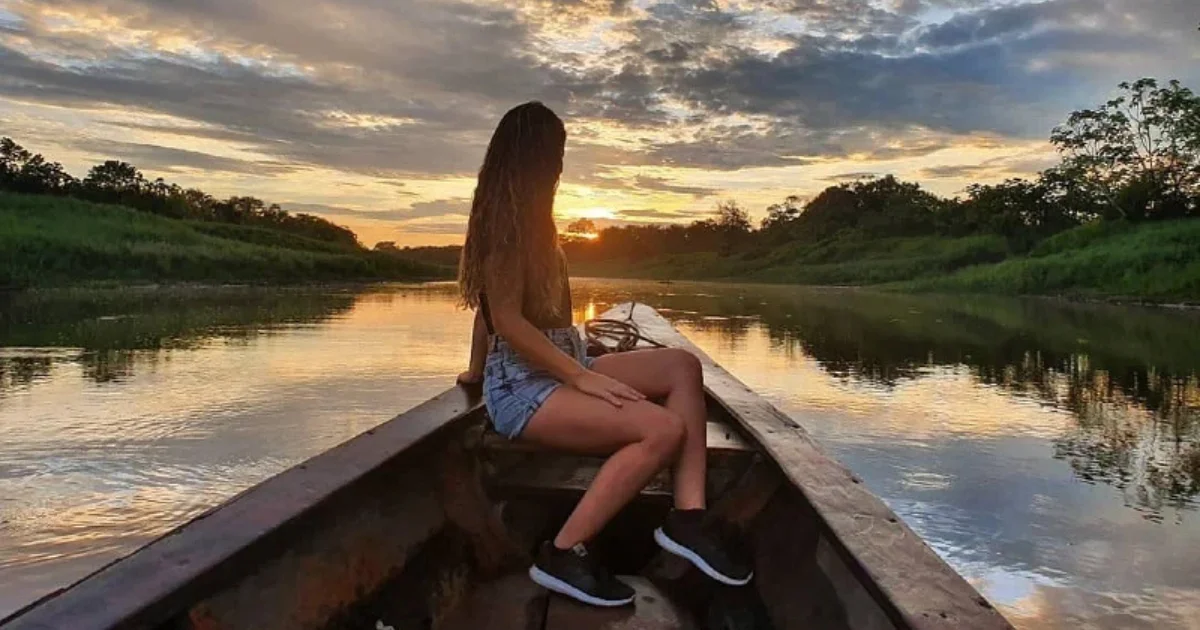
3 Day Amazon Jungle Experience Iquitos - Peru Bucket List

Tambopata should not be thought of as a single attraction.

It is a large protected rainforest landscape with different visitor sectors and experiences.


Sandoval Sector

The Sandoval sector is especially important for travelers interested in Lake Sandoval, rainforest walks and wildlife observation.

Its accessibility makes it particularly attractive to first-time Amazon visitors.


Middle Tambopata

The Medio Tambopata sector takes travelers farther into the rainforest and provides access to river and wildlife experiences.

The exact activities and journey depend heavily on the lodge, route, water conditions and itinerary.


Alto Tambopata

Alto Tambopata is associated with more remote rainforest experiences and important wildlife-viewing areas, including major clay licks such as Chuncho and Colorado.

Reaching more distant sectors generally requires considerably more travel time than visiting attractions close to Puerto Maldonado.

Best Things to Do in Puerto Maldonado & Tambopata

The best Puerto Maldonado experiences generally combine rainforest exploration, wildlife observation and river travel rather than conventional city sightseeing.


Explore Lake Sandoval

Lake Sandoval is one of the signature natural attractions accessible from Puerto Maldonado.

This Amazonian oxbow lake is surrounded by rainforest and is known for wildlife observation, particularly birds, monkeys, caimans and the possibility of seeing giant river otters.

A typical experience combines a rainforest walk with exploration of the lake by small boat or canoe.

Early morning can be particularly rewarding because wildlife activity and rainforest sounds often increase around dawn.

As everywhere in the Amazon, sightings vary from day to day.


Visit a Macaw or Parrot Clay Lick

One of Tambopata’s most distinctive wildlife experiences is observing parrots and macaws gathering around natural clay formations known locally as collpas.

Chuncho and Colorado are among the best-known clay licks in the Tambopata area.

Visits often begin very early in the morning and may require significant river travel depending on the lodge and location.

Weather and wildlife behavior affect what visitors see, so a clay lick visit should always be treated as a natural experience rather than a guaranteed spectacle.


Take a Rainforest Walk

Walking through the rainforest with a knowledgeable guide can reveal details that are easy to miss on your own.

Guides may point out medicinal plants, insects, birds, animal tracks, monkeys, amphibians and the complex relationships between species.

A rainforest walk is therefore not only about seeing large animals. It is about understanding the ecosystem.


Join a Night Walk

After sunset, the rainforest changes dramatically.

Night excursions may reveal frogs, insects, spiders, nocturnal birds and other animals that are less active during daylight.

For many travelers, simply experiencing the sounds of the Amazon after dark becomes one of the most memorable parts of the trip.


Explore the Rivers

Rivers are effectively the roads of the Amazon.

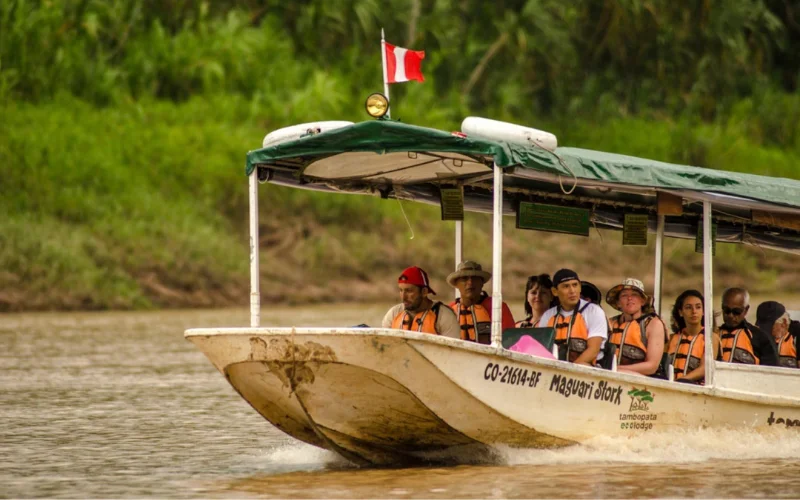
Boat journeys are often necessary for reaching jungle lodges and attractions, but they are also an experience themselves.

Travelers may observe birds, riverside vegetation and occasional wildlife while moving between Puerto Maldonado and more remote rainforest areas.


Experience the Rainforest Canopy

Some jungle lodges and reserves offer towers, elevated platforms or canopy experiences that allow travelers to observe the forest from above ground level.

These can provide a completely different perspective on rainforest vegetation and birdlife.

Availability varies by lodge.


Discover Local Amazonian Culture

A responsible Amazon trip should not focus exclusively on wildlife.

Madre de Dios is also home to communities with deep cultural relationships with the forest and rivers.

Where community-based tourism is offered responsibly, travelers can learn about local food, forest products, traditional knowledge and everyday life in the Amazon.

Wildlife Tours and Jungle Walks

Lago Sandoval

Clay Licks

Wildlife in Tambopata
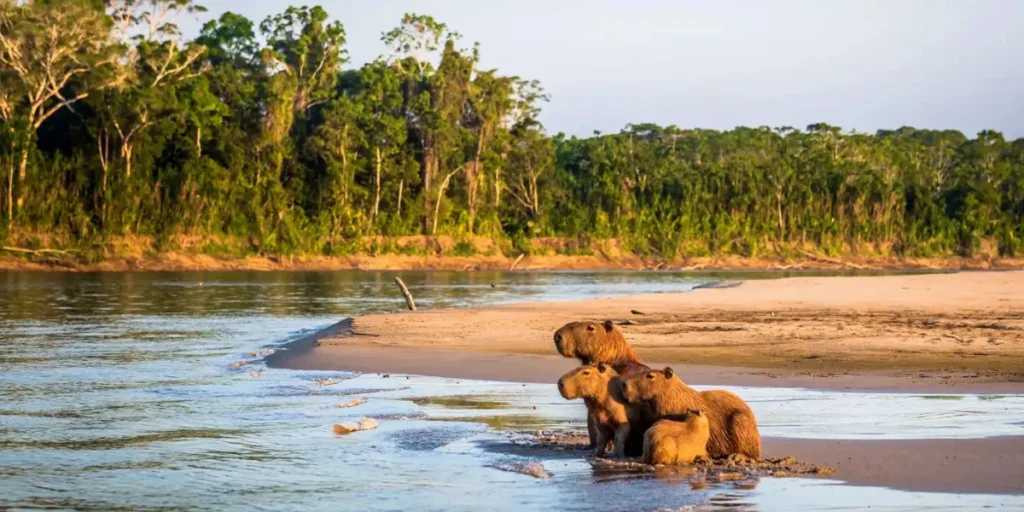
Tambopata’s biodiversity is one of the main reasons to visit.

SERNANP records extraordinary biological diversity in the reserve, including hundreds of bird species and a wide variety of mammals, reptiles, amphibians and butterflies.


Mammals

Depending on the area, season and luck, travelers may encounter:

  • monkeys;
  • giant river otters;
  • capybaras;
  • peccaries;
  • tapirs;
  • sloths;
  • ocelots.

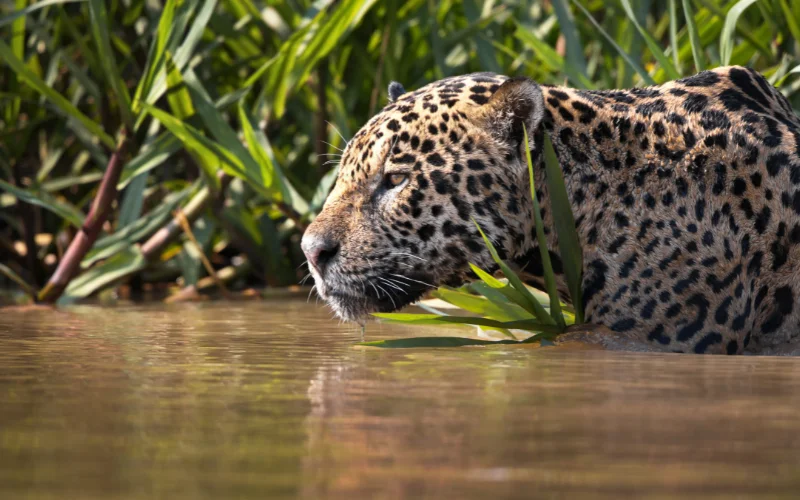
Jaguars also inhabit the region, although seeing one should be considered an exceptional wildlife encounter rather than an expectation.

Capybaras on the riverbank in the Amazon rainforest near Puerto Maldonado Peru


Birds

Tambopata is particularly attractive to birdwatchers.

Possible sightings include macaws, parrots, toucans, hoatzins, kingfishers and many other Amazonian species.

Travelers primarily interested in birds may benefit from choosing a lodge and itinerary specifically designed around birdwatching.


Reptiles, Amphibians & Insects

Caimans, frogs, lizards, butterflies and an extraordinary variety of insects form another major part of the rainforest ecosystem.

Night walks can be particularly interesting for observing smaller rainforest species.


What Wildlife Will You Actually See?

There is no fixed wildlife checklist.

Your experience depends on:

weather, water levels, location, time of day, season, length of stay and simple luck.

This is one reason spending more than one night in the rainforest can significantly improve the overall experience.

How Many Days Do You Need in Puerto Maldonado?
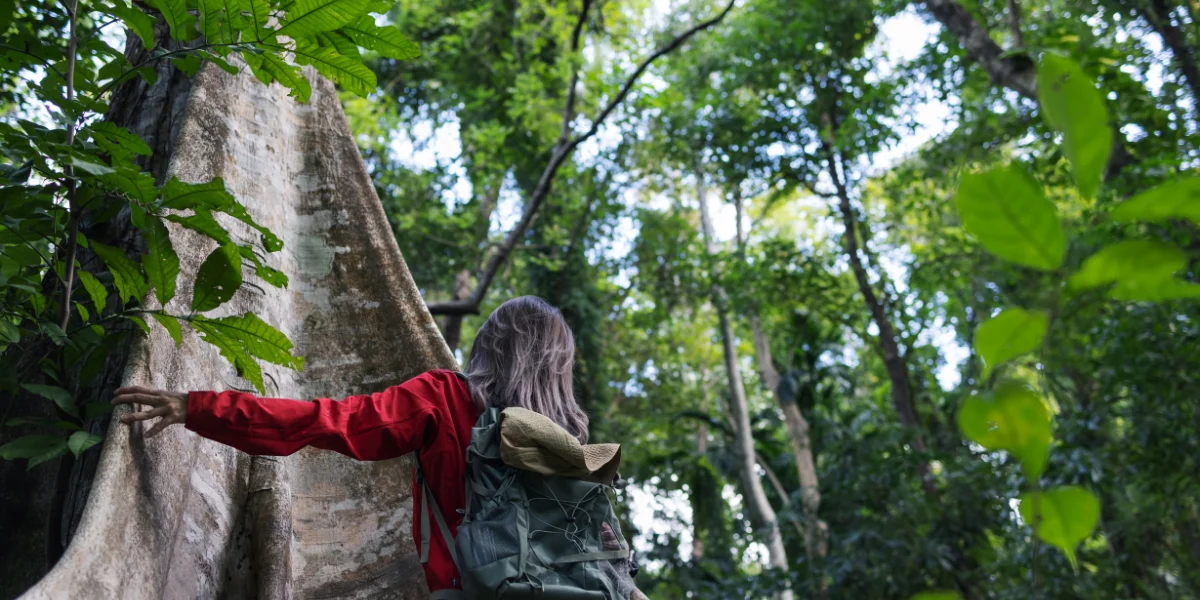
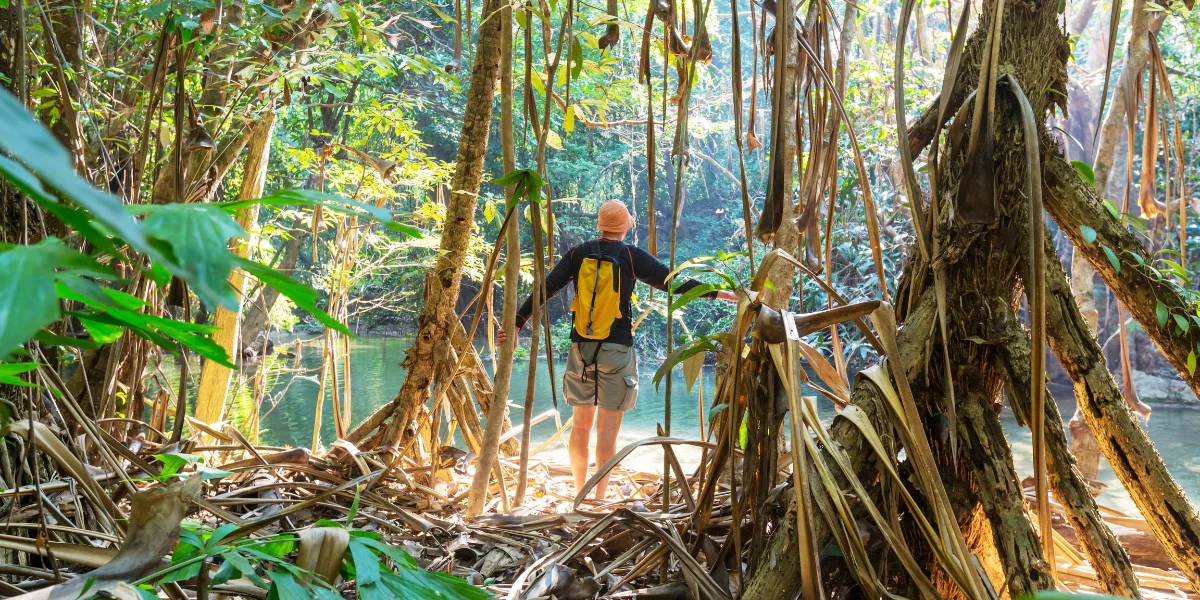
Traveler exploring the Amazon rainforest near Puerto Maldonado Peru

For most travelers, 3 to 4 days provides a good introduction to the Puerto Maldonado and Tambopata area, although the right amount of time depends on how deep into the rainforest you want to travel.

Internal link: How Many Days Do You Need in the Peruvian Amazon? → /how-many-days-amazon-peru/


2 Days / 1 Night

Best for travelers with very limited time.

You may experience a jungle lodge, short rainforest activities and a river journey, but the itinerary will feel compressed.


3 Days / 2 Nights

A good introduction for many first-time Amazon visitors.

It allows more time for a combination of activities such as rainforest walks, wildlife observation, river excursions and night activities.


4 Days / 3 Nights

Recommended for travelers who want a more immersive experience.

The additional time creates more opportunities for wildlife observation and allows the itinerary to operate at a less rushed pace.


5 Days or More

Consider a longer stay if your priorities include serious birdwatching, photography, remote areas, conservation-focused travel or simply spending more time immersed in the rainforest.

Puerto Maldonado & Tambopata Itineraries

The following examples help illustrate how different trip lengths can work. Exact activities vary by lodge and location.


2-Day Amazon Itinerary

  • Day 1: Arrive in Puerto Maldonado → transfer to jungle lodge → rainforest activity → evening or night excursion.
  • Day 2: Early wildlife activity → breakfast → return to Puerto Maldonado.

Best for travelers prioritizing time over depth.


3-Day Amazon Itinerary

  • Day 1: Arrival → lodge transfer → introductory rainforest activity → night walk.
  • Day 2: Full rainforest experience such as Lake Sandoval, wildlife observation or another lodge-specific excursion.
  • Day 3: Early morning activity → return to Puerto Maldonado.

This is one of the most practical formats for first-time visitors.


4-Day Amazon Itinerary

  • Day 1: Arrival and lodge transfer.
  • Day 2: Major wildlife or lake excursion.
  • Day 3: Additional rainforest experience, clay lick, river activity or canopy experience.
  • Day 4: Morning activity and return.

Four days gives you more flexibility if weather affects one of the planned excursions.


H3 — Cusco, Machu Picchu & Puerto Maldonado

One of the strongest Peru itinerary combinations is:

Cusco → Sacred Valley → Machu Picchu → Puerto Maldonado → Tambopata

The contrast is remarkable: Andean landscapes and Inca heritage followed by lowland Amazon rainforest.

Machu Picchu & Amazon Distance Guide →

Best Time to Visit Puerto Maldonado

Traveler exploring the Amazon rainforest in Peru

Puerto Maldonado has a tropical climate, so heat, humidity and rain should be expected throughout the year.

There is no completely rain-free Amazon season.


May to October

This period generally corresponds with lower rainfall and is often considered one of the most practical times for visiting Tambopata.

Trails may be easier to navigate and conditions can be more predictable.

However, rainfall remains possible.


December to March

These are generally wetter months.

Heavier rainfall can influence trails, river conditions and the daily activity schedule, but the rainforest remains active and intensely green.

Rain does not automatically make this a bad time to visit.


April & November

These months can act as transitional periods between broader seasonal patterns.

Because tropical weather is variable, travelers should prepare for both sunshine and rain regardless of the month.


Best Time for Wildlife

There is no single month that guarantees better wildlife sightings.

Different species behave differently according to rainfall, fruiting cycles, water levels and other ecological factors.

If wildlife is your priority, location, quality of guiding and length of stay can matter as much as the month you travel.

Read our blog:  Best Time to Visit Peru → 

How to Get to Puerto Maldonado

Puerto Maldonado is relatively accessible compared with more remote parts of the Peruvian Amazon.


From Lima

Flying is the most practical option for most international travelers coming from Lima.

Schedules and routes change, so travelers should verify current airline options before booking.

Read our Lima Travel Guide →


From Cusco

Puerto Maldonado can be reached from Cusco by air or road.

Flying is considerably faster, while traveling overland allows visitors to experience the dramatic transition from the Andes toward the Amazon basin.

Read our Cusco Travel Guide →


By Bus

Long-distance buses connect Puerto Maldonado with other southern Peruvian cities.

Travel times can be substantial and road conditions may be affected by weather, so schedules should be checked directly with transportation providers.


Puerto Maldonado Airport

Padre Aldamiz International Airport is the main airport serving Puerto Maldonado.

Many jungle lodge programs arrange pickup from the airport or from designated locations in Puerto Maldonado.

Always confirm transfer arrangements with your operator before arrival.

How Do You Get from Puerto Maldonado to Tambopata?

This is where many first-time visitors become confused.

Arriving in Puerto Maldonado does not necessarily mean you have arrived at your final Amazon accommodation.

A typical journey may look like:

Puerto Maldonado Airport → lodge office or meeting point → road transfer → river port → boat journey → jungle lodge

The exact process depends entirely on where your lodge is located.

More remote does not automatically mean better. A lodge closer to Puerto Maldonado may be ideal for a short trip, while travelers prioritizing wildlife and deeper immersion may prefer a more distant location.

Where to Stay in Puerto Maldonado & Tambopata
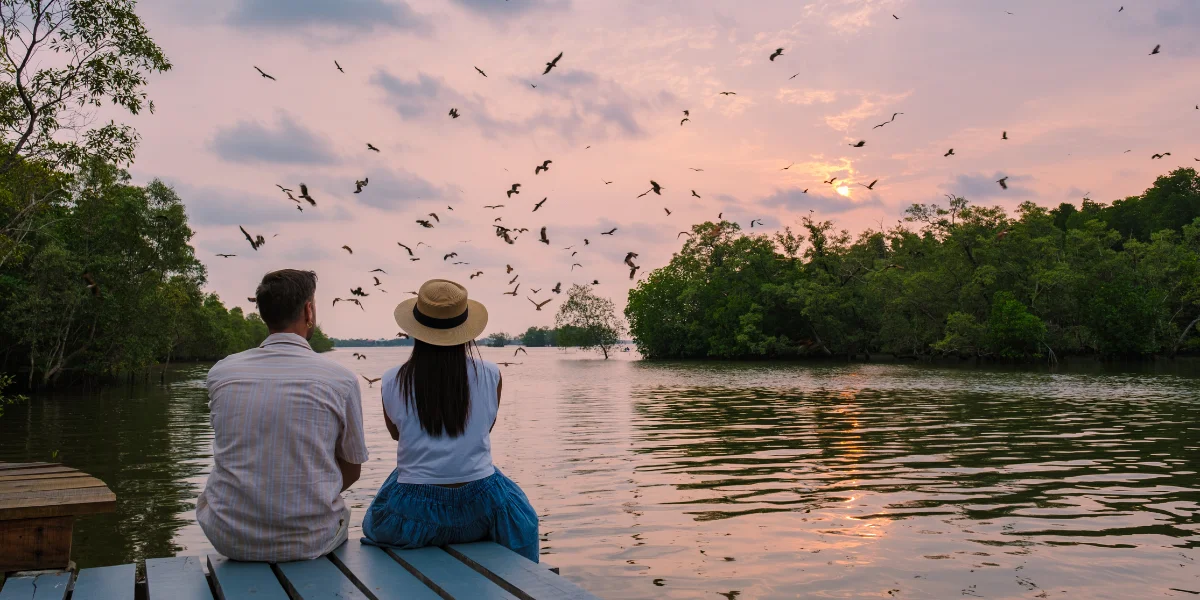
3 Day Amazon Jungle Experience Iquitos - Peru Bucket List

The most important decision is not simply which hotel to choose.

It is deciding whether to stay in Puerto Maldonado city or in the rainforest.


Staying in Puerto Maldonado

Staying in the city can make sense:

  • before an early flight;
  • after returning from a lodge;
  • during a short stopover;
  • when organizing onward transportation.

However, staying exclusively in town does not provide the same rainforest experience as staying at a jungle lodge.


Staying at a Jungle Lodge

For most leisure travelers, a jungle lodge is the heart of the Amazon experience.

Depending on the property, a stay may include:

  • accommodation;
  • meals;
  • transportation;
  • guided excursions;
  • river transfers;
  • wildlife activities.

Always check exactly what is included.


How to Choose a Jungle Lodge

Consider:

  • Location — How far into the rainforest is it?
  • Transfer time — How long will you spend reaching the lodge?
  • Activities — Lake, clay lick, canopy, trails, birdwatching?
  • Group size — Private or shared excursions?
  • Comfort — Rustic, mid-range or premium?
  • Electricity — Continuous or limited?
  • Internet — Available, limited or intentionally absent?
  • Family suitability — Minimum ages and activity restrictions?
  • Wildlife focus — General Amazon introduction or specialized nature experience?

Do not choose a lodge based only on room photos.

Its location and activity program can have a much greater impact on your Amazon experience.

Puerto Maldonado for Different Types of Travelers
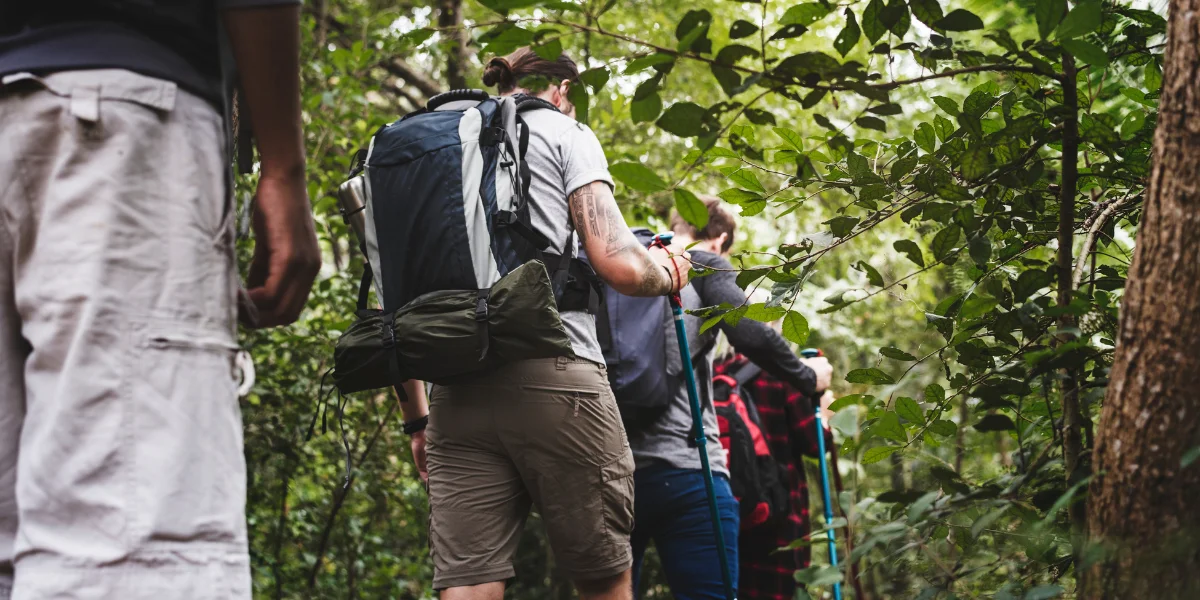
Travelers hiking through the Amazon rainforest near Puerto Maldonado Peru

First-Time Amazon Travelers

Puerto Maldonado is an excellent introduction to the Peruvian Amazon because it combines relatively straightforward access with genuine rainforest experiences.

A 3- or 4-day lodge program is often a good starting point.


Families

Families can enjoy Puerto Maldonado, but lodge selection matters.

Consider:

  • travel times;
  • child age restrictions;
  • heat and humidity;
  • boat journeys;
  • night activities;
  • walking distances;
  • medical considerations.

Ask the lodge about minimum ages before booking specific activities.


Birdwatchers

Tambopata is particularly attractive for birding.

Choose a lodge based on habitat, access to clay licks, specialized guides and early-morning excursions rather than simply proximity to Puerto Maldonado.


Wildlife Photographers

Longer stays generally provide more opportunities.

Consider camera protection against humidity and rain, charging availability, luggage restrictions and whether the lodge caters specifically to photographers.


Adventure Travelers

Kayaking, canopy activities, longer rainforest walks and remote lodge stays can add a stronger adventure component.

Available activities vary considerably between operators.

What to Pack for Puerto Maldonado

Packing for the Amazon is different from packing for Cusco or Machu Picchu.

Useful items include:

lightweight breathable clothing;
long-sleeved shirts;
lightweight long trousers;
rain jacket or poncho;
comfortable walking shoes;
sandals or casual footwear;
insect repellent;
sunscreen;
hat;
reusable water bottle;
small daypack;
binoculars;
flashlight or headlamp;
dry bags or waterproof protection;
personal medication.

Your lodge may provide rubber boots for muddy trails. Confirm before packing your own.

Health & Safety in Puerto Maldonado

Amazon travel requires some additional preparation because of heat, humidity, insects and distance from major medical facilities.

Travelers should consider consulting a qualified healthcare professional before traveling to discuss individual vaccination, medication and health requirements.

Use insect repellent, stay hydrated, protect yourself from the sun and follow your guide’s instructions during rainforest excursions.

Travel insurance that covers your planned activities is also worth considering.

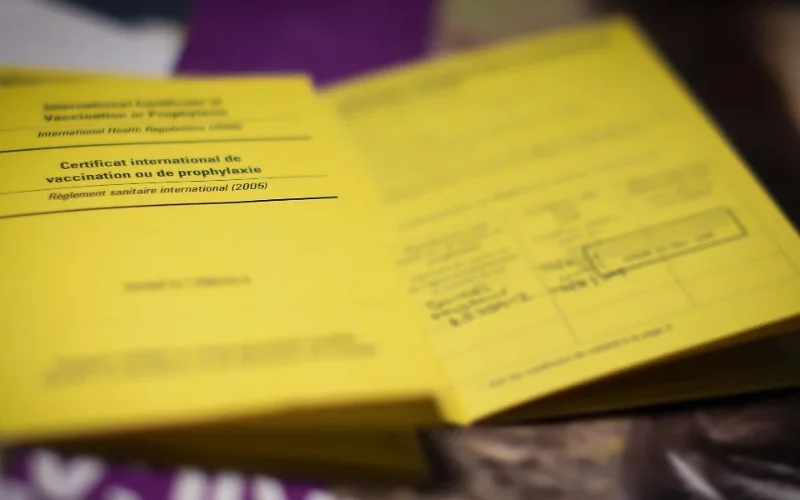
Internal link: Peru Amazon Vaccines Guide → /peru-amazon-vaccines-guide/

Responsible Travel in Tambopata

The Amazon is an extraordinary ecosystem, but tourism must be managed responsibly.

SERNANP recommends following established routes, respecting ranger instructions, avoiding disturbance to wildlife and reducing waste and single-use plastics.

During your visit:

  • never feed wild animals;
  • never touch wildlife;
  • keep a respectful distance;
  • stay on authorized trails;
  • follow guides and park rangers;
  • avoid loud noises around wildlife;
  • do not remove plants, seeds or animals;
  • avoid leaving waste;
  • reduce single-use plastics;
  • respect local communities;
  • choose responsible operators.

A good Amazon experience should contribute to conservation rather than interfere with the ecosystem.

Practical Puerto Maldonado Travel Tips

Expect humidity. Electronics, clothing and camera equipment can all be affected.

Expect rain. Even during months commonly described as the dry season.

Start early. Many wildlife experiences are best around dawn.

Do not overpack. Some boat transfers have luggage limitations.

Bring binoculars. They can dramatically improve wildlife viewing.

Protect electronics. Waterproof bags are useful.

Follow your guide. Rainforest environments require local knowledge.

Allow flexibility. Weather and wildlife can change an itinerary.

Most importantly, do not measure the quality of your Amazon trip by how many large animals you photograph. The rainforest itself is the experience.

Plan Your Puerto Maldonado Trip

Puerto Maldonado works particularly well as part of a broader Peru itinerary.
Continue planning with these PBL guides:
Frequently Asked Questions About Puerto Maldonado

Is Puerto Maldonado worth visiting?

Yes, particularly if you want to experience the lowland Peruvian Amazon and combine it with destinations such as Cusco and Machu Picchu. Puerto Maldonado provides access to Tambopata, rainforest lodges, Lake Sandoval and wildlife experiences.

How many days do you need in Puerto Maldonado?

Three to four days works well for many first-time visitors. Two days is possible but limited, while longer stays are useful for wildlife enthusiasts, photographers and birdwatchers.

Is Puerto Maldonado the same as Tambopata?

No. Puerto Maldonado is a city and regional gateway. Tambopata National Reserve is a protected natural area accessible from the region.

What is Puerto Maldonado famous for?

Puerto Maldonado is best known as a gateway to the southeastern Peruvian Amazon, particularly Tambopata, Lake Sandoval, jungle lodges, wildlife experiences and macaw clay licks.

Can you see jaguars in Tambopata?

Jaguars inhabit the region, but sightings are uncommon and cannot be guaranteed. Travelers should choose Tambopata for the overall biodiversity and rainforest experience rather than expecting to see one particular animal.

Can you see giant river otters at Lake Sandoval?

Giant river otters inhabit the area and Lake Sandoval is known as an important wildlife-viewing location. However, sightings depend on wildlife behavior and environmental conditions and are never guaranteed.

What is the best time to visit Puerto Maldonado?

May through October generally has lower rainfall, but Puerto Maldonado has a tropical climate and rain is possible throughout the year. The wetter months can also offer rewarding rainforest experiences.

Should I stay in Puerto Maldonado or a jungle lodge?

If your priority is experiencing the Amazon rainforest, a jungle lodge is generally the better choice. Staying in Puerto Maldonado itself is more useful before or after your rainforest program or for logistical reasons.

Can I combine Puerto Maldonado with Machu Picchu?

Yes. Cusco, Machu Picchu and Puerto Maldonado make an excellent combined itinerary because travelers can experience both the Andes and the Amazon during the same trip.

Machu Picchu & Amazon Distance Guide →

Is Puerto Maldonado suitable for children?

It can be, but suitability depends on the child’s age, lodge location and activities. Families should check transfer times, minimum age restrictions, walking distances and safety requirements directly with the lodge before booking.

Do I need vaccinations for Puerto Maldonado?

Health recommendations depend on factors such as your medical history, itinerary and country of residence. Consult a qualified healthcare professional or official travel-health authority before your trip rather than relying solely on general online advice.

Peru Amazon Vaccines Guide →

Ready to Discover Puerto Maldonado?

Experience the Peruvian Amazon

From the wildlife-rich forests of Tambopata to Lake Sandoval, jungle lodges and unforgettable river journeys, Puerto Maldonado opens the door to one of Peru’s most extraordinary natural environments.

Explore the rainforest with Peru Bucket List and find the Amazon experience that fits your journey.

Ways to Experience Puerto Maldonado & the Amazon
Loading...