

Sacred Valley Peru
Sacred Valley Peru Travel Guide
The Sacred Valley of the Incas is one of the most rewarding regions to explore near Cusco, Peru. Stretching along the Urubamba River, this Andean valley combines remarkable Inca archaeological sites, traditional villages, agricultural terraces, mountain scenery and communities that continue to preserve local cultural traditions.
The best-known places include Pisac, Ollantaytambo, Chinchero, Maras and Moray. Each offers a different experience, from exploring monumental stonework and traditional markets to discovering salt pans, circular agricultural terraces and textile traditions.
The Sacred Valley is also an important part of many journeys to Machu Picchu. Some travelers visit on a day trip from Cusco, while others spend two or three nights in the valley to explore at a more relaxed pace before continuing by train.
This Sacred Valley Peru travel guide explains the best places to visit, how to organize your route, how many days you need, transportation options, where to stay and how to connect the valley with Machu Picchu.
Read also our: Cusco travel guide
Sacred Valley at a Glance
📍 Location: Cusco Region, southern Peru
🏞️ Main river: Urubamba River, also known as the Vilcanota in parts of its course
🏛️ Main destinations: Pisac, Urubamba, Ollantaytambo, Chinchero, Maras and Moray
✨ Best-known experiences: Inca archaeological sites, traditional markets, salt pans, agricultural terraces, textile workshops and mountain landscapes
🗓️ Recommended stay: Two to four days for a varied visit
✈️ Main gateway: Cusco
🚆 Best onward connection to Machu Picchu: Usually through Ollantaytambo for train services, depending on the selected ticket and operating schedule
The Sacred Valley is not a single archaeological site or one town. It is a wider region containing several settlements and attractions spread across different roads and elevations.
Your ideal itinerary depends on how much time you have, where you plan to sleep and whether your next destination is Machu Picchu.
Why Visit the Sacred Valley?
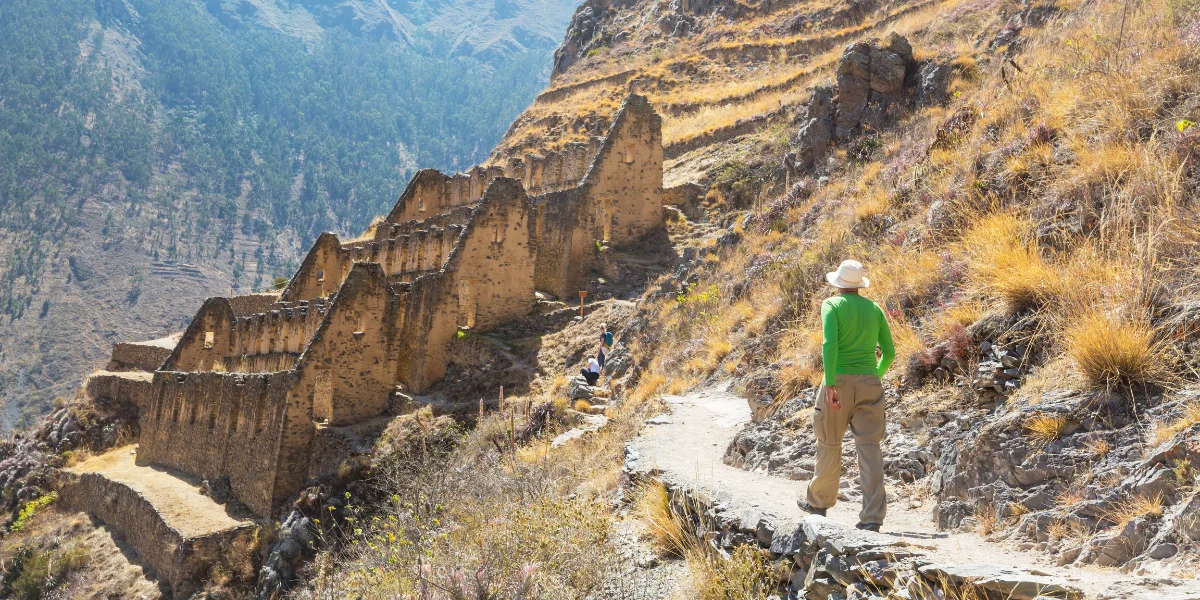
The Sacred Valley offers a different experience from staying exclusively in Cusco. Its towns, farmland and archaeological complexes reveal how the Incas used the landscape and how Andean communities continue to live and work in the region.
Discover Inca Archaeology
Pisac and Ollantaytambo are among the valley’s most important archaeological attractions. Their terraces, ceremonial areas, stone structures and strategic locations offer insight into Inca engineering and settlement planning.
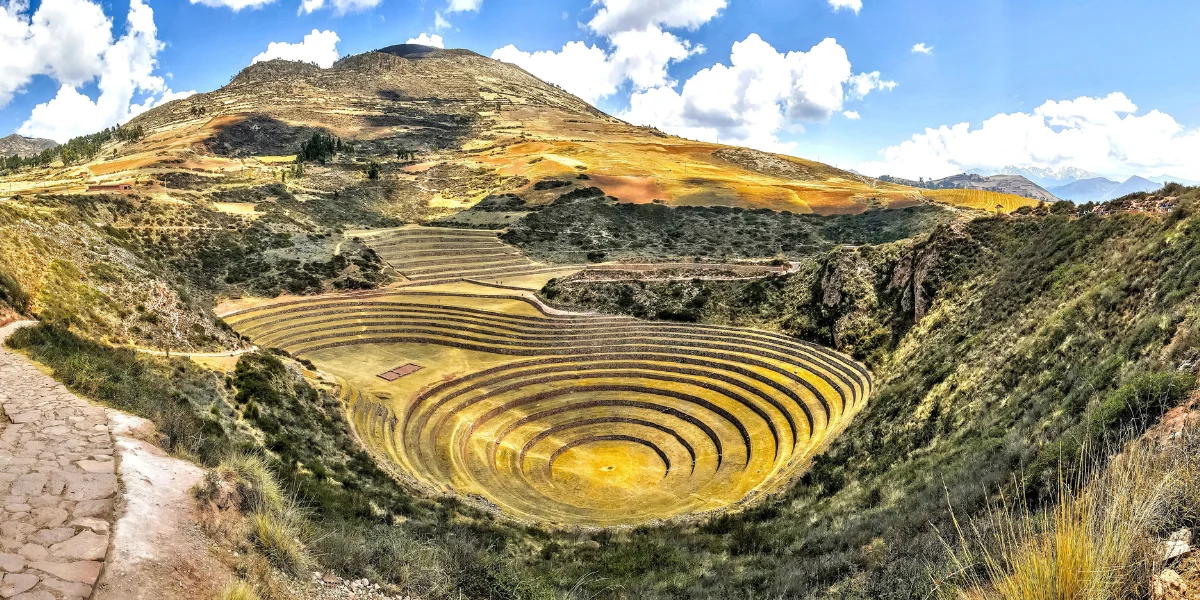
Moray provides another perspective through its circular agricultural terraces, while Chinchero combines archaeological remains with a living Andean community.
Experience Traditional Andean Villages
The valley includes towns and communities where traditional weaving, agriculture, food and local markets remain part of everyday life.
Chinchero is particularly known for textile traditions, while Pisac is popular for its market and archaeological complex. Visiting respectfully and buying directly from artisans when possible can help support local livelihoods.
Enjoy the Landscapes and Slower Pace
Compared with a tightly scheduled sightseeing day in Cusco, staying in the valley allows more time for mountain views, village walks, local restaurants and quieter mornings.
Urubamba and nearby communities offer accommodation options for travelers who prefer a rural setting rather than staying in a large city.
Prepare for Machu Picchu
Ollantaytambo is a useful base for travelers continuing to Machu Picchu by train when their chosen service departs from its station.
Staying overnight can reduce the pressure of an early transfer from Cusco and gives you time to explore the town itself.
Best Places to Visit in the Sacred Valley
The best Sacred Valley itinerary combines places that make geographical sense. The main attractions are spread across the region, so it is important to account for road travel, walking time and the time needed to explore each site.
Pisac: Inca Ruins and Traditional Market
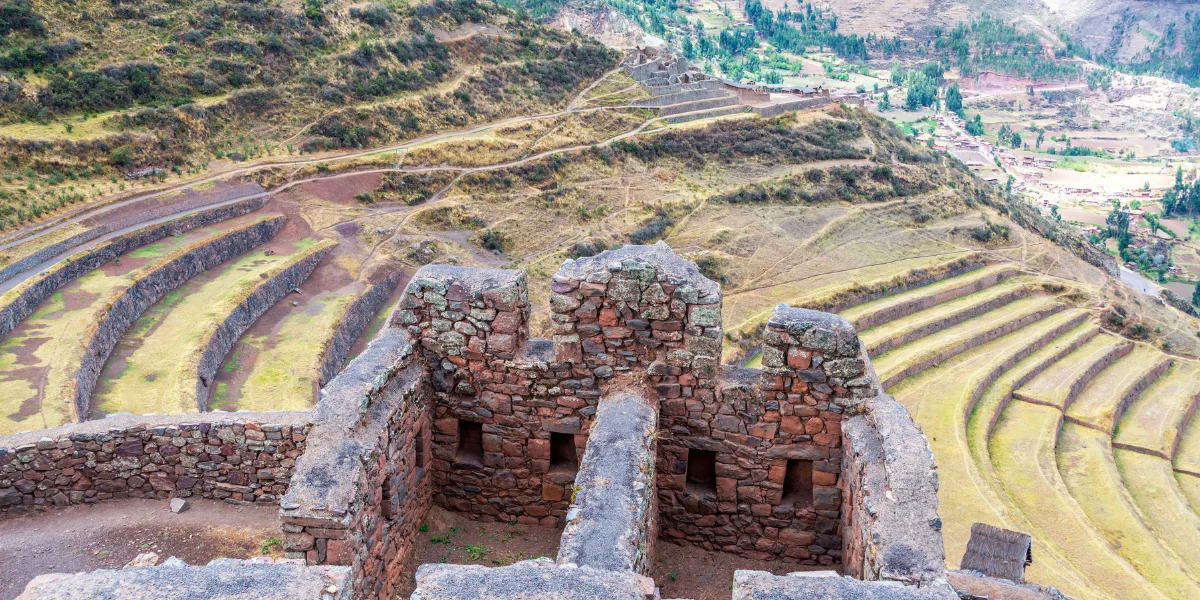
Pisac is known for its extensive archaeological complex above the town and its popular market.
The archaeological site includes agricultural terraces, ceremonial structures, stonework and paths across the mountainside. It is much larger than a single viewpoint and deserves enough time for a proper visit.
The town below offers market stalls, handicrafts and places to eat.
Best for: First-time visitors, archaeology enthusiasts, photographers and travelers interested in local crafts.
Planning tip: If visiting both the ruins and the town, plan for separate time blocks. Transport to the archaeological entrance and the walking route you choose will affect how long the visit takes.
Ollantaytambo: Inca Architecture and a Living Town
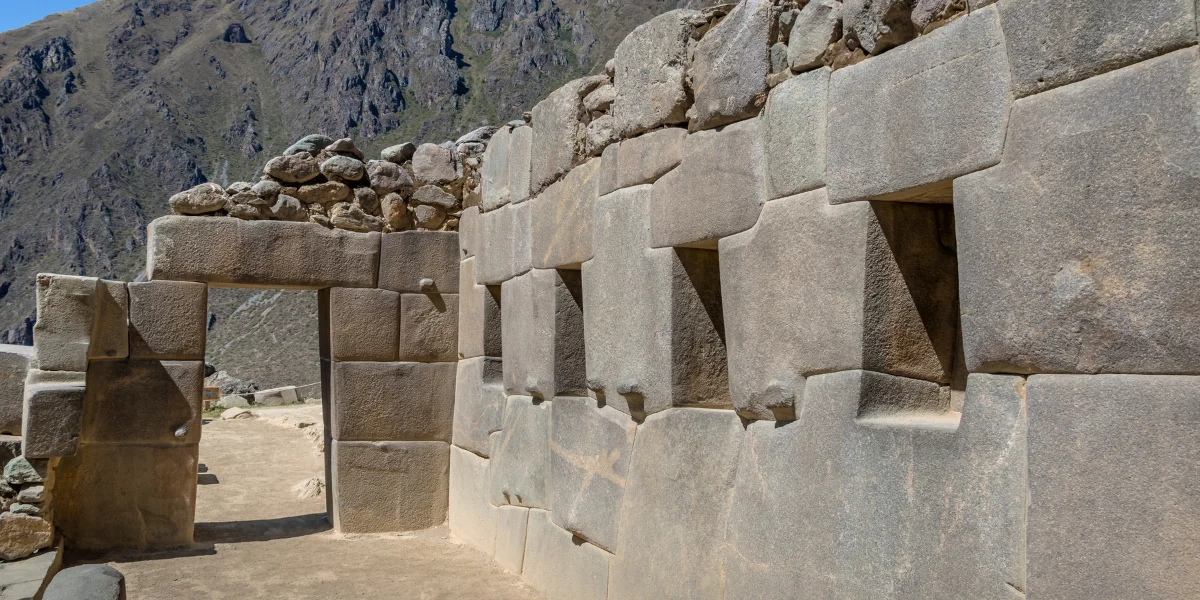
Ollantaytambo combines an important archaeological complex with a historic town whose streets and water channels reflect its Inca urban heritage.
The archaeological site is known for its terraces, stone architecture and monumental ceremonial areas. The town is also rewarding to explore on foot, especially when day visitors have departed.
Ollantaytambo is one of the most practical places to stay if you are continuing to Machu Picchu by train from its station.
Best for: History lovers, travelers continuing to Machu Picchu, photographers and visitors who want to experience an Andean town after the day trips end.
Planning tip: Confirm the departure station printed on your train ticket. Do not assume every train service leaves from the same station or that the station is in Cusco itself.
Maras Salt Mines: Salineras de Maras
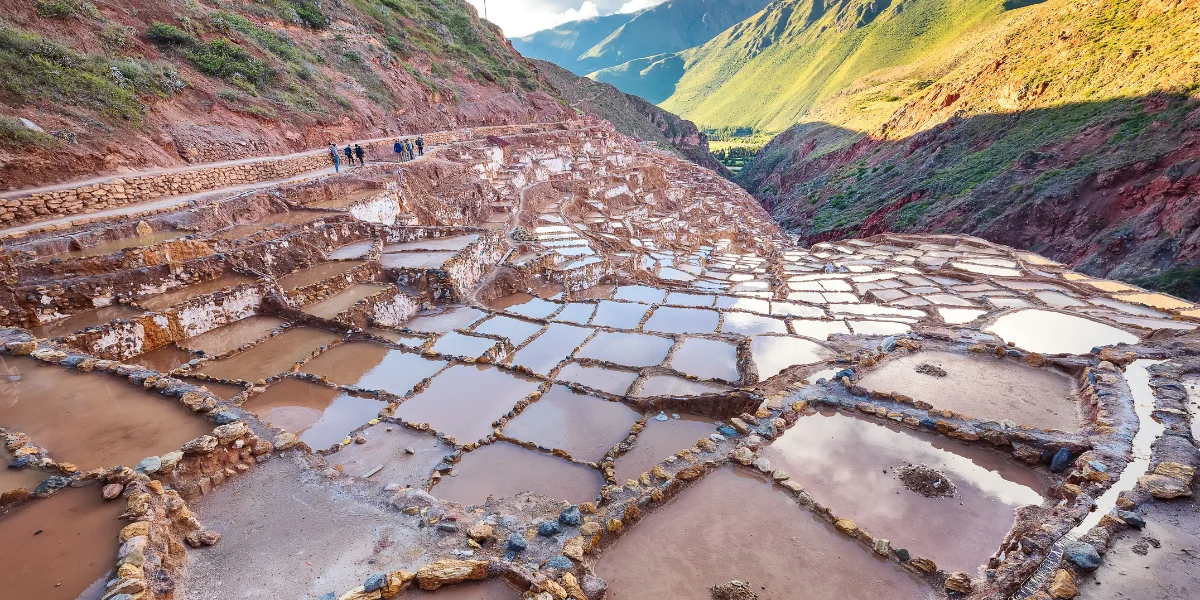
The Maras salt pans consist of thousands of small evaporation pools arranged along a hillside. Water from a naturally salty spring flows into the pools, where evaporation allows salt to be collected.
The salt pans remain part of a working landscape associated with local families and traditional production.
Visitors can admire the geometry of the pools, learn about salt production and purchase products from local sellers where available.
Best for: Photography, cultural experiences and travelers interested in traditional production methods.
Planning tip: Access arrangements and visitor rules may change. Check current conditions and follow designated paths. The salt pans have separate admission arrangements and should not automatically be assumed to be included in the Cusco Tourist Ticket.
Moray: Circular Inca Agricultural Terraces
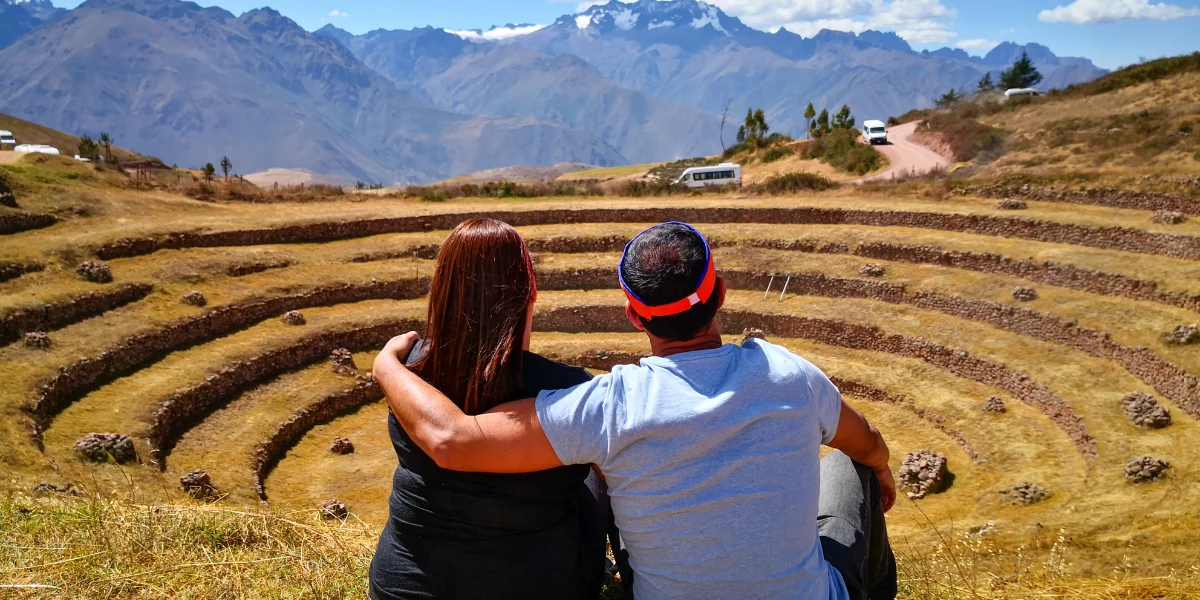
Moray is an archaeological complex famous for its concentric circular terraces descending into the landscape.
The terraces create different environmental conditions across their levels. Their precise historical uses are still interpreted through archaeological research, so it is better to describe the site as an important Inca agricultural landscape than to state definitively that it was a laboratory.
Moray is commonly combined with Maras because the two attractions can be visited in the same general outing.
Best for: Archaeology enthusiasts, photographers and travelers interested in Inca agricultural knowledge.
Chinchero: Textiles, Traditions and Andean Landscapes
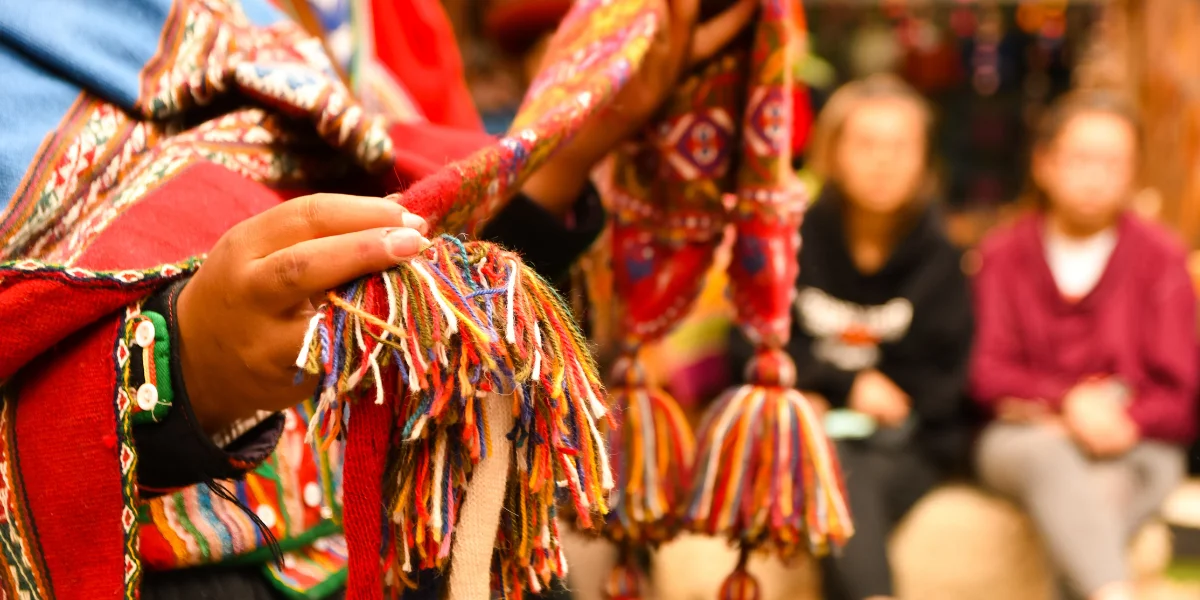
Chinchero is a highland town known for its weaving traditions, archaeological remains, agricultural surroundings and views of the mountains.
A visit may include a traditional textile demonstration, time in the village and exploration of the archaeological area, depending on opening arrangements and the itinerary.
Best for: Cultural travelers, families, photographers and visitors interested in traditional crafts.
Planning tip: Chinchero is at a relatively high elevation. Walk at a comfortable pace and ask permission before photographing artisans or community members.
Urubamba: The Valley’s Practical Base
Urubamba is centrally located in the Sacred Valley and offers accommodation, restaurants and road connections to several attractions.
It is a practical base for travelers who want to explore the valley over multiple days without changing hotels every night.
Urubamba is also useful for arranging excursions to Maras and Moray, visiting nearby communities and enjoying a slower pace between major archaeological visits.
Best for: Multi-day visitors, families, couples and travelers who prefer a central accommodation base.
Yucay and Nearby Communities
Yucay and other nearby settlements offer quieter alternatives to the busier tourist centers. Depending on your accommodation and interests, you can enjoy gardens, rural scenery, local food and a more relaxed atmosphere.
These areas can be especially appealing if you want to spend several nights in the valley rather than treating it as a quick stop between Cusco and Machu Picchu.
Additional Places and Experiences
Depending on your available time, you may also consider local weaving workshops, agricultural experiences, scenic walks and other community-based activities.
Choose additional stops based on the route and the time required to enjoy them. Adding more destinations is not always better if it means rushing through the main sites.
How Many Days Do You Need in the Sacred Valley?
The right length of stay depends on your interests, travel pace and plans for Machu Picchu.
One Day in the Sacred Valley
One day is possible if you have limited time, but you will need to prioritize.
A classic day trip may combine Pisac and Ollantaytambo, or focus on Maras and Moray with other stops depending on the route. Trying to visit every major attraction in one day can leave little time to explore properly.
Best for: Travelers with a tight schedule who want an introduction to the valley.
Two Days in the Sacred Valley
Two days allow a more balanced visit.
You could explore Pisac and its town on the first day, then visit Ollantaytambo or combine Maras and Moray on the second day.
This approach gives you more flexibility for transport, meals and walking time.
Best for: First-time visitors who want to see several major attractions without rushing as much.
Three Days in the Sacred Valley
Three days are a strong choice for travelers who want to experience the region more deeply.
You can dedicate time to Pisac, explore Maras and Moray, visit Chinchero and spend time in Ollantaytambo. You may also include a textile workshop or a slower morning in Urubamba.
Best for: Travelers interested in archaeology, culture and a more relaxed pace.
Four to Five Days in the Sacred Valley
A longer stay creates room for additional hikes, rural experiences, cooking or textile workshops and time in smaller communities.
It can also work well if you want to stay in different parts of the valley or use Ollantaytambo as a base before traveling to Machu Picchu.
Best for: Slow travelers, photographers, families and visitors who prefer not to change accommodation frequently.
Sacred Valley Itineraries: Best Routes
The most useful way to plan the Sacred Valley is by grouping attractions geographically and deciding where you will sleep each night.
These routes are planning suggestions, not fixed transport timetables. Actual journey times depend on road conditions, traffic, stops and your departure point.
Route 1: One-Day Sacred Valley Highlights
Suggested route: Cusco → Pisac → Urubamba area → Ollantaytambo → Cusco or onward connection.
This route gives you an introduction to two of the valley’s major archaeological destinations. It is a long day and should be planned carefully, especially if you want to explore both archaeological sites in depth.
If your next destination is Machu Picchu, consider ending the day in Ollantaytambo rather than returning to Cusco, provided your transport and accommodation arrangements support that plan.
Route 2: Two-Day Sacred Valley Itinerary
Day 1: Travel from Cusco to Pisac. Explore the archaeological complex and town, then continue to Urubamba or another suitable base.
Day 2: Visit Ollantaytambo and explore its archaeological complex and historic streets. Continue to your next destination or stay overnight if you have a train the following day.
This route prioritizes two major sites and leaves Maras, Moray and Chinchero for a future visit or a separate excursion.
Route 3: Maras, Moray and Chinchero
Suggested route: Cusco or Urubamba → Chinchero → Moray → Maras salt pans → return to your accommodation.
The order can be adjusted depending on where you stay and your transport arrangements. Chinchero sits at a higher elevation, while Maras and Moray are commonly combined in a dedicated outing.
This route works well for travelers who are particularly interested in textiles, landscapes and traditional salt production.
Route 4: Three-Day Sacred Valley Experience
Day 1: Arrive from Cusco and explore Pisac, including the archaeological complex and town.
Day 2: Visit Chinchero, Moray and the Maras salt pans, adjusting the order to fit transport and opening arrangements.
Day 3: Explore Ollantaytambo, then either return to Cusco or continue toward Machu Picchu if your train and accommodation are arranged.
This itinerary covers the principal attractions while giving each day a clearer geographical focus.
Route 5: Sacred Valley Before Machu Picchu
Day 1: Travel from Cusco to the valley and visit selected attractions on the way, depending on your transport and schedule.
Day 2: Explore Ollantaytambo and stay overnight nearby.
Day 3: Take your booked train toward Aguas Calientes, following the departure station and timing on your ticket.
This arrangement can reduce the pressure of reaching a train station from Cusco on the same morning. It also gives you an opportunity to explore Ollantaytambo itself.
Read our blog: How to get to Machu Picchu
How to Get to the Sacred Valley
Most travelers reach the Sacred Valley through Cusco. From there, roads connect the city with Pisac, Urubamba, Chinchero, Maras and Ollantaytambo.
From Cusco to the Sacred Valley
The best route depends on which town you want to visit first.
Pisac is generally approached along the eastern side of the valley, while Chinchero lies on the route connecting Cusco with parts of the western valley. Travel to Ollantaytambo may follow different roads depending on the route and stops.
Do not rely on a single journey-time estimate for the entire valley. Travel time varies substantially by destination and traffic.
By Private Car or Organized Tour
A private vehicle offers the most flexibility if you want to combine several attractions or finish in a different town from where you started.
An organized tour can simplify transport and guide arrangements, particularly if you want to visit multiple archaeological sites in one day.
Before booking, confirm the route, stops, total duration, guide services, entrance fees and final drop-off location.
By Shared Minivan or Local Transport
Shared minivans and local transport can be useful for independent travelers moving between major towns. Routes, departure points and frequencies vary, and some attractions require a separate taxi or local transfer from the nearest town.
Ask locally about the current departure point and final destination. Leave additional time if you have a train, flight or guided excursion booked afterward.
By Train from Ollantaytambo
Ollantaytambo is an important departure point for many train journeys to Machu Picchu.
The train does not replace transport planning within the Sacred Valley. You still need to reach the correct station at the required time and confirm the baggage rules, departure details and onward arrangements.
Internal link: Link Inca Rail vs PeruRail to the dedicated comparison article if it has been published. Do not create a link to a nonexistent page.
How to Get Around the Sacred Valley
The Sacred Valley covers a broad area, and not every attraction is directly connected by convenient public transport.
Private Driver
A private driver is useful if you want to visit several attractions, customize your route or travel with luggage.
Agree on the itinerary, stops, waiting time, price and final destination before starting the journey.
Organized Day Tours
Organized tours can be practical for visiting sites that are spread across different roads and towns. Compare the number of stops and the time allocated to each place rather than choosing solely by the number of attractions advertised.
A shorter itinerary with more time at each stop may provide a better experience than a rushed circuit.
Local Public Transport
Local buses and shared minivans can help connect the main towns, but they are less convenient for reaching every archaeological entrance or rural attraction directly.
Independent travelers should verify current routes and allow extra time for transfers.
Walking and Hiking
Walking is one of the best ways to explore the historic streets and landscapes of the valley. However, archaeological complexes can involve uneven surfaces, steps and uphill sections.
Wear appropriate footwear, follow marked routes and adjust your pace to the altitude.
Where to Stay in the Sacred Valley
Choosing a base is one of the most important decisions when planning your visit. The best location depends on which attractions you want to see and where you will travel next.
Urubamba: Best for a Central Base
Urubamba is a practical option for multi-day visits because it provides accommodation, restaurants and road access to several valley attractions.
It works well for travelers who want to explore different parts of the valley without changing hotels every night.
Ollantaytambo: Best Before Machu Picchu
Ollantaytambo is a strong choice if you want to explore the archaeological complex and historic town or take a train toward Machu Picchu.
Staying overnight can reduce early-morning transfer pressure and provide more time to enjoy the town after day visitors leave.
Pisac: Best for the Eastern Valley
Pisac is a convenient base for exploring its archaeological complex, town and market, as well as parts of the eastern valley.
It can be particularly appealing to travelers who prefer a smaller-town atmosphere.
Chinchero and Rural Stays
Chinchero and nearby communities may appeal to travelers interested in textiles, rural landscapes and quieter accommodation.
Check the location carefully because some properties require additional transfers to reach restaurants, transport or major attractions.
How to Choose Your Base
Choose accommodation according to your route rather than selecting a hotel first and trying to fit every attraction around it.
Consider the following:
- Which archaeological sites you want to visit.
- Whether you will travel to Machu Picchu by train.
- How much luggage you will carry.
- Whether you prefer restaurants and services within walking distance.
- Whether you want a quiet rural stay or convenient transport connections.
- How much time you want to spend changing accommodation.
Sacred Valley Altitude and Acclimatization
The Sacred Valley contains places at different elevations. Many parts of the valley are lower than Cusco, but other attractions, including Chinchero and Moray, are at higher elevations.
The exact altitude depends on the town or site you visit, so do not assume that every part of the valley is at the same level.
Is the Sacred Valley Lower Than Cusco?
Many travelers find the lower valley towns more comfortable than Cusco, particularly when they are adjusting to altitude. However, individual experiences vary, and higher sites can still feel physically demanding.
If you have just arrived in Peru, consider starting with a lighter day and avoiding strenuous activities until you know how you feel.
Tips for Exploring at Altitude
- Walk at a comfortable pace and take breaks.
- Drink water regularly.
- Wear sun protection even on cool days.
- Avoid overexertion if you feel unwell.
- Allow time for acclimatization before demanding hikes.
- Seek urgent medical assessment for severe or worsening symptoms, including breathlessness at rest, confusion or difficulty walking normally.
Best Time to Visit the Sacred Valley
The Sacred Valley can be visited throughout the year, but weather conditions influence hiking, archaeological visits, photography and road travel.
Dry Season: Generally April to October
The drier months generally offer favorable conditions for outdoor sightseeing and mountain views. The landscape may appear less green than during the rainy season, and mornings and evenings can still be cold.
June, July and August are popular travel months, so accommodation and tours may be busier.
Rainy Season: Generally November to March
Rain is more frequent during these months. The valley can look greener, but showers may affect outdoor activities, walking conditions and travel times.
Keep your plans flexible and check local conditions before setting out, particularly if your itinerary includes rural roads or hiking.
Best Time for Photography
Morning light can be attractive for archaeological sites and mountain scenery, but the best time depends on the location, weather and crowd levels.
If photography is a priority, allow enough time to explore rather than trying to photograph every destination during a short stop.
Read our blog: Best time to visit Peru
Sacred Valley Tourist Ticket and Entrance Fees
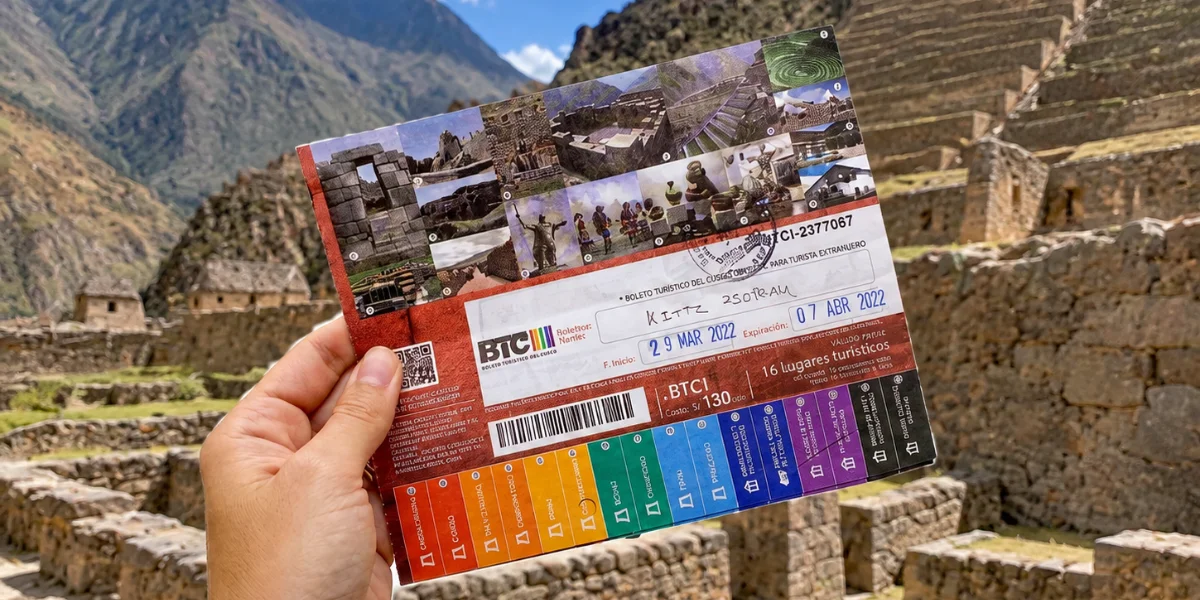
Several major archaeological sites in the Cusco region are covered by the Cusco Tourist Ticket, also known as the Boleto Turístico del Cusco. The ticket system includes selected attractions and circuits, but it does not automatically cover every attraction in the Sacred Valley.
The Maras salt pans, for example, have separate admission arrangements.
Which Sites May Be Included?
Depending on the ticket type and current arrangements, the Cusco Tourist Ticket can cover sites such as Pisac, Ollantaytambo, Chinchero and Moray.
The precise combination depends on the ticket purchased. Verify the current official list before choosing a full or partial ticket.
What About Maras Salt Mines?
The Salineras de Maras are separate from the Cusco Tourist Ticket system and have their own access arrangements and charges.
Confirm the current admission price and payment method locally before your visit.
Should You Buy a Full or Partial Ticket?
Your best option depends on how many included attractions you intend to visit and the dates of your trip.
If you plan to visit several archaeological sites, compare the current full ticket with the available partial circuits. If you only want to visit one or two places, verify whether a partial ticket is more suitable.
Important: Ticket prices, inclusions, validity periods and purchase arrangements can change. Check the current official information before travel rather than relying on old prices quoted online.
Food and Local Culture in the Sacred Valley
Food is an important part of exploring the Sacred Valley. Local restaurants and community experiences offer opportunities to try Andean ingredients and understand regional cooking traditions.
Traditional Andean Ingredients
Potatoes, corn, quinoa, legumes and other local crops feature in regional meals. Menus vary by town, restaurant and season.
Chicha and Corn Traditions
Corn has an important place in Andean agriculture and food culture. Traditional beverages such as chicha de jora are associated with regional customs and community celebrations.
Availability and preparation vary, so ask local hosts or restaurants about their offerings.
Markets and Artisan Workshops
Pisac and Chinchero are well-known places to explore handicrafts and textile traditions.
If you purchase textiles, ask about materials, techniques and the people who made them. Fair payment and respectful interaction help support local artisans.
Community-Based Experiences
Some communities offer weaving demonstrations, farm visits, traditional meals and cultural activities.
Choose experiences that explain what is included and how community members participate. Ask before taking photographs and respect any restrictions around ceremonies or private spaces.
Sacred Valley for Different Travelers
First-Time Visitors
Prioritize Pisac, Ollantaytambo and one additional area such as Maras and Moray. If possible, spend at least one night in the valley to reduce the pressure of a long day trip.
History and Archaeology Enthusiasts
Give Pisac and Ollantaytambo enough time for their archaeological complexes. Add Moray and Chinchero if you have extra days and want to explore different aspects of Inca engineering and Andean history.
Culture and Photography Travelers
Spend time in traditional towns, markets and textile workshops. Ask permission before photographing people and choose experiences that allow meaningful interaction rather than a rushed demonstration.
Families
Choose routes with manageable travel times and avoid adding too many archaeological stops in one day. Check walking distances, stairs, restroom access and the suitability of the itinerary for children.
Independent Travelers
Shared transport can connect the major towns, but some archaeological sites require additional transfers. Build flexibility into your schedule and confirm current routes before setting out.
Travelers Heading to Machu Picchu
Consider staying overnight in Ollantaytambo if your train departs from there. Confirm your actual station, departure time and baggage rules before organizing the final day of your Sacred Valley itinerary.
What to Pack for the Sacred Valley
The valley’s changing elevations and weather make layers useful throughout the year.
- Comfortable walking shoes with good grip.
- A warm layer for mornings and evenings.
- A light rain jacket during the wetter season.
- Sunscreen, sunglasses and a hat.
- A reusable water bottle.
- A small daypack.
- Cash in Peruvian soles for small purchases where cards may not be accepted.
- Any personal medication you need.
- A camera or phone protected against dust and moisture.
- A small overnight bag if continuing to Machu Picchu.
Check out our: Peru packing List
Responsible Tourism in the Sacred Valley
The Sacred Valley is a living Andean region, not simply a collection of archaeological sites. Its villages, farms, markets and cultural traditions remain important to the people who live there.
Respect Local Communities
Ask permission before photographing people, homes, workshops or ceremonies. Follow local guidance and respect restrictions on private or sacred spaces.
Support Local Artisans
When possible, purchase crafts directly from the people who make them. Ask about materials and techniques and pay fairly for the work involved.
Protect Archaeological Sites
Stay on designated paths, follow site rules and avoid touching or climbing on structures where access is restricted.
Reduce Environmental Impact
Avoid leaving rubbish, carry reusable water containers where practical and follow local waste-disposal guidance.
Choose Experiences Carefully
Select tours and workshops that explain their inclusions and involve local communities respectfully. Avoid assuming every community offers the same cultural experience.
Practical Sacred Valley Travel Tips
-
Plan by area: Group attractions that are geographically close instead of attempting to visit the entire valley in one day.
-
Choose your overnight base strategically: Urubamba is central, Pisac works well for the eastern valley and Ollantaytambo is practical before many Machu Picchu train departures.
-
Check train tickets carefully: Verify the exact departure station and time.
-
Confirm ticket inclusions: The Cusco Tourist Ticket does not cover every attraction.
-
Allow extra travel time: Road conditions, traffic and stops can change the duration of a route.
-
Pack layers: Temperatures and weather can change throughout the day.
-
Take altitude into account: Walk at a comfortable pace and avoid overloading your first day.
-
Check current schedules and fees: Operating hours, transport services and entrance arrangements may change.
Plan Your Sacred Valley Trip
The best Sacred Valley itinerary is one that balances archaeological sites, cultural experiences, travel time and where you want to stay.
If you have only one day, choose a focused route. With two or three days, you can explore Pisac, Ollantaytambo, Maras, Moray and Chinchero more comfortably. If Machu Picchu is next on your itinerary, consider staying overnight in Ollantaytambo when it fits your train departure.
Before booking, confirm transport, entrance arrangements, accommodation and the time needed at each attraction. A well-planned route will help you experience the Sacred Valley as a destination rather than simply a stop between Cusco and Machu Picchu.
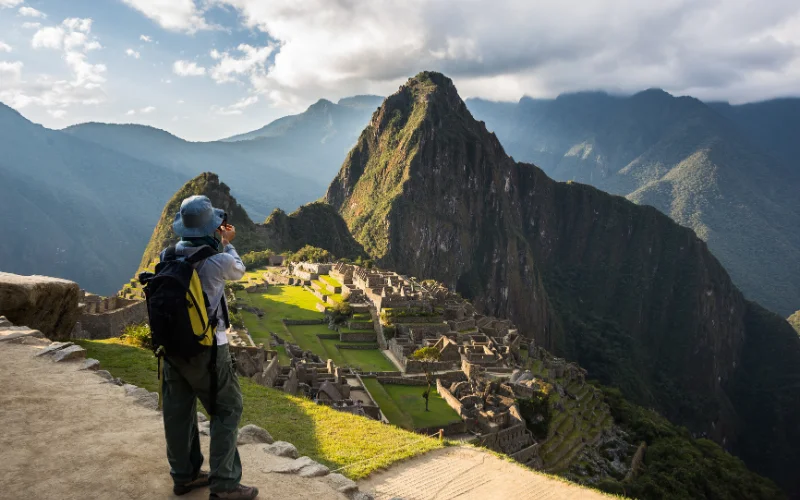
Machu Picchu Travel Guide
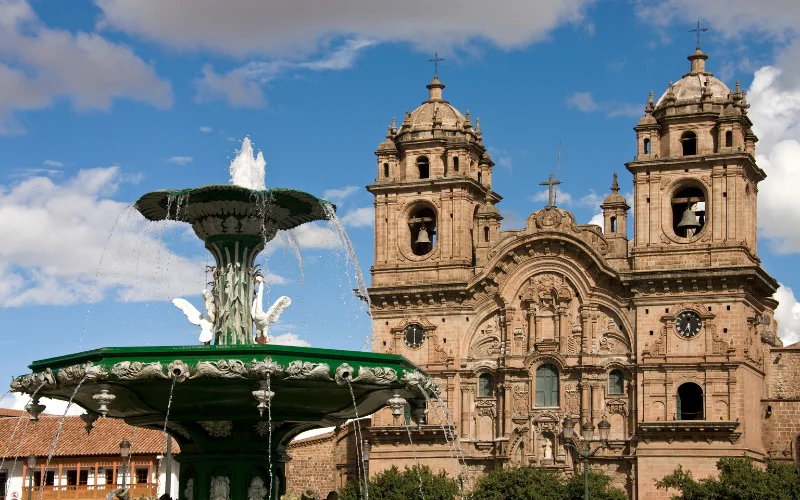
Cusco Travel Guide
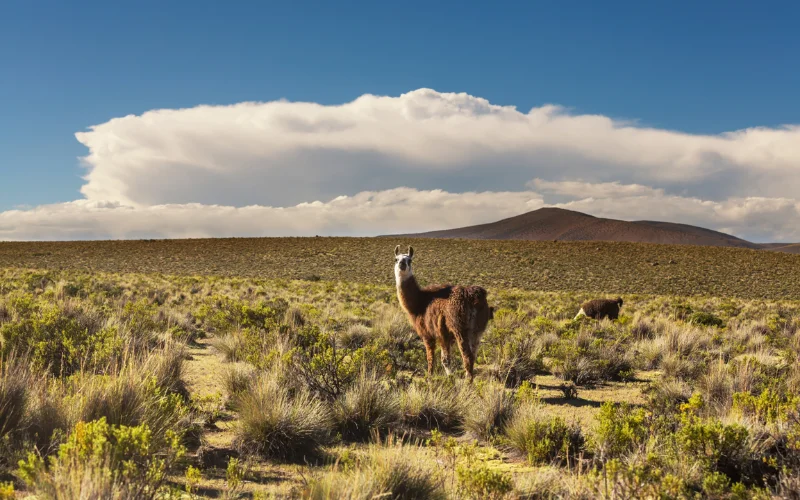
Peru Travel Guide
Best time to visit Peru
Frequently Asked Questions About the Sacred Valley
Is the Sacred Valley worth visiting?
Yes. The Sacred Valley is worth visiting for its Inca archaeological sites, traditional towns, mountain scenery, markets and cultural experiences. It is also a practical region to explore before continuing to Machu Picchu.
How many days do you need in the Sacred Valley?
One day provides an introduction, but two to three days are more comfortable for visiting several major attractions. Four or five days allow a slower pace and more time for rural experiences, hiking and smaller communities.
What are the best places to visit in the Sacred Valley?
Pisac, Ollantaytambo, Maras, Moray and Chinchero are among the best-known destinations. Urubamba and nearby communities are useful for accommodation, food and a slower-paced stay.
Can you visit the Sacred Valley in one day from Cusco?
Yes. A day trip can cover selected sites, but the valley is spread across a broad area. Choose a focused route rather than trying to visit every major attraction in one day.
Is it better to stay in Cusco or the Sacred Valley?
It depends on your plans. Cusco is convenient for city attractions and transport connections. Staying in the Sacred Valley can provide a quieter setting, easier access to the valley’s archaeological sites and a practical overnight base before some Machu Picchu train departures.
Which town is best to stay in the Sacred Valley?
Urubamba is a practical central base, Pisac is convenient for the eastern valley and Ollantaytambo is useful for exploring its archaeological site and catching many trains to Machu Picchu. The best choice depends on your itinerary.
Can you visit Pisac and Ollantaytambo on the same day?
It is possible, but it can be a long day depending on your transport, time at each archaeological site and onward destination. If you want to explore both in depth, consider splitting the visits across two days.
Can you visit Maras and Moray on the same day?
Yes. Maras and Moray are commonly combined in one outing because they are in the same general area. Check current access arrangements and allow time for road transfers between the sites.
How do you get around the Sacred Valley without a private car?
Shared minivans and local transport connect some of the main towns. However, individual archaeological sites and rural attractions may require additional transfers. Confirm current routes and allow extra time.
Is the Sacred Valley lower than Cusco?
Many parts of the Sacred Valley are lower than Cusco, but the region includes locations at different elevations. Chinchero and Moray, for example, are relatively high. Consider altitude when planning your route.
Do you need a tourist ticket for the Sacred Valley?
Several major archaeological sites are included in the Cusco Tourist Ticket, depending on the ticket type. Maras salt pans have separate admission arrangements. Verify current ticket inclusions before your visit.
Can you travel from the Sacred Valley directly to Machu Picchu?
Many travelers continue from Ollantaytambo by train toward Aguas Calientes, subject to their selected service and ticket. Confirm the departure station, schedule, baggage rules and onward arrangements in advance.
What is the best time to visit the Sacred Valley?
The drier months, generally April through October, are often practical for outdoor sightseeing. The rainy season can bring greener landscapes but also more rain. Conditions vary, so check the forecast before traveling.
Combine the Sacred Valley with Machu Picchu
The Sacred Valley is a natural addition to a journey to Machu Picchu. You can explore the valley first, stay overnight in Ollantaytambo and continue by train when your confirmed service departs from there.
Review the full Machu Picchu itinerary and travel arrangements before booking.
Design Your Peru Trip
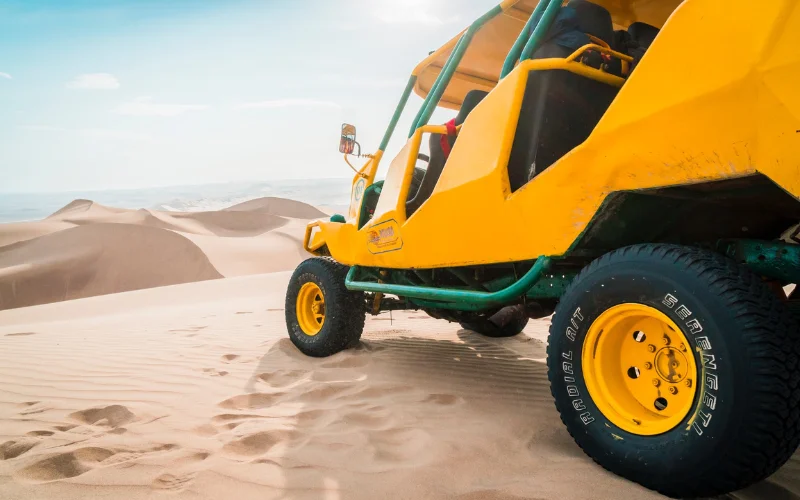
View All Day Trips
Discover unforgettable places and experiences, even on a tight schedule.
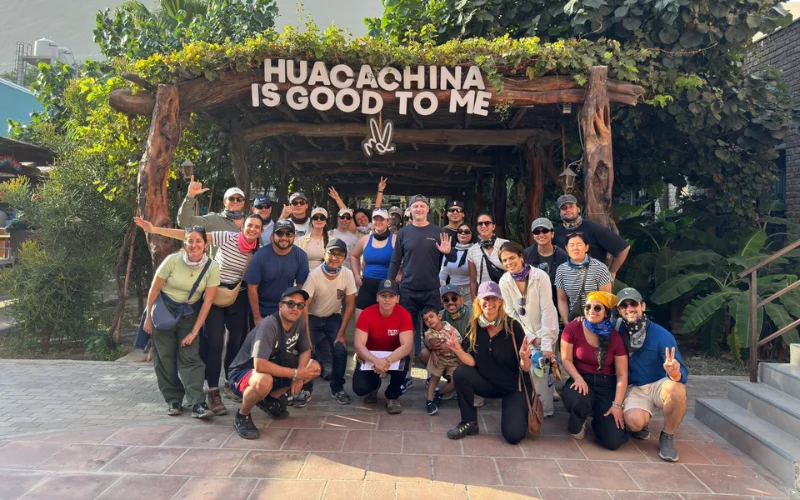
View All Packages
Experience more of Peru with our expertly crafted travel packages.

View All Amazon Experiences
Explore the Amazon rainforest, discover incredible wildlife, and connect with nature.
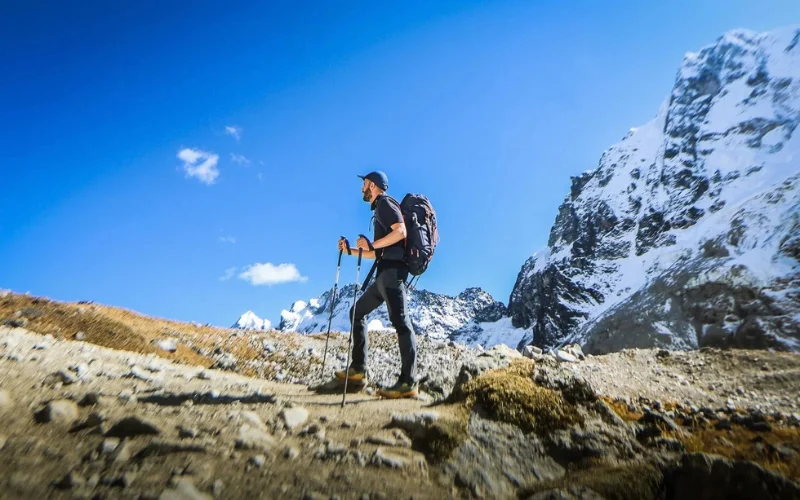
View All Treks
Hike Peru’s most spectacular trails and discover the Andes on foot.