

Arequipa
Arequipa Travel Guide
Discover Arequipa’s UNESCO-listed historic center, white volcanic sillar architecture, traditional cuisine, volcano landscapes and the Colca Canyon.
Arequipa is one of the most distinctive destinations in southern Peru.
Known as the White City, Arequipa combines colonial architecture built from volcanic sillar, dramatic Andean landscapes, traditional picanterías, archaeological heritage and access to the spectacular Colca Valley.
The city itself deserves time to explore. Its UNESCO-listed Historic Center is filled with plazas, churches, colonial mansions, courtyards and distinctive sillar architecture, while neighborhoods such as Yanahuara offer views toward the surrounding volcanoes. UNESCO describes the Historic Center as an exceptional example of the integration of European and Indigenous building traditions, shaped by the city’s volcanic environment and history of earthquakes.
Beyond the city, Arequipa is the gateway to the Colca Canyon, Salinas and Aguada Blanca, volcanic landscapes and rural areas where traditional food and agricultural life remain an important part of the region’s identity.
This Arequipa travel guide explains what to see, how long to stay, where to stay, what to eat, how to reach Arequipa, how to visit the Colca Canyon and how to build Arequipa into your Peru itinerary.
Arequipa at a Glance
📍 Location: Southern Peru
🗺️ Region: Arequipa
⛰️ Altitude: Approximately 2,335 m / 7,661 ft
✈️ Airport: Rodríguez Ballón International Airport (AQP)
🏛️ Known for: Sillar architecture, historic center, gastronomy, volcanoes and Colca Canyon
🌎 UNESCO: Historic Centre of Arequipa
🏞️ Main nearby destination: Colca Canyon
📅 Typical stay: 2–4 days
⭐ Best for: History, food, culture, architecture, nature and adventure
Arequipa sits in the Andes at the foot of a spectacular volcanic landscape. The city itself is already high enough for altitude to be relevant, although it is considerably lower than destinations such as Cusco. Peru Travel lists Arequipa at approximately 2,335 meters above sea level and highlights its Historic Center, Colca Canyon, Yanahuara, Santa Catalina, museums and local cuisine among its principal attractions.
Why Visit Arequipa?

Arequipa offers something different from both Lima and Cusco.
The city has a strong architectural identity created by the extensive use of volcanic sillar, a distinctive culinary tradition centered around picanterías and an extraordinary natural setting dominated by volcanoes.
It is also one of the best places in Peru to combine:
- Colonial and Indigenous history
- UNESCO heritage
- Traditional Peruvian cuisine
- Volcano landscapes
- Archaeological sites
- Andean villages
- Wildlife
- Desert-to-Andes landscapes
- Adventure activities
- Colca Canyon
For many travelers, the ideal Arequipa itinerary combines two different experiences: time in the city and an excursion into the surrounding region.
Arequipa History & Cultural Identity
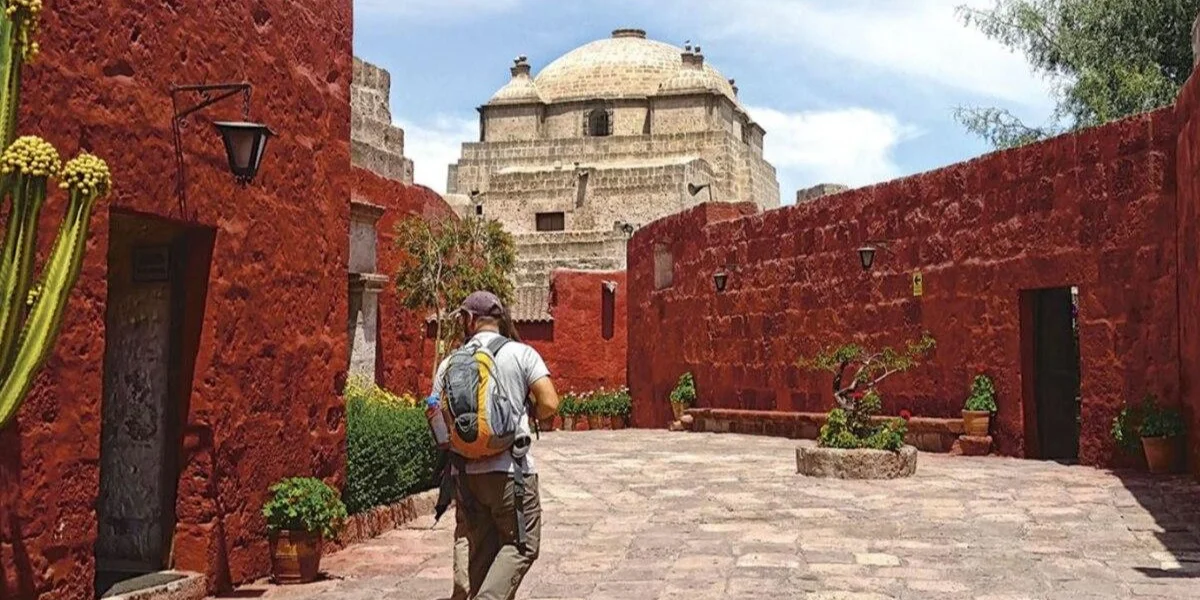
Arequipa’s identity was shaped by much more than Spanish colonial history.
The valley was already cultivated by pre-Hispanic communities before the Spanish foundation of the city. Arequipa was founded in 1540, and its later architecture developed through a combination of European designs, local construction knowledge, Indigenous influences and the use of volcanic sillar. UNESCO also notes that repeated earthquakes influenced the city’s architecture and rebuilding over time.
Pre-Hispanic Arequipa
Long before the colonial city existed, communities in the region developed agricultural systems adapted to the valley’s geography.
The surrounding landscape still preserves evidence of this relationship between people, agriculture, water and the volcanic environment.
The Foundation of Arequipa
The Spanish city was founded in 1540.
Its urban development eventually produced the characteristic plazas, religious buildings, casonas and streets that define the Historic Center today.
Colonial Arequipa
During the colonial period, Arequipa developed an architectural identity that combined European styles with local materials and craftsmanship.
This is especially visible in its Baroque facades, carved portals, courtyards and massive sillar walls.
Earthquakes, Sillar & the City’s Identity
Earthquakes have repeatedly affected Arequipa throughout its history.
The city’s architecture evolved partly as a response to this seismic environment, producing robust walls, vaults, arches and other construction techniques that became characteristic of Arequipa.
Arequipa's Historic Center
The Historic Center is the heart of any first visit to Arequipa.
UNESCO inscribed the Historic Centre of the City of Arequipa as a World Heritage property in 2000. The area is especially significant for its sillar architecture, colonial urban layout, religious buildings, casonas and the fusion of European and Indigenous traditions.
Allow at least half a day to explore the central area, although travelers interested in architecture, museums and gastronomy can easily spend a full day here.
Plaza de Armas
Start at the Plaza de Armas, the city’s central square.
The Cathedral dominates one side of the plaza, while arcades surround the remaining sides.
From here, you can explore many of the city’s most important historic streets and buildings on foot.
Arequipa Cathedral
The Cathedral is one of the principal landmarks of the Plaza de Armas and forms an essential part of the city’s historic skyline.
Its position at the center of the colonial urban layout makes it a natural starting point for exploring Arequipa.
La Compañía de Jesús
The Church and Cloisters of La Compañía are among the most representative examples of the city’s Baroque architecture.
The carved sillar facades demonstrate the distinctive artistic tradition that developed in Arequipa.
UNESCO identifies the La Compañía complex as one of the most representative ensembles of the city’s Baroque mestizo architecture.
Colonial Casonas
Do not explore Arequipa’s Historic Center only by looking for churches.
The city also contains numerous historic houses with courtyards, carved portals and sillar construction.
UNESCO notes that the Historic Center contains around 500 historic casonas, which form an important part of the city’s architectural character.
San Lázaro
San Lázaro is one of the city’s historic neighborhoods and preserves a more intimate scale than the main Plaza de Armas area.
Its streets provide another perspective on the evolution of Arequipa’s urban landscape.
Best Things to Do in Arequipa
Arequipa’s best experiences are not concentrated in one attraction.
The strongest itinerary combines architecture, history, food and views with at least one experience outside the city.
Visit Santa Catalina Monastery
The Monastery of Santa Catalina is one of Arequipa’s most distinctive attractions.
Its colorful walls, narrow streets, courtyards and cloisters create the feeling of entering a small city within the city.
Peru Travel describes Santa Catalina as a major architectural and cultural attraction and lists it among Arequipa’s principal experiences.
Visit Museo Santuarios Andinos
The Museo Santuarios Andinos provides an important archaeological and cultural perspective on the Andes and the region surrounding Arequipa.
It works particularly well for travelers who want to understand the cultural history of the region beyond colonial architecture.
See Arequipa from Yanahuara
Yanahuara is one of the city’s best-known viewpoints.
Its traditional sillar arches frame views toward Arequipa and the Misti volcano.
Peru Travel highlights Yanahuara for its panoramic views, sillar architecture and connection with the surrounding volcanic landscape.
Explore San Camilo Market
San Camilo Market is a good place to see another side of everyday Arequipa.
Explore local produce, fruits, traditional ingredients and food stalls while experiencing a working market rather than a conventional tourist attraction.
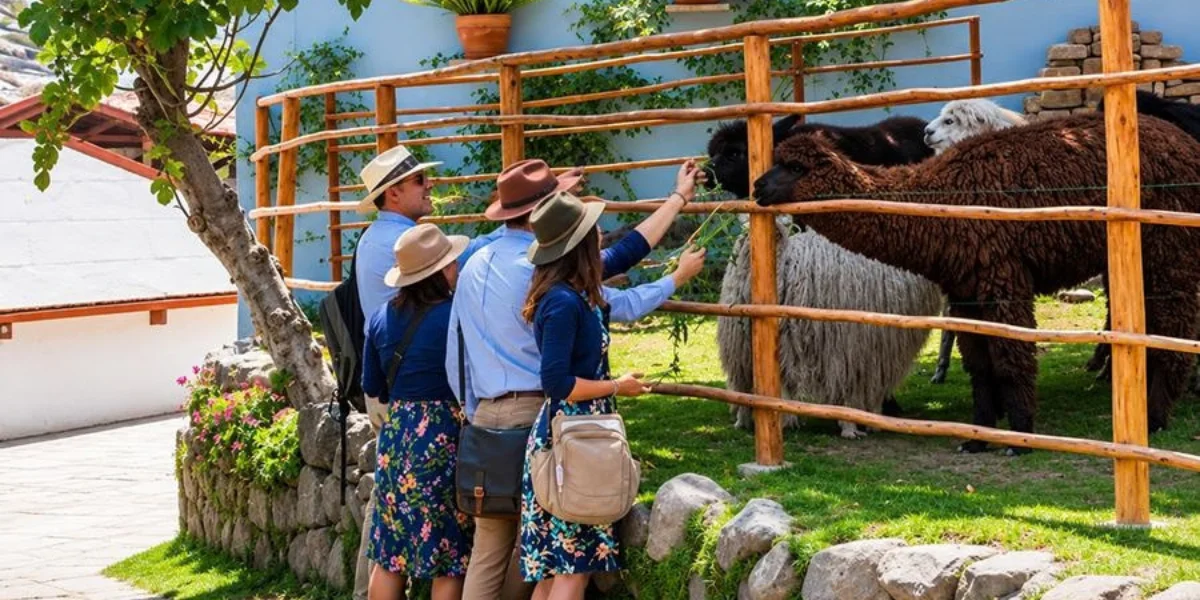
Discover Mundo Alpaca
Mundo Alpaca provides an introduction to alpaca fiber, textiles and Andean camelids.
It can be a useful addition for travelers interested in traditional textiles and the relationship between local materials, craftsmanship and commerce.
Visit Molino de Sabandía
The Molino de Sabandía offers a different perspective on Arequipa’s countryside and traditional agricultural landscape.
It works particularly well as part of a broader Arequipa countryside experience.

Plaza de Armas

Santa Catalina Monastery

Cathedral of Arequipa

Colca Canyon

Mirador de Yanahuara

Mercado San Camilo
Arequipa Food & Gastronomy
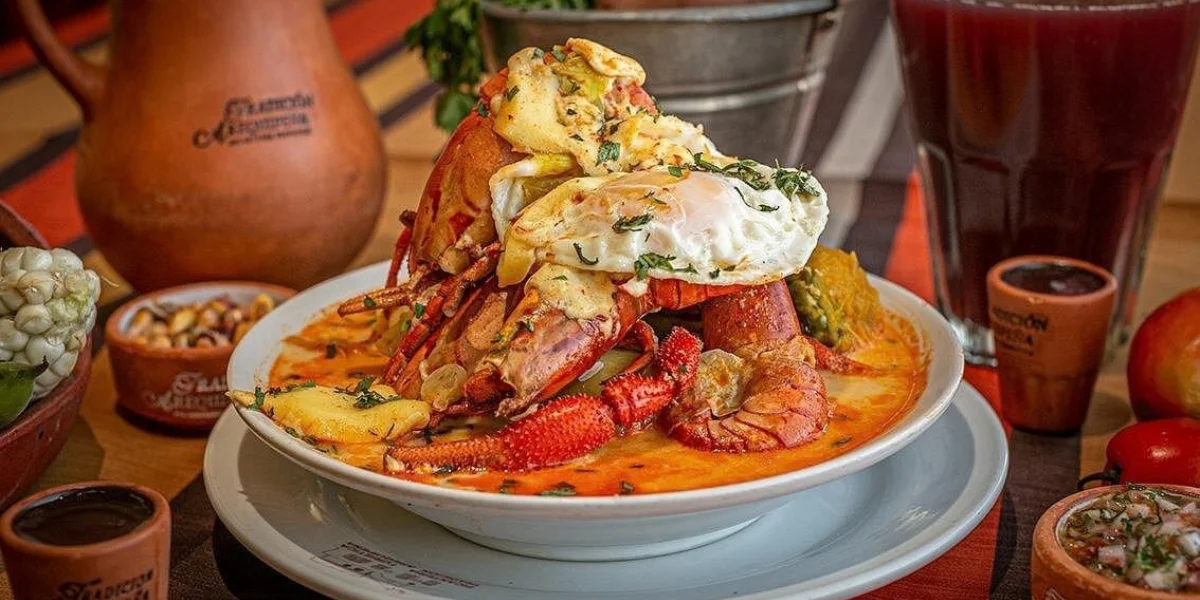
Food is one of the strongest reasons to spend more than one day in Arequipa.
The region has a distinctive culinary identity built around local ingredients, traditional cooking techniques and the culture of the picantería.
Peru Travel describes Arequipa’s picanterías as traditional restaurants connected to the region’s rural and culinary heritage, with dishes such as rocoto relleno, solterito, ocopa, chupe de camarones and adobo.
Picanterías
A traditional picantería should be part of your Arequipa itinerary.
These establishments are more than restaurants. They represent an important part of the region’s culinary and social identity.
The picantería tradition was recognized as Cultural Heritage of the Nation in 2014.
Rocoto Relleno
Rocoto relleno is one of Arequipa’s most recognizable dishes.
The spicy rocoto is filled with seasoned meat and other ingredients and commonly served with cheese and pastel de papa.
If you only have time to try one iconic Arequipa dish, this is one of the obvious choices.
Chupe de Camarones
Chupe de camarones is a rich soup combining river shrimp with ingredients such as potatoes, corn, milk, cheese and vegetables.
It is one of the signature dishes of Arequipa’s regional cuisine.
Adobo Arequipeño
Adobo is traditionally associated with Sunday mornings in Arequipa.
The dish uses pork, chili, onion and chicha de jora and is one of the most distinctive examples of local cuisine.
Queso Helado
Despite its name, queso helado is a traditional frozen dessert rather than cheese ice cream in the conventional sense.
It is commonly prepared with milk, coconut, cinnamon and spices.
Try it in the city or around Yanahuara.
San Camilo Market
San Camilo is a good place to connect the city’s food culture with everyday life.
Use the market to discover local ingredients, fruits and traditional products before heading to a picantería for a full meal.

Rocoto Relleno

Chupe de Camarones

Adobo
Arequipa Altitude & Acclimatization
Arequipa sits at approximately 2,335 m / 7,661 ft above sea level. That is high enough for some travelers to notice the altitude, particularly during their first day.
If you are arriving directly from sea level:
- Take your first hours slowly.
- Stay hydrated.
- Avoid intense exercise immediately after arrival.
- Eat lightly if you feel uncomfortable.
- Allow your body time to adjust.
Arequipa can also be part of an itinerary that later reaches considerably higher elevations, particularly in the Colca region.
If you experience significant or worsening symptoms, seek professional medical assistance rather than assuming they are simply part of acclimatization.
Best Time to Visit Arequipa
Arequipa can be visited throughout the year, but weather conditions can influence your experience, particularly if you plan to explore the surrounding mountains and Colca Canyon.
Dry Season
The drier months are generally popular for outdoor activities, sightseeing and excursions.
Clearer conditions can also be useful for travelers hoping to photograph the volcanoes and surrounding landscapes.
Rainy Season
Rain is more likely during the Andean wet season.
This does not mean the city cannot be visited, but travelers planning trekking or mountain excursions should allow more flexibility.
Best Time for Colca Canyon
If Colca Canyon is one of your main reasons for visiting Arequipa, weather conditions become even more important.
Check the current conditions before hiking or booking a multi-day trek.
August in Arequipa
August is an especially interesting month for travelers who want to experience local celebrations.
Arequipa’s anniversary is celebrated on August 15, with cultural activities, concerts, parades and other events.
If you travel around this period, expect a livelier city and potentially higher demand for accommodation and services.
How Many Days Do You Need in Arequipa?

For most travelers, 2–3 days is a strong starting point.
Add additional time if you want to explore Colca at a slower pace or include trekking and countryside experiences.
1 Day in Arequipa
With only one day, focus on the Historic Center.
Suggested route:
Plaza de Armas → Cathedral → La Compañía → Santa Catalina → San Camilo → Yanahuara
Finish with a traditional Arequipa dinner.
2 Days in Arequipa
Day 1: Historic Center + Santa Catalina + local food
Day 2: Yanahuara + Museo Santuarios Andinos + countryside or Ruta del Sillar
This is a good option if you want to experience the city without rushing.
3 Days in Arequipa
Use the third day for an excursion outside the center.
Options include:
- Ruta del Sillar
- Salinas and Aguada Blanca
- countryside
- Colca Canyon
4–5 Days in Arequipa
Four or five days allow you to combine the city with a more complete Colca experience. A strong itinerary could be:
Day 1: Historic Center
Day 2: Food + museums + Yanahuara
Day 3: Colca Valley
Day 4: Colca Canyon / Cruz del Cóndor
Day 5: Return to Arequipa or continue to your next destination
Arequipa Itineraries
One-Day Arequipa Itinerary
- Morning: Plaza de Armas + Cathedral + La Compañía
- Late morning: Santa Catalina
- Lunch: Traditional picantería
- Afternoon: San Camilo + Historic Center
- Sunset: Yanahuara
- Evening: Arequipa dinner
Two-Day Arequipa Itinerary
- Day 1: Historic Center + Santa Catalina + gastronomy
- Day 2: Yanahuara + Museo Santuarios Andinos + Ruta del Sillar or countryside
Three-Day Arequipa Itinerary
- Day 1: Historic Center
- Day 2: Museums + Yanahuara + food
- Day 3: Colca or Salinas and Aguada Blanca
Four-Day Arequipa + Colca Itinerary
- Day 1: Historic Arequipa
- Day 2: City + food + viewpoints
- Day 3: Travel to Colca Valley + Chivay
- Day 4: Cruz del Cóndor + Colca viewpoints + return or continue your journey.
Where to Stay in Arequipa
The best area depends on whether you prioritize history, restaurants, nightlife, views or easy access to transportation.
Historic Center
Best for first-time visitors and history.
Staying near the Plaza de Armas places you within walking distance of many of Arequipa’s principal attractions, restaurants and historic buildings.
Yanahuara
Best for views and a quieter atmosphere.
Yanahuara is particularly appealing to travelers who want access to restaurants and viewpoints while staying outside the busiest central streets.
San Lázaro
Best for atmosphere and historic character.
This area offers a more intimate neighborhood experience close to the Historic Center.
Cayma
Best for travelers looking for a more residential environment.
Cayma can work well for longer stays or travelers who prefer a quieter base.
How to Choose Your Area:
For a first trip, I would prioritize:
- Historic Center → easiest for sightseeing
- Yanahuara → best balance of views and atmosphere
- San Lázaro → historic and quieter
How to Get to Arequipa
Arequipa is one of the most accessible major destinations in southern Peru.
Lima to Arequipa by Air
Flying is the fastest option from Lima.
Peru Travel lists the Lima–Arequipa flight at approximately 1 hour 15–35 minutes, depending on the reference page and current service. Always check the airline’s current schedule before booking.
Lima to Arequipa by Bus
Long-distance buses connect Lima and Arequipa.
The journey is considerably longer than flying but can be useful for travelers who prefer overland travel or are building a road itinerary through southern Peru.
Cusco to Arequipa
Arequipa can also be incorporated into a southern Peru route connecting Cusco, Arequipa and Lake Titicaca.
Puno to Arequipa
Traveling between Puno and Arequipa is another common overland connection, particularly for travelers exploring the southern Andes.
Arequipa Airport
Rodríguez Ballón International Airport serves the city.
From the airport, arrange reliable transportation to your accommodation rather than choosing transportation solely on price.
Bus vs Flight
Choose flying when:
- time is limited
- you are connecting from Lima
- you want to maximize time in Arequipa
Choose bus when:
- you prefer overland travel
- you are connecting several southern destinations
- you want to avoid an additional flight
How to Get Around Arequipa
The Historic Center is best explored on foot.
For longer distances, taxis and other local transportation options are practical.
Walking in the Historic Center
Walking is the best way to appreciate the architecture, plazas, churches and smaller streets of central Arequipa.
Taxis
For trips between neighborhoods or to attractions outside the center, use reliable taxi services or transportation arranged through your accommodation or tour provider.
Day Trips
For Colca, Salinas and Aguada Blanca, Ruta del Sillar and other regional excursions, organized or private transportation is usually much more practical than public transportation.
Colca Canyon from Arequipa
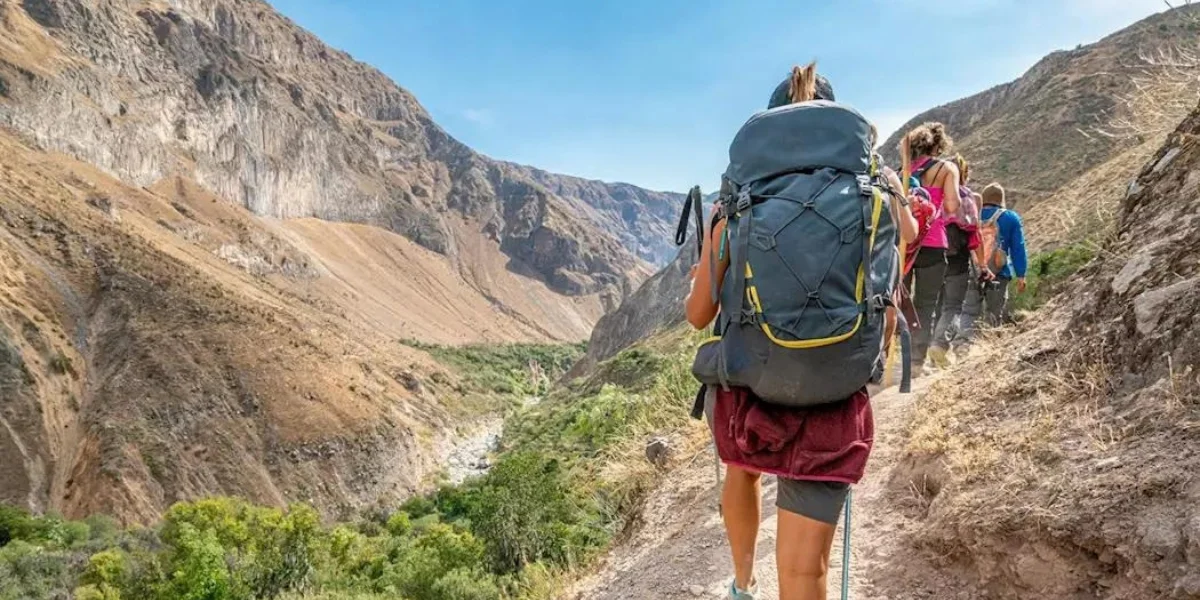
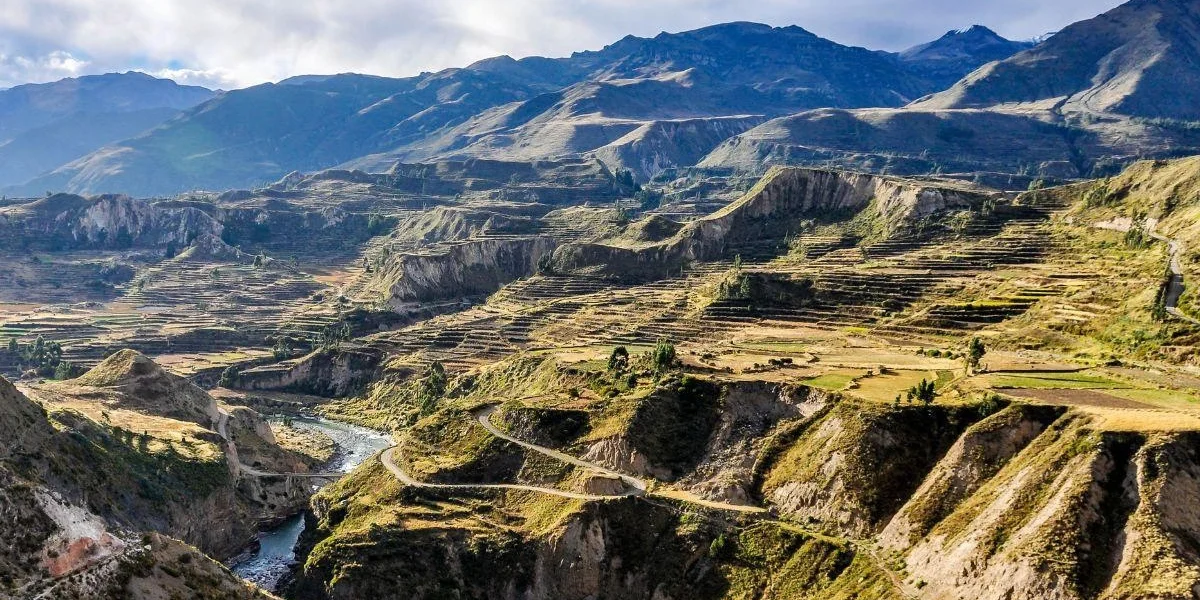
The Colca Canyon is one of the biggest reasons travelers add Arequipa to their Peru itinerary.
But it should be treated as a regional excursion from Arequipa, not as another attraction inside the city.
Why Visit Colca Canyon?
The Colca Valley combines dramatic canyon landscapes, Andean villages, agricultural terraces, high-altitude scenery and opportunities to see Andean condors.
The journey itself is part of the experience.
Cruz del Cóndor
Cruz del Cóndor is one of the best-known viewpoints in the Colca region and is associated with condor observation.
Conditions are natural, so wildlife sightings are never guaranteed.
Chivay & the Colca Valley
Chivay is one of the principal bases for exploring the Colca region.
The valley around Chivay offers access to viewpoints, villages, thermal baths and mountain landscapes.
Colca Day Trip vs 2-Day Trip
Choose a day trip if:
- your schedule is limited
- you mainly want the canyon and condor viewpoint
- you prefer returning to Arequipa
Choose two days if:
- you want to explore the valley
- you prefer a slower pace
- you want to experience local villages
- you are interested in trekking or additional viewpoints
Colca Canyon Trekking
Trekking in the Colca Canyon is a completely different experience from a conventional sightseeing tour.
It requires more physical preparation, time and appropriate equipment.
Do not choose a trek simply because it fits your itinerary on paper.
Hot Springs & Andean Villages
Thermal baths and traditional villages add a cultural and relaxing component to a Colca itinerary.
Check whether entrance fees are included in your tour.
Colca Tourist Ticket
AUTOCOLCA administers the tourist ticket for the Colca Canyon, Salinas and Aguada Blanca National Reserve, and Valley of the Volcanoes Tourist Circuit.
The current official tariff lists S/70 for foreign adults, S/40 for Latin American adults, and S/20 for Peruvian adults, with separate child and other categories. The ticket covers entrance rights to the circuit but does not include guide services or transportation. Autocolca
Because prices and purchasing conditions can change, verify the current tariff directly with AUTOCOLCA before traveling.
Best Day Trips & Experiences from Arequipa
Arequipa works particularly well as a base for exploring the surrounding region.
Ruta del Sillar
The Ruta del Sillar explores the volcanic stone quarries and the craftsmanship associated with one of Arequipa’s defining building materials.
It provides useful context for understanding why sillar became so central to the city’s architecture.
Salinas and Aguada Blanca National Reserve
The reserve extends across a high-altitude landscape of volcanoes, plains, wetlands and Andean wildlife.
It is also part of the tourist circuit administered by AUTOCOLCA. Autocolca
Chili River Adventure
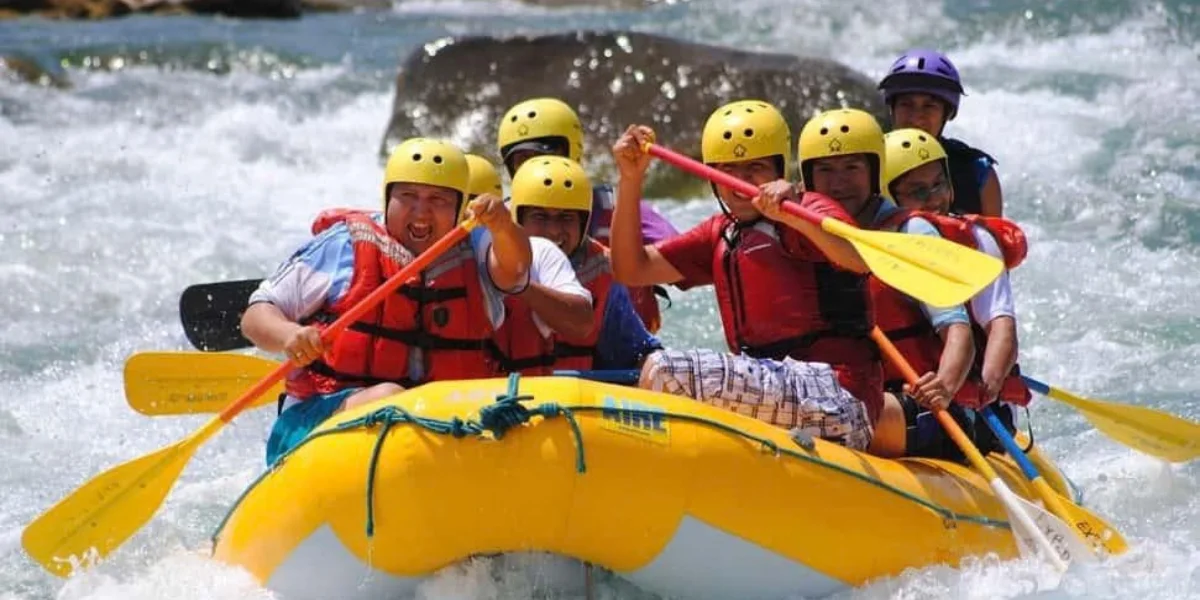
The Chili River provides opportunities for rafting and other outdoor activities close to Arequipa.
This is a good option for travelers who want to add adventure without committing to a multi-day trek.
Arequipa Countryside
The countryside around Arequipa provides a different perspective on the region.
Agricultural fields, traditional villages, viewpoints and picanterías connect the landscape with the city’s food and cultural traditions.
Peru Travel highlights the countryside and traditional picanterías as an important part of Arequipa’s cultural identity.
Toro Muerto
For travelers interested in archaeology and rock art, the Toro Muerto petroglyphs provide another regional experience.
Peru Travel describes the site as containing zoomorphic, anthropomorphic and geometric engravings associated with the region’s ancient cultures.
Arequipa for Different Travelers
First-Time Visitors
Prioritize the Historic Center, Santa Catalina, Yanahuara and a traditional picantería.
If you have three or more days, add Colca.
Food Travelers
Spend time in traditional picanterías rather than focusing exclusively on tourist restaurants.
Try rocoto relleno, chupe de camarones, adobo, ocopa and queso helado.
History & Culture Travelers
Give yourself more time for Santa Catalina, the Historic Center, museums, churches and archaeological sites.
Adventure Travelers
Add Colca trekking, rafting, Ruta del Sillar or high-altitude excursions.
Families
A city-based itinerary with Santa Catalina, markets, viewpoints and selected day trips can work well.
For Colca, consider the age and comfort level of younger travelers before choosing a long day trip or trek.
Photographers
Arequipa offers strong photographic contrasts:
- white sillar architecture
- volcanic landscapes
- Misti
- historic courtyards
- colorful Santa Catalina
- Yanahuara
- Colca landscapes
- Andean wildlife
Arequipa Safety & Practical Awareness
Arequipa is a major tourist destination, but normal urban precautions still apply. Keep valuables secure in crowded areas, avoid displaying expensive equipment unnecessarily and use reliable transportation. For outdoor excursions, safety also depends on weather, altitude, road conditions and the operator you choose.
When visiting archaeological and protected areas, stay within designated routes and follow the instructions of guides and local authorities.
Practical Arequipa Travel Tips
Pack Layers
Temperatures can vary significantly between sunny daytime conditions and cooler mornings or evenings.
Bring Sun Protection
At Arequipa’s elevation, strong sunlight can be noticeable even when temperatures feel comfortable.
Pack:
- sunscreen
- sunglasses
- hat
- light layers
Carry Water
Hydration is particularly useful when combining sightseeing with altitude and outdoor excursions.
Take Your First Day Slowly
If arriving from sea level, do not fill your first few hours with intense physical activity.
Carry Some Cash
Cash can be useful for markets, smaller establishments and local services.
Book Colca Carefully
Before booking, verify:
- transportation
- accommodation
- meals
- guide
- entrance tickets
- pickup location
- itinerary
- trekking difficulty
Don’t Underestimate Distances
Colca, Salinas and other regional destinations are not “inside Arequipa.”
Allow realistic travel time.
Eat Like a Local
Don’t miss dining at a traditional picantería. Try iconic dishes like rocoto relleno, chupe de camarones, and adobo arequipeño. Midday is the best time to visit these eateries, as many locals eat their main meal around 1–2 PM.
Frequently Asked Questions About Arequipa
Is Arequipa worth visiting?
Yes. Arequipa combines UNESCO-listed architecture, traditional cuisine, museums, volcano landscapes and access to the Colca region. The city itself deserves at least one full day, while two or three days provide a much better experience.
What is Arequipa known for?
Arequipa is best known for its white volcanic sillar architecture, UNESCO-listed Historic Center, Santa Catalina Monastery, traditional cuisine, volcanoes and proximity to the Colca Canyon.
Why is Arequipa called the White City?
The nickname comes from the extensive use of white volcanic sillar in buildings throughout the Historic Center. UNESCO identifies the widespread use of this volcanic stone as one of the defining characteristics of Arequipa’s historic architecture.
How many days do you need in Arequipa?
Two to three days is a good starting point for most travelers. Add additional days if you want to explore Colca Canyon, trek, visit the countryside or take several regional excursions.
Is Arequipa at high altitude?
Yes. Arequipa sits at approximately 2,335 meters / 7,661 feet above sea level. Some travelers may notice altitude effects, particularly when arriving directly from sea level.
Is Arequipa worth visiting before Cusco?
It can be. Arequipa is lower than Cusco and can provide a gradual transition into higher-altitude destinations, although altitude adaptation varies between travelers.
What should you eat in Arequipa?
Start with rocoto relleno, chupe de camarones, adobo, ocopa, solterito and queso helado. A traditional picantería is one of the best places to experience the region’s cuisine.
Can you visit Colca Canyon from Arequipa?
Yes. Arequipa is one of the main starting points for trips to the Colca Valley and Canyon. You can choose between day trips, multi-day visits and trekking experiences.
Is one day enough for Colca Canyon?
A one-day excursion can work for travelers with limited time, but a two-day itinerary provides more opportunity to explore the valley at a slower pace.
What is the best time to visit Arequipa?
Arequipa can be visited throughout the year. If outdoor activities and Colca are priorities, consider seasonal weather conditions when planning your itinerary rather than choosing dates based solely on the city.
What is the best area to stay in Arequipa?
The Historic Center is the most convenient choice for first-time visitors. Yanahuara is a good alternative for travelers who prefer views and a quieter atmosphere.
Can you walk around Arequipa?
Yes. The Historic Center is particularly enjoyable on foot. Transportation becomes more useful when visiting neighborhoods farther away or attractions outside the city.
Plan Your Arequipa Trip
Arequipa is best understood as two destinations in one:
The city: architecture, history, museums, food and culture.
The region: Colca Canyon, volcanoes, high-altitude landscapes, countryside and archaeological sites.
A strong southern Peru itinerary could look like:
Lima → Paracas → Huacachina → Nazca → Arequipa → Colca → Cusco
If your route begins in Lima, start with our:
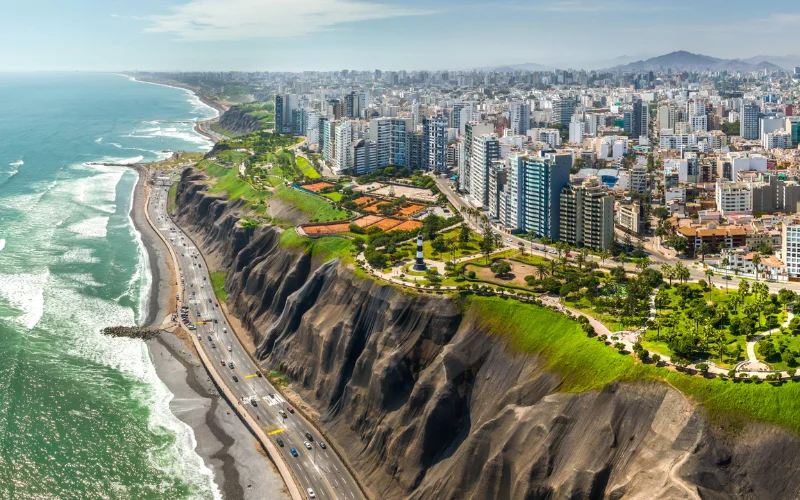
Lima Travel Guide
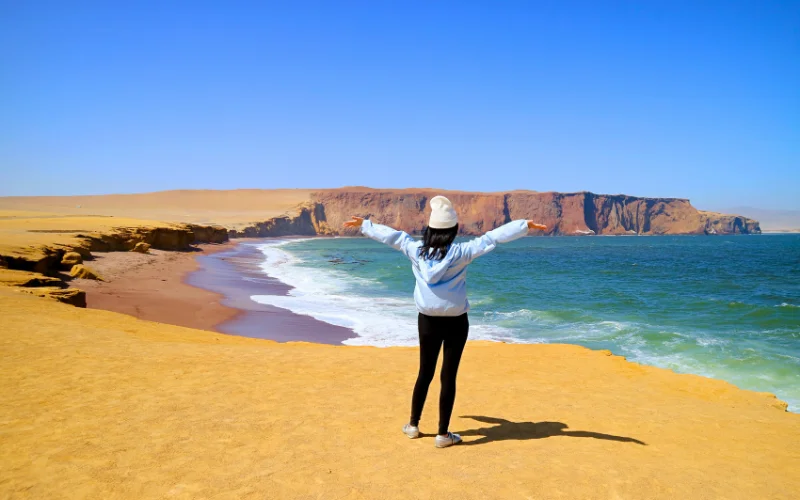
Paracas Travel Guide
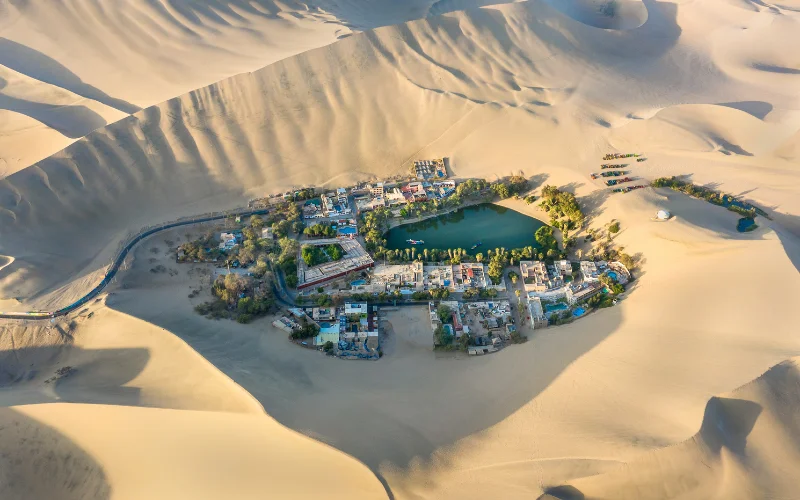
Huacachina Travel Guide
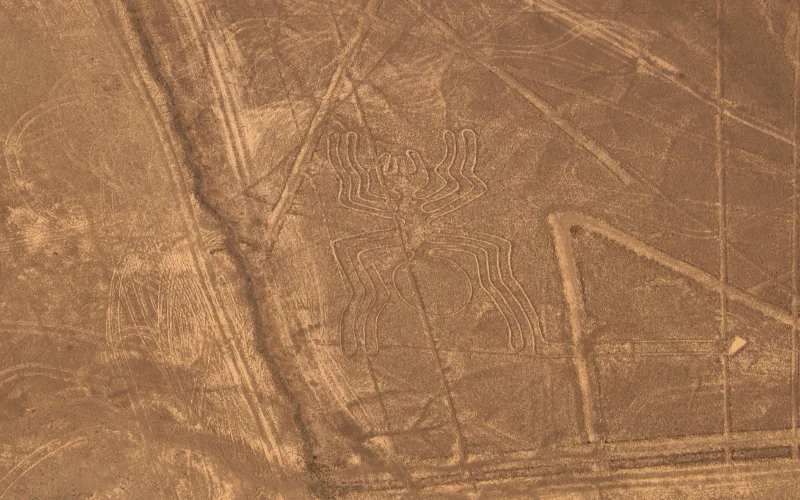
Nazca Travel Guide
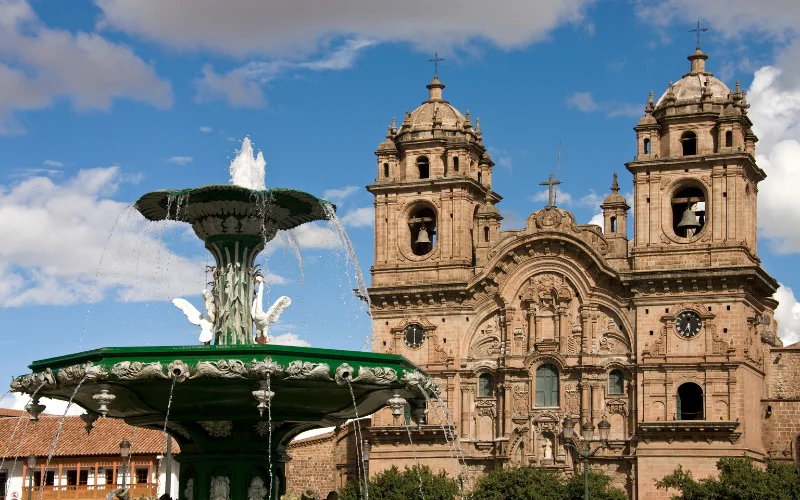
Cuzco Travel Guide
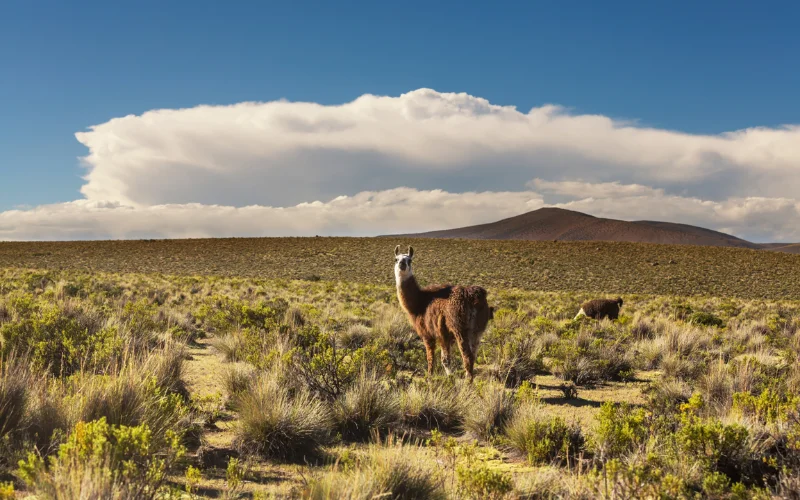
Peru Travel Guide
Ways to Experience Arequipa


Ready to Discover Arequipa?
Experience the White City Beyond the Highlights
Explore Arequipa through its historic streets, traditional food, volcanic landscapes and the spectacular Colca region.
Ways to Experience Arequipa
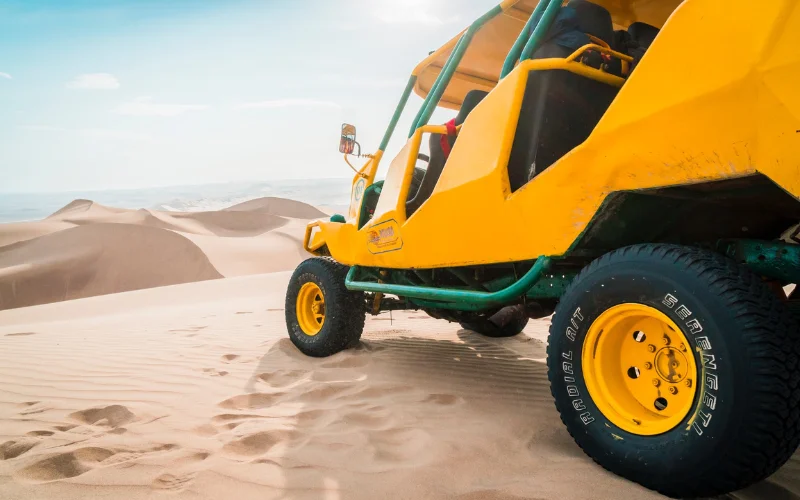
View All Day Trips
Discover unforgettable places and experiences, even on a tight schedule.
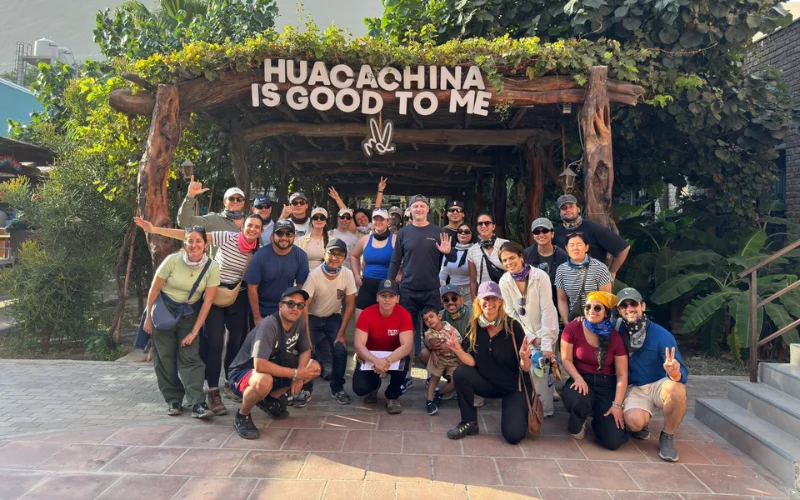
View All Packages
Experience more of Peru with our expertly crafted travel packages.
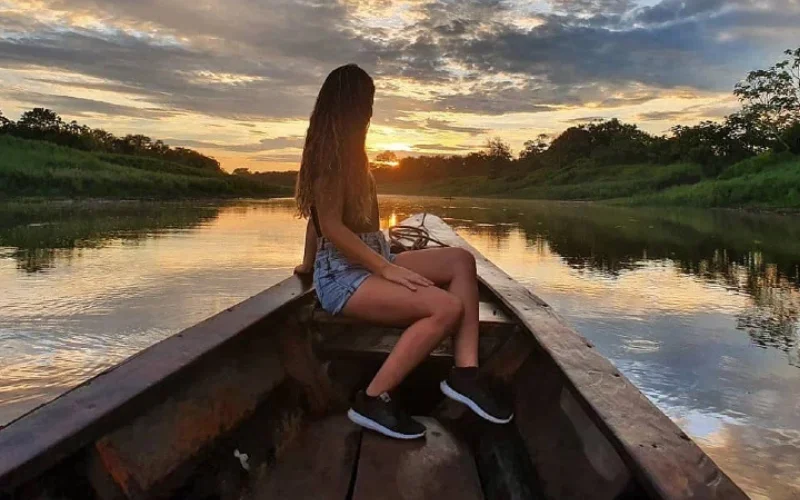
View All Amazon Experiences
Explore the Amazon rainforest, discover incredible wildlife, and connect with nature.
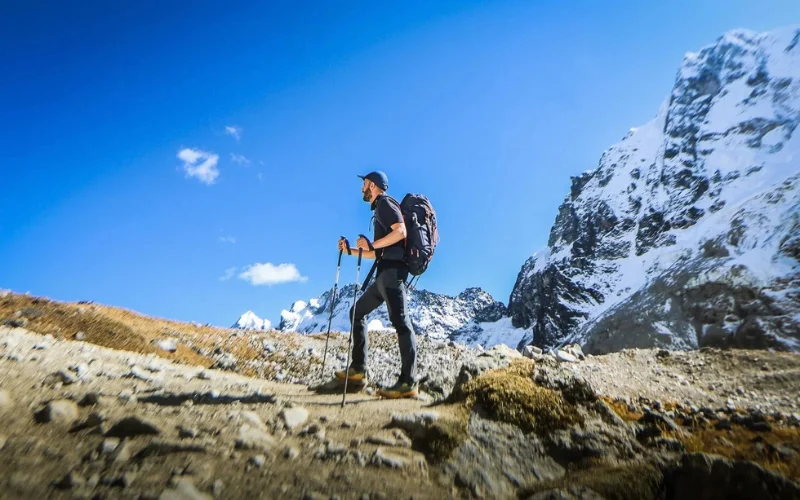
View All Treks
Hike Peru’s most spectacular trails and discover the Andes on foot.