

Paracas
Paracas Travel Guide
Paracas is one of Peru’s most distinctive coastal destinations, where the Pacific Ocean meets a vast desert landscape filled with marine wildlife, protected ecosystems, archaeological heritage and dramatic coastal scenery.
Located in the Ica region, Paracas is best known for two major experiences: the Ballestas Islands, where visitors can observe sea lions, Humboldt penguins and seabirds from the water, and the Paracas National Reserve, where desert landscapes meet the Pacific coastline.
Just a few hours south of Lima, Paracas is also an easy starting point for exploring other destinations in southern Peru, including Huacachina and Nazca.
This Paracas travel guide explains what to see, how to get there, how long to stay, when to visit, where to stay, what to pack and how to combine Paracas with the rest of your Peru itinerary.
Paracas at a Glance
📍 Location: Pisco Province, Ica Region, Peru
🚗 From Lima: Approximately 3.5–4 hours by road
🏝️ Known for: Ballestas Islands, Paracas National Reserve, Candelabra and coastal desert
🦭 Main wildlife: Sea lions, Humboldt penguins and seabirds
☀️ Climate: Dry coastal desert climate
🚤 Main activities: Boat tours, wildlife watching, sightseeing, hiking and adventure activities
🏨 Recommended stay: 1–2 days
📸 Best for: Nature, wildlife, photography, adventure and short trips from Lima
🗺️ Nearby destinations: Huacachina, Ica and Nazca
Paracas can be visited throughout the year. The Ballestas Islands have a dry climate with scarce rainfall and an average annual temperature of around 22°C according to SERNANP
Why Visit Paracas?
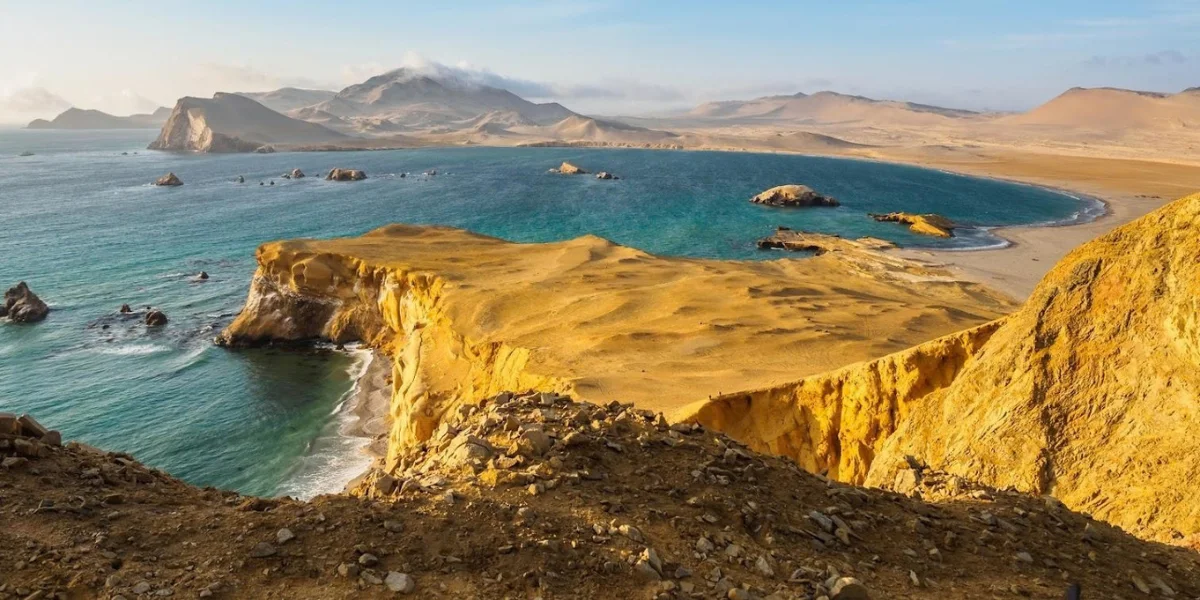
Paracas offers something that is difficult to find elsewhere in Peru: marine wildlife, desert scenery and archaeological heritage within the same destination.
The Pacific coastline is home to important marine ecosystems, while the surrounding desert creates dramatic landscapes of cliffs, beaches, dunes and wind-shaped formations.
A visit to Paracas can include:
- A boat trip to the Ballestas Islands
- Wildlife watching
- The Paracas Candelabra
- The Paracas National Reserve
- Coastal viewpoints
- Desert landscapes
- Beaches and bays
- Archaeological and cultural sites
- Outdoor and adventure activities
- Fresh seafood and coastal cuisine
Its location also makes Paracas particularly convenient for travelers following the classic southern Peru route:
Lima → Paracas → Huacachina → Nazca → Arequipa
Paracas National Reserve
What Is the Paracas National Reserve?
The Reserva Nacional de Paracas protects one of Peru’s most important coastal desert and marine ecosystems. The reserve combines desert, coastline, beaches, cliffs and marine environments, creating a landscape where the Pacific Ocean and the desert meet.
SERNANP currently lists the reserve at approximately 335,000 hectares, making it one of Peru’s major protected natural areas. The reserve is not simply a scenic drive along the coast. It protects important ecosystems and provides habitat for a wide variety of marine and terrestrial species.
Wildlife & Marine Ecosystems
The Paracas region is influenced by the Humboldt Current, one of the most important marine ecosystems along the Pacific coast of South America.
Depending on the location and season, visitors may encounter:
- Sea lions
- Humboldt penguins
- Seabirds
- Migratory birds
- Marine species
- Coastal wildlife
The nearby Ballestas Islands are particularly important for marine wildlife and seabird colonies.
Best Places to See in the Reserve
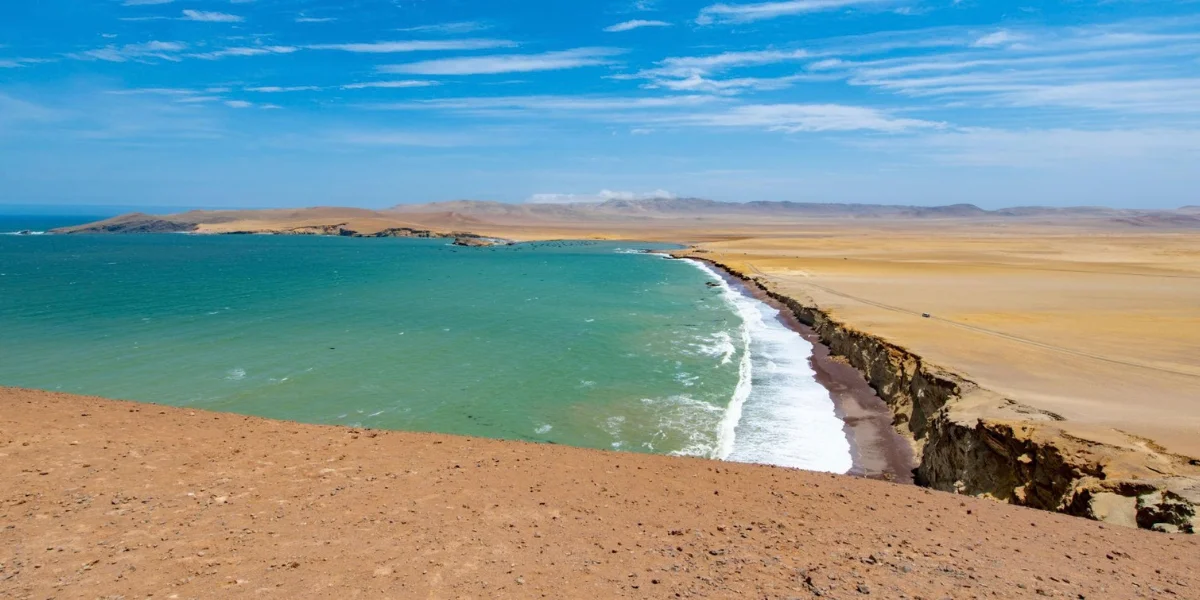
Some of the landscapes most associated with Paracas include:
Playa Roja
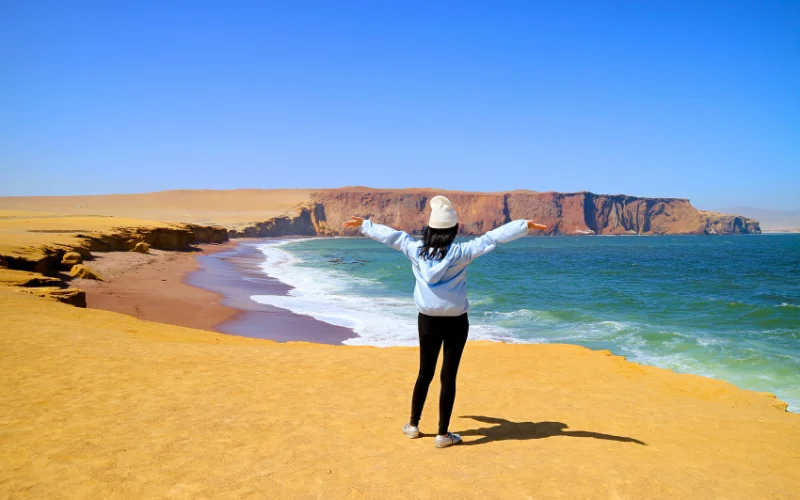
Playa Roja is known for the striking contrast between its reddish sand, golden cliffs and blue Pacific waters.
It is one of the most recognizable landscapes within the Paracas National Reserve.
Playa La Mina
A sheltered coastal landscape surrounded by cliffs and desert scenery.
Playa Yumaque
A scenic bay within the reserve and one of the locations commonly included on Paracas sightseeing routes.
Coastal Viewpoints
The reserve has several viewpoints where the desert landscape opens toward the Pacific Ocean.
These viewpoints are particularly valuable for photography because they show the dramatic transition between desert and sea.
How to Explore the Paracas National Reserve
Depending on your itinerary and current access conditions, the reserve can be explored by:
- Guided tour
- Private vehicle
- Bicycle
- Organized adventure excursion
If you are visiting for the first time, a guided route can make the most of the reserve because distances between attractions are significant and local guides can explain the area’s geography, wildlife and history.
SERNANP currently lists the Santo Domingo control point as an access point and publishes current visitor hours and entrance fees on its official information page. Conditions and tariffs can change, so verify the current information before traveling.
EDITOR NOTE: Aquí pondremos posteriormente un pequeño «Current Entrance Information» box con tarifa/horarios actualizados, no dentro del texto principal. Esto evita que un cambio de precio obligue a reescribir toda la página.
Ballestas Islands
What Are the Ballestas Islands?
The Ballestas Islands are a group of rocky islands off the coast of Paracas and one of the most popular wildlife experiences in southern Peru.
They belong to the Reserva Nacional Sistema de Islas, Islotes y Puntas Guaneras, not the Paracas National Reserve.
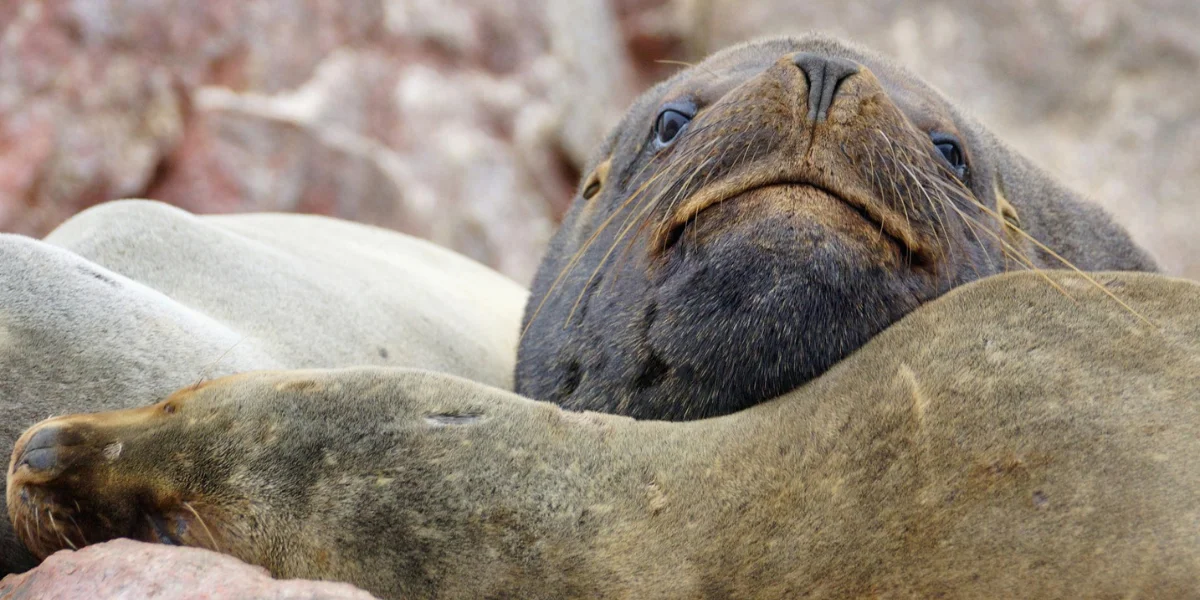
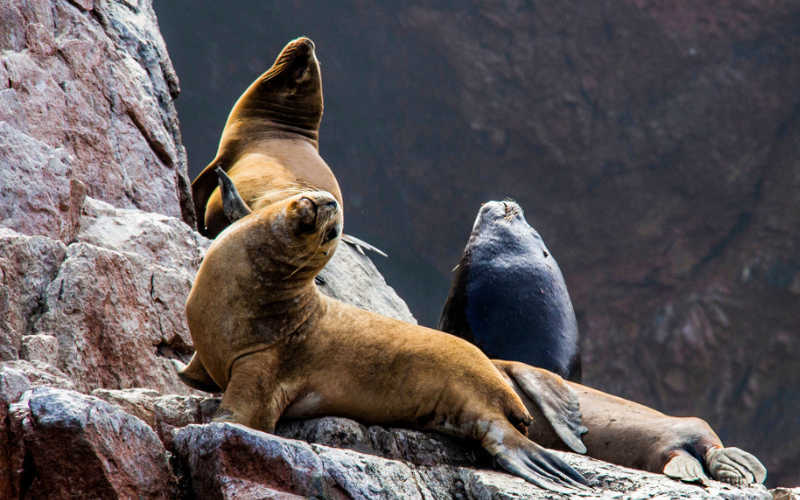
The islands are shaped by marine erosion and provide important habitat for sea lions, Humboldt penguins and numerous seabirds.
Wildlife You Can See
A typical boat excursion may allow you to observe:
- South American sea lions
- Humboldt penguins
- Peruvian boobies
- Guanays
- Pelicans
- Other seabirds
SERNANP identifies the islands as an important habitat for marine mammals and birds and describes wildlife observation and boat excursions as principal visitor activities.
Wildlife is wild and conditions vary, so sightings cannot be guaranteed.
How the Ballestas Boat Tour Works
Most visitors experience the Ballestas Islands from a boat departing from the Paracas area.
The excursion takes you around the islands without landing on them.
From the boat, visitors can observe:
- Marine wildlife
- Rock formations
- Bird colonies
- Sea lions
- Humboldt penguins
- The coastal landscape
SERNANP currently describes the Ballestas tourist route as a boat-based experience and recommends approximately one day for the broader destination experience.
Best Time to Visit Ballestas
The Ballestas Islands can be visited throughout the year.
SERNANP currently lists the recommended visiting season as all year, with a dry climate and scarce rainfall.
Morning departures are common and are a practical choice because they fit naturally into a full-day Paracas itinerary.
However, sea conditions can change, so boat departures may be affected by weather or marine conditions.
Responsible Wildlife Watching
Paracas is an important wildlife destination, so visitors should help protect the ecosystem.
During your Ballestas excursion:
- Do not feed the animals.
- Do not attempt to touch wildlife.
- Avoid loud noises.
- Follow your guide’s instructions.
- Keep your life jacket on as instructed.
- Do not throw anything into the sea.
- Avoid single-use plastics where possible.
- Do not bring pets into protected wildlife areas.
These recommendations are consistent with SERNANP’s visitor guidance for Ballestas.
The Paracas Candelabra
What Is the Candelabra?
The Paracas Candelabra is a large geoglyph carved into the desert landscape of the Paracas Peninsula.
It is one of the most recognizable symbols of the region and can be observed from the sea during excursions toward the Ballestas Islands.
The geoglyph is associated with the archaeological landscape of Paracas, although its exact origin and purpose remain debated.
Where Is the Candelabra?
The Candelabra is located on the Paracas Peninsula, facing the Pacific Ocean.
Its position on the coastal slope allows visitors to view it from boats approaching the area.
How Can You See It?
The easiest way for most travelers to see the Candelabra is during a Ballestas Islands boat excursion.
Because the geoglyph is viewed from the water, it can be combined naturally with a wildlife excursion.
What Do We Know About Its Origin?
The origin and purpose of the Candelabra remain subjects of archaeological discussion.
Rather than presenting one theory as fact, it is better to view the geoglyph as part of the broader archaeological heritage of the Paracas Peninsula.
It is also important not to confuse the Candelabra with the Nazca Lines, which are a separate archaeological phenomenon located much farther south.
Best Things to Do in Paracas
1. Visit the Ballestas Islands: Take a boat excursion to observe sea lions, Humboldt penguins and seabirds in their natural environment.
2. Explore the Paracas National Reserve: Travel through the coastal desert and discover cliffs, beaches, viewpoints and dramatic Pacific landscapes.
3. See the Paracas Candelabra: Combine the Candelabra with your Ballestas boat excursion.
4. Visit Playa Roja: See one of the most distinctive coastal landscapes in the reserve, where reddish sand contrasts with the surrounding cliffs and ocean.
5. Visit Playa La Mina: Explore one of the reserve’s scenic coastal areas surrounded by cliffs and desert.
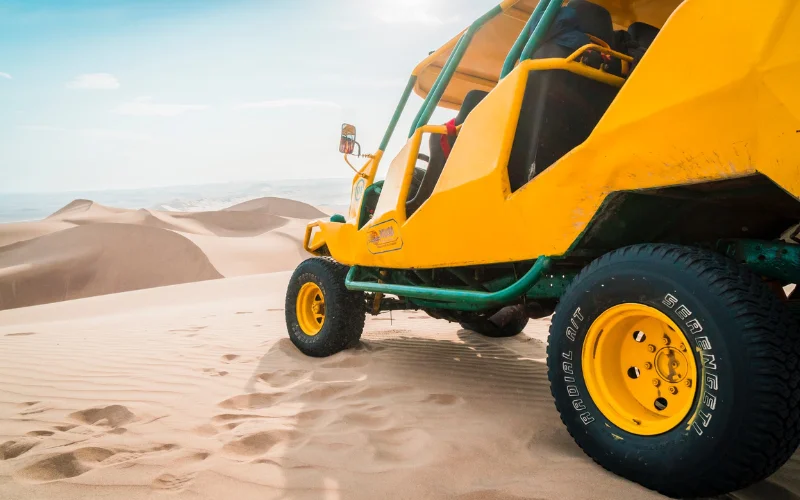
6. Explore Paracas by Bike or Adventure Vehicle: For travelers looking for a more active experience, cycling and organized adventure excursions offer alternative ways to explore the reserve.
7. Discover Paracas Archaeology: Learn about the ancient Paracas civilization and the archaeological heritage of the region.
8. Enjoy Paracas’ Coastal Cuisine: Paracas is a natural place to experience Peru’s Pacific seafood traditions, including fresh fish, ceviche and other coastal dishes.
9. Enjoy the Sunset: The combination of desert, cliffs and Pacific Ocean creates excellent conditions for sunset photography and slower-paced coastal experiences.
Ballestas Island
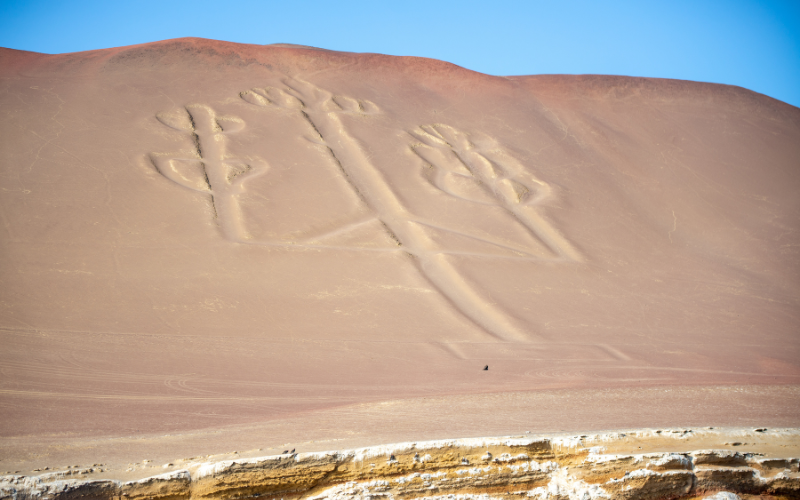
The Candelabra Geoglyph
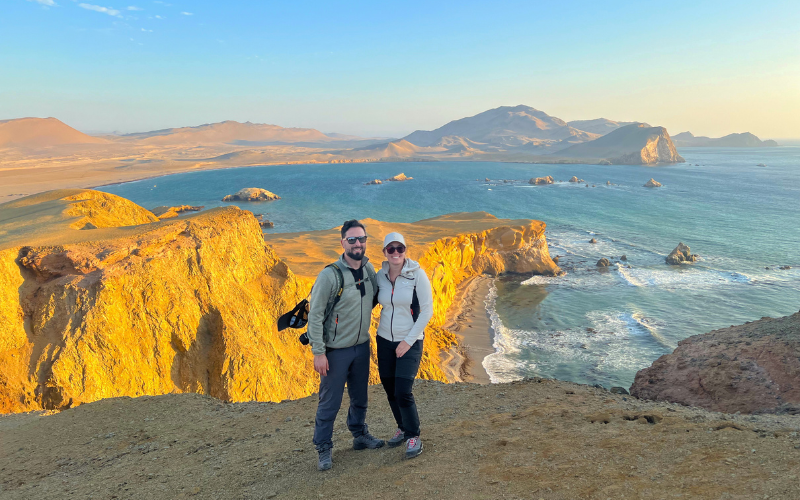
Golden Shadow Trek
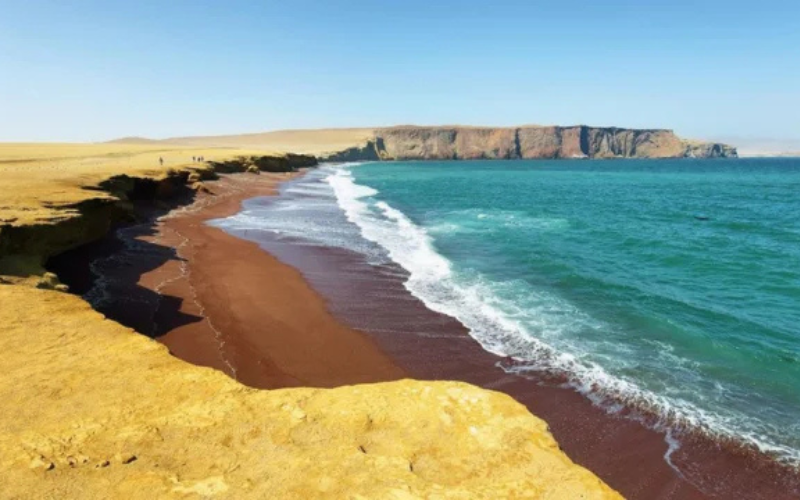
Paracas National Reserve
Paracas Archaeology & Culture
Paracas is not only a nature destination.
The region was also home to the Paracas civilization, an ancient culture known for its textiles, ceramics, burial traditions and archaeological discoveries.
For travelers interested in Peru’s pre-Columbian history, this adds another dimension to a visit.
The Museo de Sitio Julio C. Tello is an important place to learn more about the archaeological heritage of the Paracas Peninsula.
This cultural dimension should remain part of the destination story rather than presenting Paracas only as a beach or wildlife destination.
Best Time to Visit Paracas
Paracas has a dry coastal desert climate and can be visited throughout the year.
SERNANP currently describes the Paracas area as dry and relatively clear, with a wide temperature range depending on conditions. Ballestas is also listed as a year-round destination.
December to April
These months generally bring warmer coastal conditions.
They can be attractive for:
- Coastal activities
- Beach experiences
- Outdoor excursions
- Warmer evenings
- Combining Paracas with Huacachina
May to November
Conditions tend to be cooler and can be windier or more overcast.
However, this does not make Paracas unsuitable for travel.
Ballestas and the reserve remain year-round destinations.
What matters more than the month?
For Paracas, consider:
- Wind
- Sea conditions
- Your boat departure
- Your planned activities
- Your wider Peru itinerary
How Many Days Do You Need in Paracas?
One Day in Paracas
One day is enough for the classic highlights.
A typical itinerary can include:
- Morning: Ballestas Islands
- Late morning / afternoon: Paracas National Reserve
- Afternoon: Playa Roja and coastal viewpoints
- Evening: Continue toward Huacachina, Ica or return to Lima depending on your itinerary.
Two Days in Paracas
Two days allow you to explore at a slower pace.
Day 1
- Ballestas Islands
- Candelabra
- Paracas waterfront
- Seafood lunch
- Sunset
Day 2
- Paracas National Reserve
- Playa Roja
- Playa La Mina
- Additional viewpoints
- Archaeological or cultural experience
Three Days in Paracas
Three days allow you to combine Paracas with nearby destinations.
For example:
- Day 1: Ballestas + Paracas
- Day 2: Paracas Reserve + coastal exploration
- Day 3: Huacachina / Ica or Nazca depending on your route
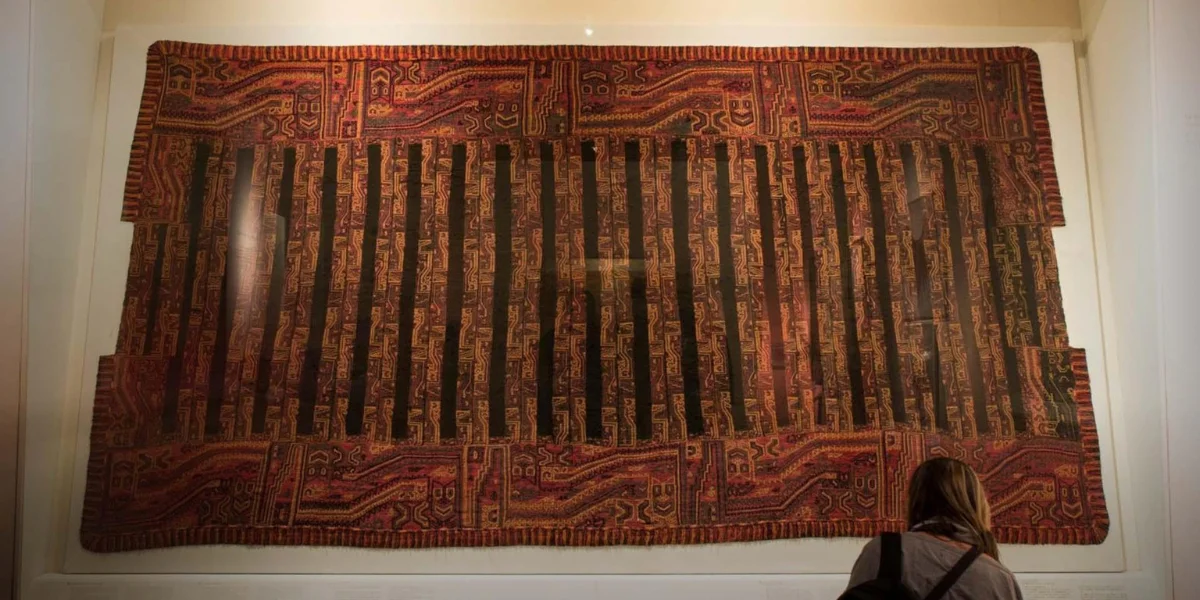
Paracas Itineraries
One-Day Paracas Itinerary
Ballestas Islands → Paracas National Reserve → Playa Roja → Continue to Huacachina or Lima
This is the most efficient option for travelers with limited time.
Two-Day Paracas Itinerary
- Day 1: Ballestas Islands + Candelabra + Paracas town
- Day 2: Paracas National Reserve + beaches + viewpoints
Paracas & Huacachina
Combining Paracas with Huacachina is one of the most common ways to explore Peru’s southern coast.
The contrast is particularly attractive:
Paracas: Ocean + wildlife + desert
Huacachina: Oasis + dunes + sandboarding
Paracas, Huacachina & Nazca
Travelers with more time can continue south toward Nazca.
This creates a route combining:
- Marine wildlife
- Coastal desert
- Huacachina oasis
- Sandboarding
- Dune buggy experiences
- Nazca Lines
How to Get to Paracas
Lima to Paracas
Paracas is approximately 259 km south of Lima, with a road journey of around 3.5 hours, depending on traffic and transport. SERNANP currently lists approximately 3.5 hours from Lima.
You can travel by:
- Intercity bus: Wayki Bus
- Private transfer
- Rental car
- Organized tour
Bus travel is a practical option for independent travelers, while private transfers and tours can simplify a multi-stop itinerary.
Ica to Paracas
Paracas is approximately 71 km from Ica, with SERNANP listing approximately one hour by road.
This makes it easy to combine: Paracas + Ica + Huacachina
Best Way: Wayki Bus
Huacachina to Paracas
Huacachina is near Ica, making Paracas and Huacachina a natural combination.
Travelers commonly visit:
Lima → Paracas → Huacachina → Ica → Nazca
or reverse the route depending on their itinerary.
Nazca to Paracas
Paracas can also be incorporated into a southbound itinerary toward Nazca and Arequipa.
Where to Stay in Paracas
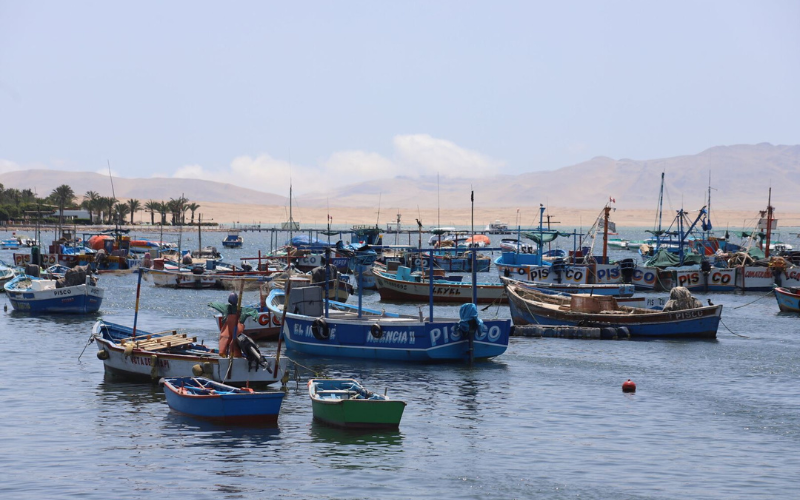
Most visitors stay around the Paracas waterfront and El Chaco area, which provides convenient access to restaurants, the waterfront and boat excursions.
El Chaco / Paracas Town
Best for:
- Independent travelers
- Restaurants
- Walkability
- Access to boat excursions
- Budget and mid-range accommodation
Waterfront & Resort Area
Best for:
- Couples
- Families
- Travelers seeking a quieter stay
- Resort-style accommodation
How long should you stay?
For most itineraries:
1 night is enough to experience the major attractions.
Stay 2 nights if you prefer a slower itinerary or want to combine wildlife, reserve exploration and cultural experiences.
Food & Local Culture
Paracas is strongly connected to Peru’s Pacific coastal cuisine.
Look for:
- Fresh fish
- Ceviche
- Seafood
- Chicharrón de pescado
- Tiraditos
- Pisco-based drinks
Because Paracas is a fishing and coastal destination, seafood is one of the most natural ways to experience the region.
For food safety and restaurant choices, prioritize establishments with good hygiene practices and appropriate food handling.
Practical Paracas Travel Tips
Bring Layers
Paracas can feel warm under the sun but noticeably cooler and windier near the ocean, especially during early morning boat excursions.
Bring:
- Light jacket
- Windbreaker
- Comfortable clothing
Protect Yourself From the Sun
Bring:
- Sunscreen
- Sunglasses
- Hat
- Reusable water bottle
The desert environment provides little natural shade.
Prepare for Wind
The word Paracas itself is associated with the strong coastal winds of the area.
A windbreaker is one of the most useful items to pack.
Bring Motion-Sickness Medication If Needed
Boat excursions can be uncomfortable for travelers sensitive to motion.
If you are prone to seasickness, consider taking appropriate medication according to professional medical advice before your excursion.
Carry Some Cash
Although many tourist businesses accept cards, having Peruvian soles available can be useful for smaller purchases, snacks, tips and other expenses.
Wear Comfortable Shoes
You will likely walk over uneven surfaces during reserve visits and sightseeing.
Bring a Small Daypack
A practical daypack should contain:
- Water
- Sunscreen
- Sunglasses
- Camera
- Light jacket
- Personal essentials
Paracas for Different Travelers
Paracas for Families
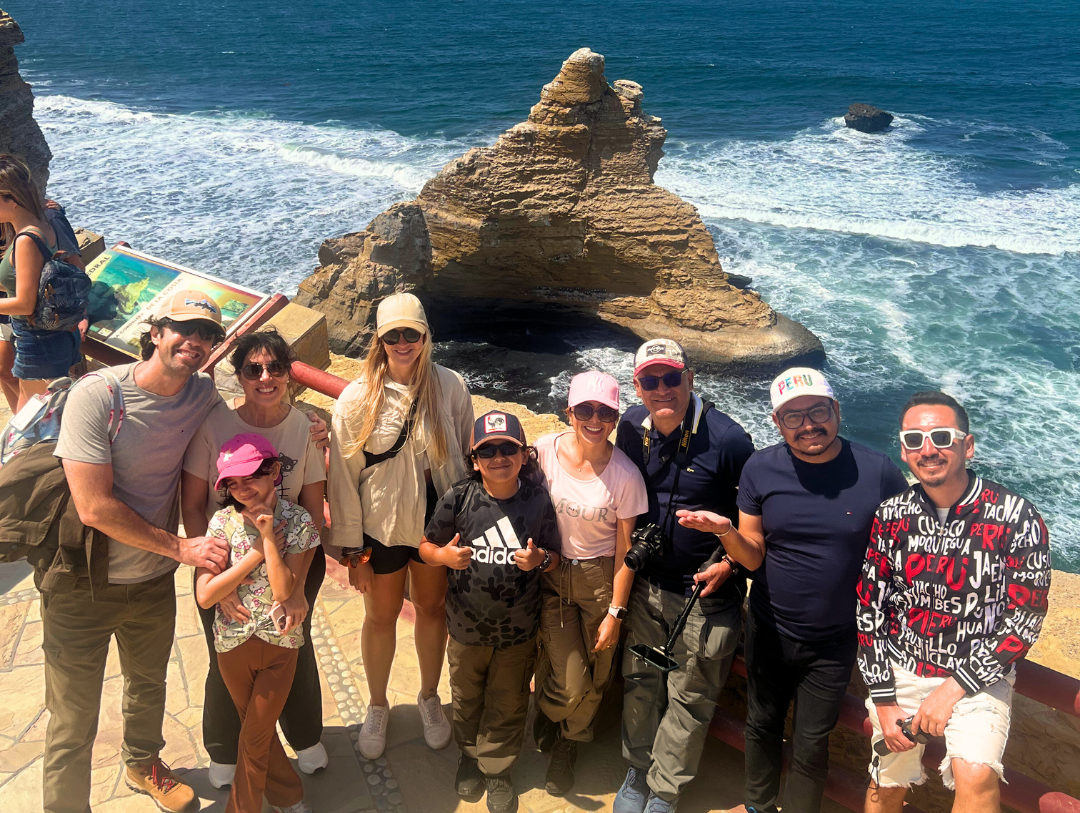
Ballestas and the reserve offer different types of experiences within a relatively compact itinerary.
Families should consider:
- Boat conditions
- Children’s tolerance for boat travel
- Sun exposure
- Wind
- Walking requirements
Paracas for Couples
Paracas works well for travelers looking for:
- Coastal scenery
- Sunset experiences
- Seafood
- Wildlife
- Boutique or resort accommodation
Paracas for Adventure Travelers
Adventure options can include:
- Cycling
- Hiking
- Dune experiences
- Water sports
- Organized adventure excursions
Paracas for Wildlife Lovers
The Ballestas Islands are the obvious highlight.
The main attraction is observing marine wildlife in its natural environment rather than visiting a captive-animal attraction.
Paracas for Photographers
Paracas offers exceptional contrasts:
- Blue ocean + desert
- Red sand + golden cliffs
- Wildlife + dramatic rock formations
- Sunrise and sunset + coastal landscapes
It is one of the easiest destinations in Peru for combining landscape and wildlife photography in a short itinerary.
Responsible Tourism in Paracas
Paracas is a protected natural environment, so responsible travel matters.
When visiting:
- Do not feed wildlife.
- Do not touch animals.
- Do not leave waste behind.
- Avoid single-use plastics.
- Follow protected-area rules.
- Respect local communities.
- Use authorized tourism services where required.
- Follow your guide’s instructions.
- Avoid disturbing birds and marine mammals.
SERNANP specifically recommends avoiding feeding marine wildlife, reducing single-use plastics, keeping the area clean and avoiding noises that disturb animals.
Peru Travel also recommends using authorized tourism operators and following wildlife-watching guidelines.
Frequently Asked Questions About Paracas
Is Paracas worth visiting?
Yes. Paracas combines marine wildlife, desert landscapes, archaeological heritage and outdoor experiences within an easily accessible destination south of Lima.
How many days do you need in Paracas?
One full day is enough for the main highlights, while two days allow a more relaxed experience.
Can you visit Paracas as a day trip from Lima?
Yes. Paracas is approximately 3.5–4 hours from Lima by road, making it possible as a long day trip.
Are the Ballestas Islands inside the Paracas National Reserve?
No. They are separate protected areas. Ballestas belongs to the Reserva Nacional Sistema de Islas, Islotes y Puntas Guaneras, while Paracas National Reserve is a separate protected area.
What animals can you see in Ballestas?
Commonly observed wildlife includes sea lions, Humboldt penguins and numerous seabirds. Sightings vary according to conditions.
Can you visit Ballestas all year?
Yes. SERNANP currently lists Ballestas as a year-round destination. Boat departures can still depend on marine and weather conditions.
What is Paracas famous for?
Paracas is famous for the Ballestas Islands, Paracas National Reserve, the Candelabra geoglyph, marine wildlife and its desert-meets-ocean landscapes.
What is the best time to visit Paracas?
Paracas can be visited year-round. The coast is generally warmer from December to April, while cooler and windier conditions are common during other months.
How far is Paracas from Lima?
Paracas is approximately 259 km south of Lima, with a road journey of around 3.5 hours under normal conditions.
Can you combine Paracas and Huacachina?
Yes. Paracas and Huacachina are commonly combined because they offer very different experiences: marine wildlife and coastal desert in Paracas, followed by dunes, sandboarding and the oasis at Huacachina.
Is Paracas safe for tourists?
Paracas is a major tourist destination, but normal travel precautions still apply. Use reputable transportation and tour operators, protect your belongings and follow instructions when visiting protected areas and participating in boat or adventure activities.
Plan Your Paracas Trip
1. Choose Your Travel Dates: Check the weather, sea conditions and your wider Peru itinerary.
2. Decide How Long to Stay: Choose between: 1 day, 2 days or 3 days
3. Book Your Ballestas Experience: Reserve your boat excursion if it is a key part of your itinerary.
4. Plan the National Reserve: Decide whether you want:
- Guided tour
- Private vehicle
- Bicycle
- Adventure experience
5. Choose Where to Stay: Stay around El Chaco for convenience or choose a resort-style property for a more relaxed experience.
6. Connect Paracas With Your Next Destination: Continue toward:
- Huacachina
- Ica
- Nazca
- Arequipa
- or return to Lima.
7. Check Current Conditions: Before traveling, verify current:
- Entrance fees
- Protected-area schedules
- Boat operations
- Weather
- Road conditions
- Tourism restrictions
Ways to Experience Paracas
Ballestas Islands & Paracas Reserve
Experience Paracas’ two defining landscapes: marine wildlife around the Ballestas Islands and the dramatic desert coastline of the Paracas National Reserve.
Premium Paracas & Huacachina Experience
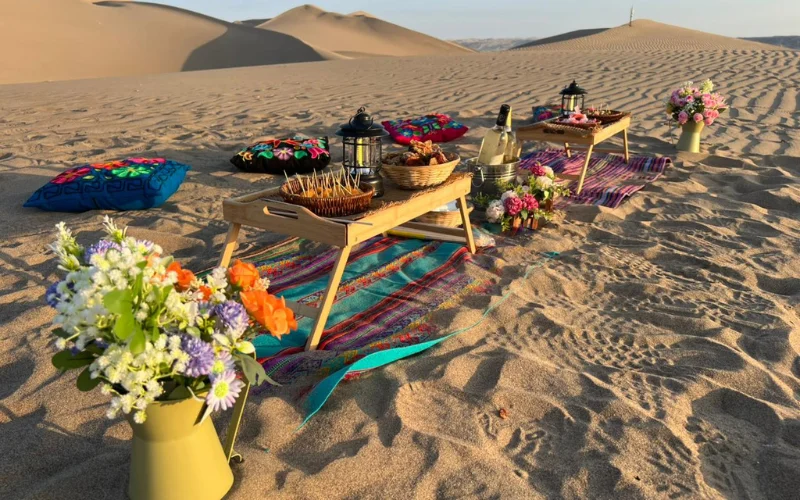
For travelers looking for a more curated experience, combine Ballestas, desert adventure and a sunset experience in one full-day itinerary.

Pro Sandboarding Huacachina
Master professional sandboarding techniques on Huacachina’s giant dunes with specialized equipment and expert instruction for an authentic desert adventure.
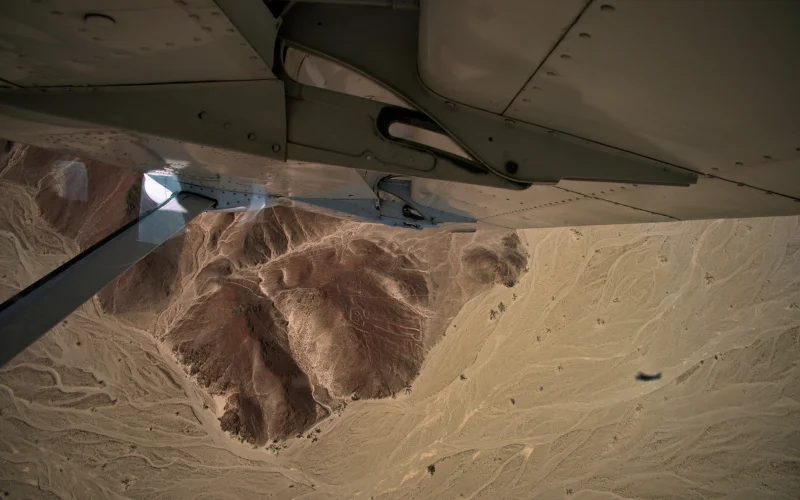
Paracas, Huacachina & Nazca
Extend your southern Peru route with the Nazca Lines after experiencing Paracas and Huacachina.
Explore More of Southern Peru

Huacachina
Explore Peru’s desert oasis, sand dunes, sandboarding and dune buggy adventures.
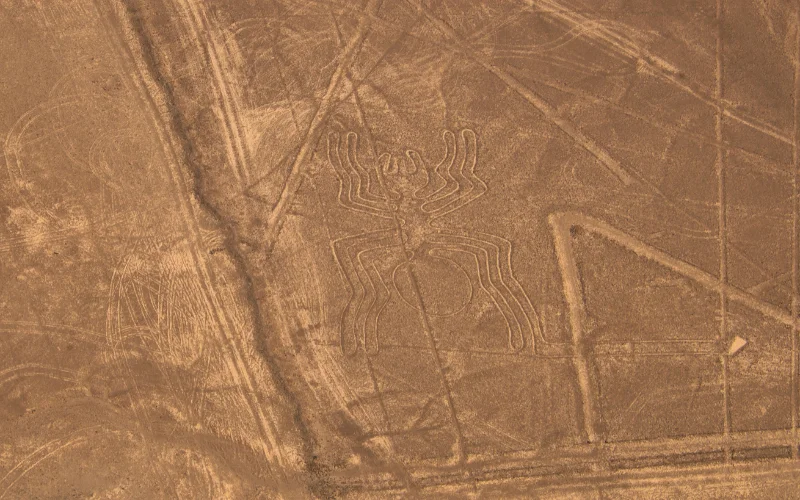
Nazca
Discover the Nazca Lines and the archaeological landscapes of southern Peru.
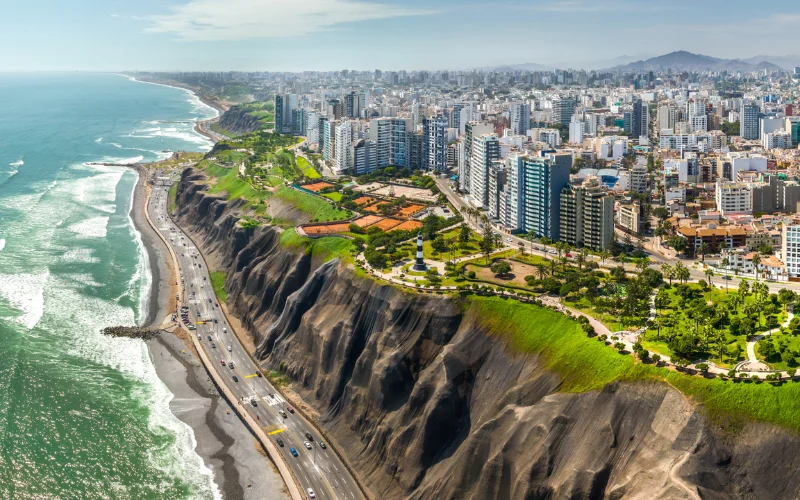
Lima
Start your southern Peru journey from Peru’s capital and Pacific coast.
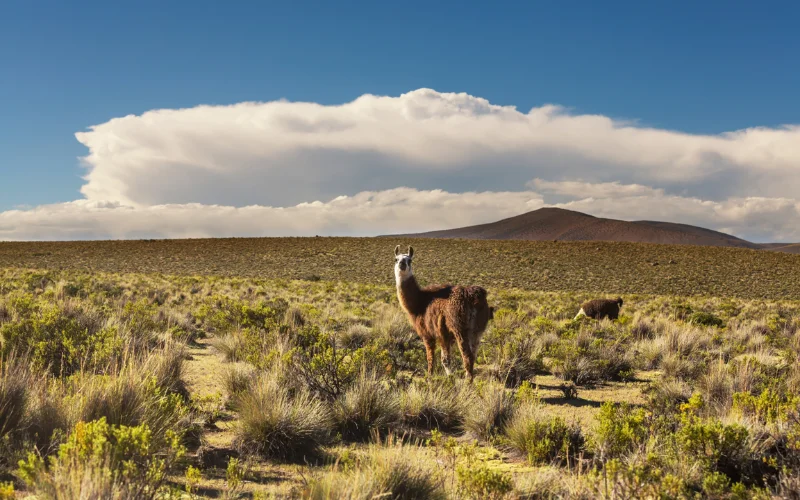
Peru Travel Guide
Explore more destinations and build your Peru itinerary.
Ready to Explore Paracas?
From marine wildlife and protected coastal ecosystems to desert landscapes and ancient heritage, Paracas offers a completely different side of Peru.
Explore the Ballestas Islands, discover the Paracas National Reserve and continue your journey through southern Peru.
DESIGN YOUR PERU TRIP
View All Day Trips
Discover unforgettable places and experiences, even on a tight schedule.
View All Packages
Experience more of Peru with our expertly crafted travel packages.
View All Amazon Experiences
Explore the Amazon rainforest, discover incredible wildlife, and connect with nature.
View All Treks
Hike Peru’s most spectacular trails and discover the Andes on foot.