

Iquitos
Iquitos Travel Guide
Iquitos is the gateway to one of the most fascinating regions of the Peruvian Amazon. Located in Loreto, in northeastern Peru, the city is the starting point for journeys along the Amazon River, rainforest excursions, jungle lodges, river cruises and visits to protected areas such as Pacaya-Samiria National Reserve.
Unlike Puerto Maldonado, which is closely associated with Tambopata and rainforest wildlife, Iquitos offers a different Amazon experience centered around the Amazon River, floodplain forests, river communities and the vast ecosystems of Loreto.
From exploring the historic center and the legacy of the rubber boom to navigating Amazonian waterways and discovering wildlife in the rainforest, Iquitos combines culture, history and nature in a destination unlike anywhere else in Peru.
Whether you are planning a short Amazon escape or adding several days in the rainforest after Cusco and Machu Picchu, this guide explains what to see, how to get there, how many days you need, where to stay, when to visit and how to choose the right Amazon experience.
Explore more destinations in our Peru Travel Guide →
Iquitos at a Glance
📍 Location: Northeastern Peru
🌳 Environment Lowland: Amazon rainforest
🌊 Main river experience: Amazon River
🌿 Main protected area nearby: Pacaya-Samiria National Reserve
✈️ Main airport: Coronel FAP Francisco Secada Vignetta International Airport
📅 Typical stay: 3–5 days
🦜 Known for: Amazon River, rainforest, wildlife, culture and river cruises
🌧️ Climate: Tropical, hot and humid
🛫 Main access: Air from Lima and other Peruvian cities
🚤 Nearby gateway: Nauta for some Pacaya-Samiria routes
Iquitos is one of Peru’s most distinctive destinations because it is not connected to the country’s main road network. For most international travelers, reaching Iquitos means flying into the city before continuing by road and boat toward the rainforest. Peru Travel identifies Iquitos as the capital of Loreto and one of the main starting points for exploring the Amazon River and the surrounding rainforest.
Why Visit Iquitos?
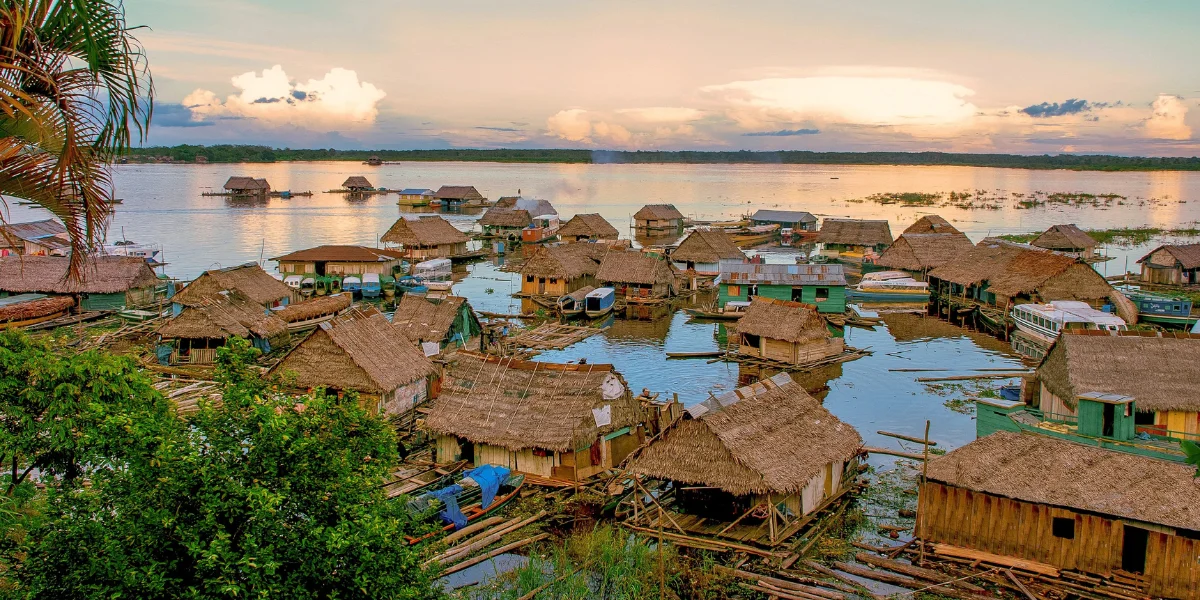
Iquitos offers an Amazon experience that is fundamentally connected to water.
Instead of thinking of the destination simply as a rainforest, imagine a landscape shaped by enormous rivers, blackwater lakes, flooded forests, floating communities, river islands and dense tropical vegetation.
The Amazon River is the defining experience.
From Iquitos, travelers can explore the waterways by boat, stay at jungle lodges, join wildlife excursions, visit local communities and travel deeper into the Amazon toward areas such as Pacaya-Samiria National Reserve.
Iquitos is especially appealing if you want to:
- experience the Amazon River;
- explore the rainforest by boat;
- see pink river dolphins;
- observe monkeys, birds, caimans and other wildlife;
- visit Pacaya-Samiria National Reserve;
- stay at a jungle lodge;
- experience an Amazon river cruise;
- learn about Amazonian cultures;
- explore the history of the rubber boom;
- combine nature with a distinctive Amazonian city.
Iquitos & the Peruvian Amazon
Understanding the relationship between Iquitos, Loreto and the Amazon River makes planning the destination much easier.
Iquitos as an Amazon Gateway
Iquitos is the main urban gateway for travelers exploring the Amazon in Loreto.
The city provides hotels, restaurants, transportation, tour operators and access to river ports before travelers continue deeper into the rainforest.
The Amazon experience therefore usually has two distinct stages:
Iquitos → transportation and preparation
Amazon → rainforest, river, wildlife and lodge experience
This distinction is important when planning how many nights to spend in the city versus outside it.
Loreto
Loreto is Peru’s largest region by area and contains extensive Amazonian ecosystems, rivers and protected natural areas.
Iquitos is its regional capital and an important economic and tourism center.
The wider region includes destinations and protected areas beyond Iquitos, including Pacaya-Samiria and Allpahuayo-Mishana.
The Amazon River
The Amazon River is one of the defining natural features of the region.
From Iquitos, travelers can navigate its waters and explore surrounding tributaries, communities, rainforest and wildlife habitats.
Boat travel is not simply transportation here.
It is part of the Amazon experience itself.
Peru Travel identifies Iquitos as a departure point for journeys into the rainforest along the Amazon River.
What Makes Iquitos Different?
The biggest difference is the relationship between river, rainforest and communities.
Puerto Maldonado is strongly associated with Tambopata and jungle-lodge wildlife experiences.
Iquitos offers a broader river-based experience, including:
- Amazon River navigation;
- floodplain forests;
- river cruises;
- Pacaya-Samiria;
- Amazonian communities;
- wildlife observation;
- cultural experiences;
- historic Amazonian architecture.
That difference will matter when deciding which Amazon destination fits your Peru itinerary.
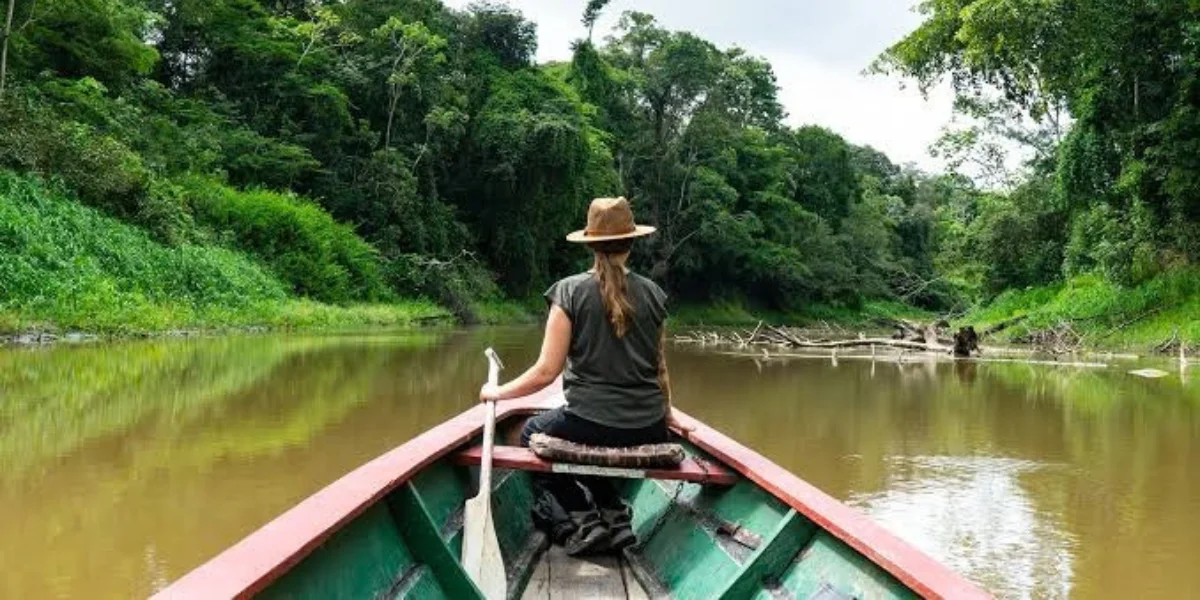
Iquitos History & Cultural Identity
Iquitos is more than an entry point to the rainforest.
Its history is deeply connected to the rivers, trade and the rubber economy that transformed the city during the late nineteenth and early twentieth centuries.
Before the Rubber Boom
Long before Iquitos became an important commercial center, the region was inhabited by Indigenous peoples whose lives were connected to the rivers and forests of the Amazon.
Today, the wider Loreto region remains home to diverse Amazonian communities and cultures.
The Rubber Boom
During the late nineteenth century, the rubber boom brought enormous economic activity to Iquitos.
The city became an important commercial and river port, and wealthy rubber merchants invested in elaborate buildings and imported European architectural elements.
Peru Travel notes that the legacy of this period can still be seen in the city’s historic architecture.
However, the rubber economy also involved severe exploitation and violence against Indigenous populations.
Understanding both sides of this history makes a visit to Iquitos more meaningful.
Iquitos’ Historic Architecture
The historic center contains buildings associated with the city’s rubber-era prosperity.
Look for architectural details around:
- Plaza de Armas;
- Casa de Fierro;
- Malecón Tarapacá;
- historic commercial buildings;
- traditional urban streets.
The architecture provides a fascinating contrast with the rainforest surrounding the city.
Iquitos Today
Modern Iquitos is a busy Amazonian city where mototaxis, river transport, markets, restaurants and traditional neighborhoods coexist with tourism infrastructure.
It is worth spending some time exploring the city before heading deeper into the rainforest.
Best Things to Do in Iquitos

A good Iquitos itinerary should combine city, culture and Amazon experiences rather than treating the city only as a transfer point.
Explore Plaza de Armas
The Plaza de Armas is one of the natural starting points for exploring central Iquitos.
From here, travelers can walk toward important historic buildings, restaurants and streets associated with the city’s commercial past.
Visit Casa de Fierro
Casa de Fierro is one of Iquitos’ best-known architectural landmarks.
Its metal structure is traditionally associated with the city’s rubber-boom period and has become one of the visual symbols of historic Iquitos.
Walk Along Malecón Tarapacá
The Malecón provides views toward the Itaya River and is a pleasant area for walking, especially around sunset.
It is also a good place to understand how closely the city is connected to the surrounding waterways.
Visit Belén Market
Belén is one of the most distinctive areas of Iquitos.
The market reflects everyday commerce in the Amazon and offers an introduction to regional ingredients, fruits, fish, herbs and other products.
Visit respectfully.
This is a functioning neighborhood and market, not a theme park created for tourists.
Explore Belén Neighborhood
The lower Belén area is closely connected to the seasonal behavior of the river.
Some parts of the neighborhood experience changing water levels and traditional forms of river-based living.
Because conditions and safety can vary, travelers should explore the area with a knowledgeable local guide and follow current local advice.
Visit the Amazonian Indigenous Cultures Museum
The museum provides an opportunity to learn more about the cultures and traditions of Indigenous peoples from the Amazon region.
This is particularly useful before participating in a community-based experience because it provides historical and cultural context.
Visit Quistococha
Quistococha is a recreational and nature complex near Iquitos centered around a lagoon and surrounding forest.
Peru Travel includes Quistococha among the attractions visitors can explore around Iquitos.
It can work well as a shorter excursion if you have additional time before or after your rainforest program.
Explore Wildlife Rescue & Conservation
Loreto also has wildlife rescue and conservation initiatives where visitors can learn about Amazonian species and conservation challenges.
Peru Travel highlights the Amazon Rescue Center (CREA) among the region’s conservation-oriented attractions.
Always verify current visiting conditions and responsible-animal-interaction policies before going.

The Belen Market

The Amazon River

Wildlife Watching Tour

Pilpintuwasi Butterfly Farm
Amazon River Experiences from Iquitos
The Amazon River should be one of the central pillars of your Iquitos experience.
Take a River Boat Trip
Boat trips provide a completely different perspective of the Amazon.
Depending on the route, travelers can observe:
- river islands;
- flooded forest;
- birds;
- caimans;
- river dolphins;
- riverside communities;
- tropical vegetation.
Look for Amazon Wildlife
Wildlife observation from boats can be particularly rewarding because many species live along riverbanks, lagoons and flooded forests.
Possible sightings include:
- pink river dolphins;
- caimans;
- monkeys;
- sloths;
- birds;
- river turtles;
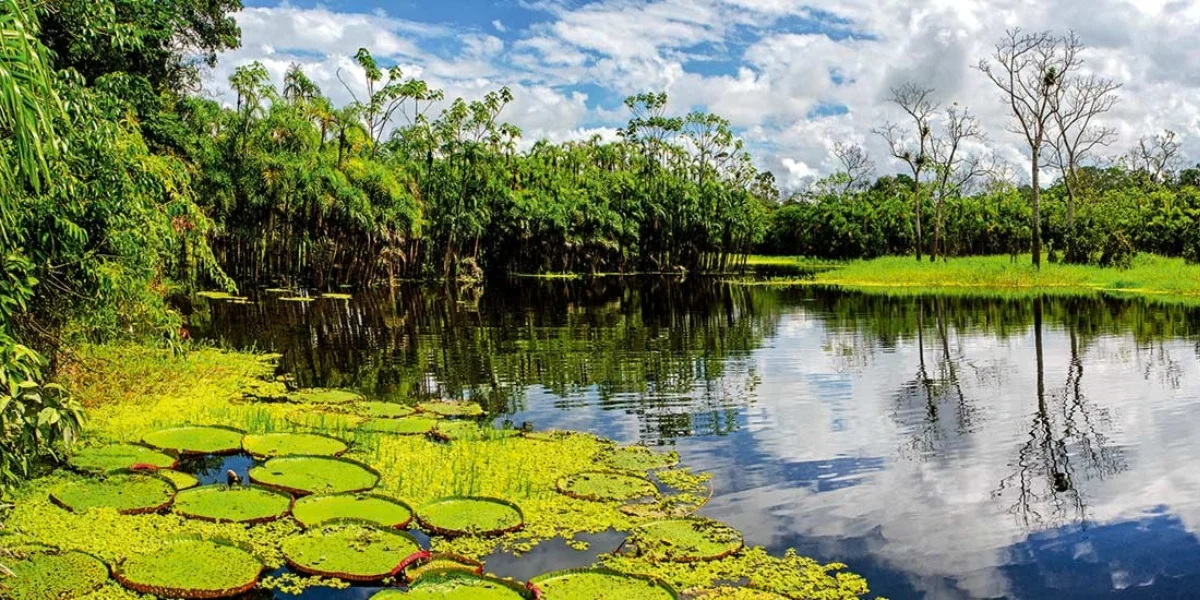
- giant water lilies.
Wildlife sightings are never guaranteed.
Peru Travel specifically highlights pink river dolphins, monkeys and diverse Amazonian flora and fauna among Loreto’s wildlife experiences.
Visit River Communities
The rivers are home to communities whose lives are closely connected to fishing, agriculture, transportation and the forest.
Community visits can provide meaningful cultural experiences when organized respectfully and with local participation.
Experience an Amazon Sunset
Sunset on the Amazon is one of the simplest and most memorable experiences.
Rather than being a separate «tourist attraction,» it is often part of an afternoon boat excursion or lodge itinerary.
Go Fishing
Fishing experiences may be available depending on the location and operator.
If fishing is part of your itinerary, choose responsible operators and follow local conservation rules.
Pacaya-Samiria National Reserve
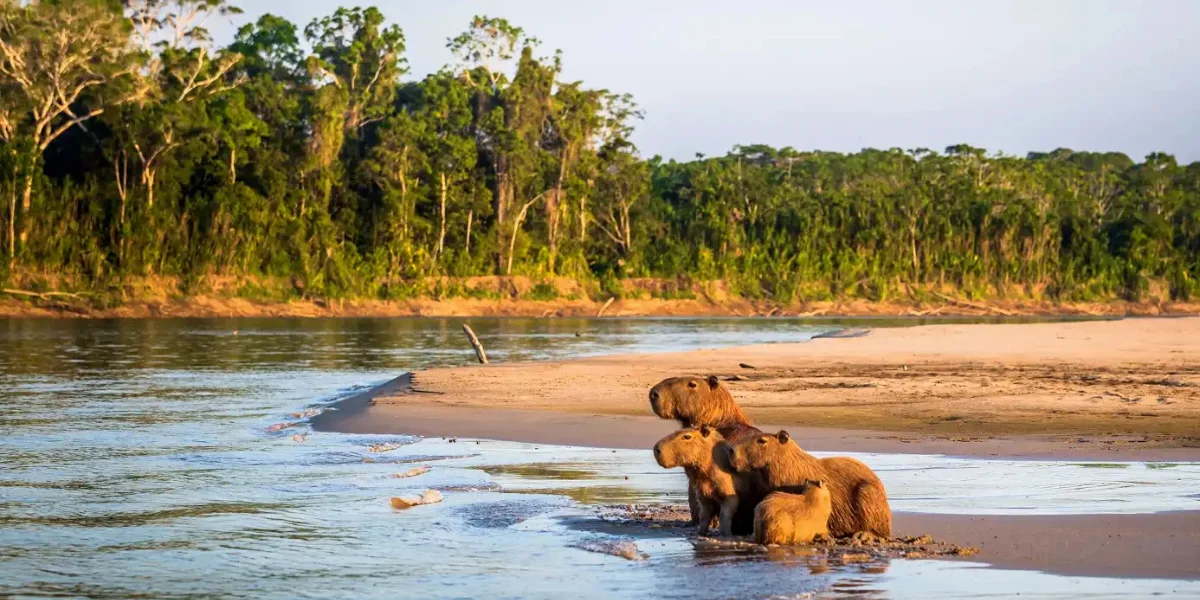
Pacaya-Samiria should be one of the major pillars of any deep Iquitos travel guide.
The reserve covers approximately 2.08 million hectares and protects an extensive network of rivers, lakes and seasonally flooded forests. SERNANP records more than 1,000 vertebrate species within the reserve, including mammals, birds, reptiles, amphibians and fish.
What Is Pacaya-Samiria?
Pacaya-Samiria is one of Peru’s most important protected areas and one of the largest protected natural areas in the country.
Its landscape is strongly influenced by water.
Rivers, channels, oxbow lakes and flooded forests create habitats that change with seasonal water levels.
The Forest of Mirrors
Pacaya-Samiria is sometimes described as the Forest of Mirrors because calm blackwater environments can reflect the surrounding forest on the surface.
This creates one of the most distinctive landscapes in the Peruvian Amazon.
Wildlife in Pacaya-Samiria
The reserve protects an extraordinary range of wildlife.
Depending on the area and conditions, travelers may encounter:
- pink river dolphins;
- caimans;
- monkeys;
- birds;
- paiche;
- manatees;
- river turtles;
- anaconda;
- numerous fish species.
SERNANP specifically highlights species including paiche, manatees, caimans and taricayas.
Oxbow Lakes & Flooded Forests
One of the defining features of Pacaya-Samiria is its network of lakes, channels and flooded forests.
Water levels change the landscape and influence how travelers move through the reserve.
This is one reason why an Amazon trip can feel different depending on the season.
How to Get to Pacaya-Samiria
Some routes involve traveling from Iquitos to Nauta, followed by boat transportation into the reserve.
SERNANP currently describes Iquitos–Nauta as approximately 104 km by road, followed by river access to different sectors of the reserve. Travel times vary substantially depending on the sector.
This is not a destination to plan like a conventional day trip without understanding the logistics.
How Many Days Do You Need in Pacaya-Samiria?
A short visit may be possible in some sectors, but deeper routes require multiple days.
SERNANP lists different tourism routes ranging from approximately one day to several days depending on the sector and access point.
For travelers whose priority is Pacaya-Samiria itself, allowing additional time can make the journey considerably more rewarding.
Responsible Tourism in Pacaya-Samiria
Visitors must follow protected-area regulations.
SERNANP requires visitors to use authorized tourism operators or local tourism groups for entry into the reserve. Visitors should follow ranger instructions, remain on established routes, use life jackets while navigating and avoid disturbing wildlife.
Official resource: Pacaya-Samiria National Reserve — SERNANP
Amazon Wildlife Around Iquitos

One of the biggest reasons to visit Loreto is biodiversity.
But a responsible travel guide should explain that wildlife observation is not a zoo experience.
Animals move freely, and sightings depend on habitat, weather, water levels, time of day and luck.
Pink River Dolphins
Pink river dolphins are among the most iconic animals associated with the Amazon.
They can be observed in some rivers and lakes around Loreto, but sightings cannot be guaranteed.
Monkeys
Several monkey species inhabit the forests around Iquitos.
Forest walks and boat excursions can both offer opportunities for observation.
Sloths
Sloths are sometimes observed in trees along rivers and in rainforest environments.
They are often difficult to spot because they move slowly and blend into vegetation.
Caimans
Caimans inhabit many Amazonian waterways.
Night excursions can provide opportunities to observe them, depending on the location and operator.
Birds
Loreto is particularly rewarding for birdwatchers.
Depending on the habitat, travelers may encounter parrots, macaws, herons, kingfishers, toucans and many other species.
Manatees & Conservation
Amazonian manatees are among the species associated with conservation efforts in Loreto.
Rescue and rehabilitation initiatives can help travelers understand the pressures facing Amazonian wildlife.
What Can You Realistically See?
The best approach is to visit expecting an ecosystem rather than a checklist.
You may see several species in a single day, or spend hours observing mostly birds, insects and vegetation.
Both are authentic Amazon experiences.
Jungle Lodges vs Amazon River Cruises
One of the most important decisions when planning Iquitos is choosing where to sleep.
Staying at a Jungle Lodge
A jungle lodge provides a more immersive rainforest experience.
Depending on its location, activities may include:
- guided walks;
- boat excursions;
- birdwatching;
- night walks;
- fishing;
- wildlife observation;
- community visits.
The further a lodge is from Iquitos, the more important transportation time becomes.
Taking an Amazon River Cruise
River cruises offer a different style of Amazon experience.
Instead of staying in a fixed jungle lodge, travelers sleep aboard the vessel and travel through the river system.
Luxury cruises can combine:
- private accommodation;
- meals;
- guided excursions;
- wildlife observation;
- community visits;
- river navigation.
Peru Travel specifically highlights luxury Amazon cruises operating from Iquitos toward areas associated with Pacaya-Samiria.
Which Is Better for First-Time Visitors?
There is no universal answer.
Choose a jungle lodge if you want more rainforest walking and a stronger land-based immersion.
Choose a river cruise if you prefer comfort, navigation and a more structured expedition experience.
Which Is Better for Families?
Families should compare:
- transfer times;
- cabin arrangements;
- minimum ages;
- activity requirements;
- medical access;
- boat schedules;
- walking distances.
A comfortable lodge or cruise can work very well, but the right choice depends on the ages and interests of the travelers.
Which Is Better for Wildlife?
Both can offer excellent wildlife experiences.
Your results will depend more on route, habitat, guide quality, season and time spent in the Amazon than simply choosing a lodge or cruise.
Amazonian Communities & Cultural Experiences
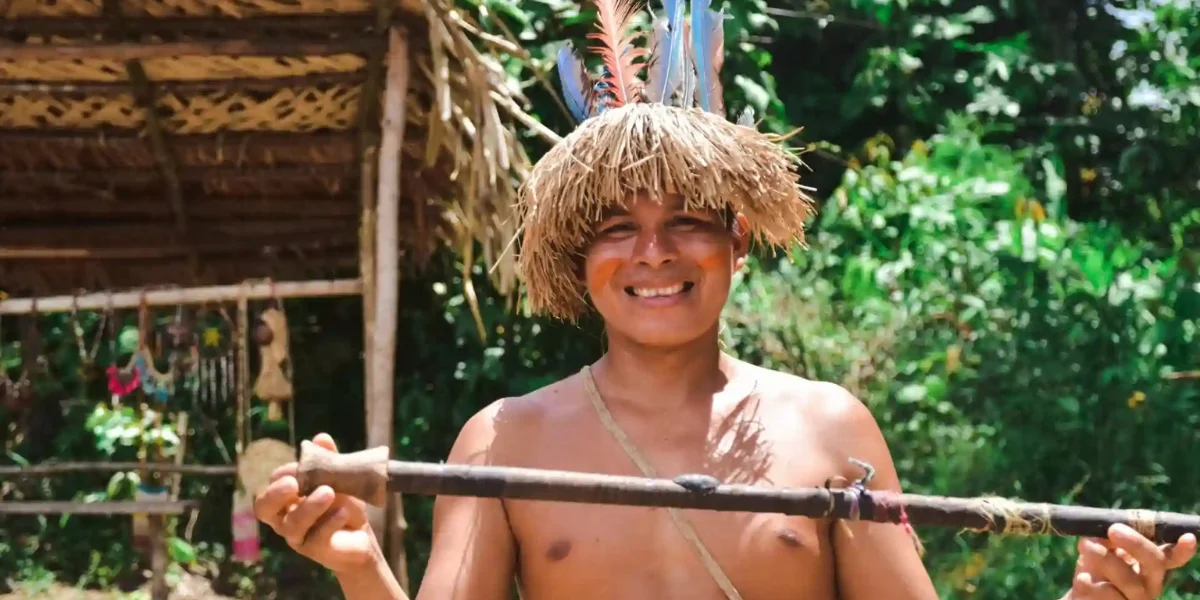
The Amazon is also a cultural landscape.
Travelers should approach community visits as opportunities to learn, not as performances created solely for visitors.
Bora Communities
Bora communities near Iquitos share aspects of their traditions, crafts, music and cultural practices with visitors through organized experiences.
Peru Travel documents cultural experiences involving Bora communities in the Loreto region.
Yagua Communities
Yagua communities also maintain distinctive cultural traditions and knowledge connected to the Amazon.
Experiences may include cultural presentations, crafts and demonstrations.
Kukama Communities
Kukama communities are deeply connected to the rivers and floodplain environments of Loreto.
Their presence provides another perspective on how people have adapted to and lived within the Amazon ecosystem.
How to Travel Responsibly
When visiting Amazonian communities:
- ask before photographing people;
- purchase crafts directly when possible;
- listen rather than treating traditions as entertainment;
- avoid intrusive questions;
- respect community rules;
- follow the guidance of local hosts;
- choose experiences where communities are directly involved.
Best Time to Visit Iquitos
There is no single month that is perfect for every Amazon experience.
Rainfall, river levels and access conditions influence what travelers can do.
May to September
SERNANP currently identifies May through September as the recommended visiting period for Pacaya-Samiria.
This period can offer favorable conditions for many rainforest activities, although tropical rain remains possible.
October to April
SERNANP identifies October through April as the rainy season for Pacaya-Samiria.
Rain does not mean the Amazon stops operating.
Instead, higher water levels can change how travelers move through the forest and waterways.
Water Levels Matter
This is one of the most important concepts to understand before visiting Iquitos.
During different water conditions:
- some channels become navigable;
- flooded forests may become accessible;
- other trails may become less practical;
- wildlife habitats change;
- landscapes look different.
Therefore, «high water» and «low water» are not simply good versus bad seasons.
They produce different Amazon experiences.
Best Time for Wildlife
Wildlife is present year-round.
Your chances of seeing particular animals depend on habitat, season, water level, guide knowledge and luck.
If wildlife is your priority, choose the right location and length of stay rather than relying only on a calendar.
Best Time for Photography
Photographers should consider:
- light;
- water reflections;
- rainfall;
- humidity;
- wildlife activity;
- river levels.
The Amazon can produce exceptional photography in both wet and drier conditions.
How Many Days Do You Need in Iquitos?
Your ideal length of stay depends on whether you want to focus on the city, a jungle lodge, Pacaya-Samiria or a cruise.
2 Days in Iquitos
Best for travelers with very limited time.
Possible combination:
Day 1: Iquitos city + Amazon excursion
Day 2: rainforest experience + return
This is a short introduction rather than a deep Amazon experience.
3 Days
Three days gives you a better balance between Iquitos and the rainforest.
A possible structure:
Day 1: Iquitos
Day 2: jungle lodge / Amazon activities
Day 3: wildlife experience + return
4 Days
Four days provides considerably more flexibility.
You can combine:
- city;
- river;
- rainforest;
- wildlife;
- night excursion;
- community experience.
5–7 Days
A longer stay is ideal if your priority is deeper Amazon exploration.
This is particularly useful for:
- Pacaya-Samiria;
- birdwatching;
- photography;
- remote areas;
- river cruises;
- specialized wildlife experiences.
Iquitos Itineraries
2-Day Iquitos Itinerary
- Day 1: Arrive in Iquitos → explore the historic center → Plaza de Armas → Casa de Fierro → Malecón.
- Day 2: Amazon River excursion → wildlife observation → return.
3-Day Amazon Itinerary
- Day 1: Iquitos → city exploration → overnight.
- Day 2: Transfer to jungle lodge → rainforest excursion → night activity.
- Day 3: Early wildlife experience → return to Iquitos.
4-Day Amazon Itinerary
- Day 1: Iquitos city.
- Day 2: Jungle lodge and rainforest activities.
- Day 3: Wildlife + river excursion + night walk.
- Day 4: Morning activity → return to Iquitos.
Day Pacaya-Samiria Itinerary
For travelers prioritizing Pacaya-Samiria, allow more time for transportation and exploration.
A longer itinerary can include:
Iquitos → Nauta → river transfer → protected area → wildlife exploration → community experience → return
Exact routes depend on the sector and authorized operator.
Iquitos + Other Peru Destinations
Iquitos works particularly well with:
Lima → Cusco → Machu Picchu → Iquitos
or:
Lima → Iquitos → Cusco → Machu Picchu
depending on flights and overall itinerary.
How to Get to Iquitos

Iquitos is unusual among major Peruvian tourist destinations because there is no conventional road connection to the rest of Peru.
From Lima
Flying is the most practical option for most travelers.
Peru Travel currently lists Lima–Iquitos flights at approximately 1 hour 40 minutes, although schedules and flight times should always be verified before booking.
From Other Peruvian Cities
Depending on current schedules, travelers may also connect through cities such as Tarapoto or Pucallpa.
Peru Travel currently lists air connections involving Lima, Tarapoto, Pucallpa and Iquitos.
By River
Iquitos can also be connected to other Amazonian settlements by river.
However, river travel is significantly slower than flying and is generally more appropriate for travelers specifically interested in an Amazon river journey.
Why There Is No Direct Road Connection
Iquitos is surrounded by the Amazon rainforest and waterways, which is why the city developed as a river-based urban center rather than becoming connected to Peru’s main road network.
This geographical isolation is part of what makes the destination so distinctive.
Iquitos Airport
The airport is the primary arrival point for most international and domestic visitors.
If you have a lodge or cruise booked, confirm:
- airport pickup;
- transfer time;
- luggage allowance;
- meeting point;
- emergency contact.
How to Get Around Iquitos
Mototaxis
Mototaxis are one of the defining forms of transportation in Iquitos.
They are practical for short journeys around the city.
Taxis
Conventional taxis are also available.
Ask your accommodation or tour operator about current local recommendations when arranging transportation.
Boats
Once you leave the city and begin exploring the Amazon, boats become one of the main forms of transportation.
River travel can be part of both the logistics and the experience.
Walking
Central Iquitos is walkable for many travelers, particularly around the Plaza de Armas, historic buildings and Malecón.
Use normal urban travel awareness, particularly after dark.
Where to Stay in Iquitos
Staying in the City
City accommodation is useful for:
- arrival nights;
- departure nights;
- short trips;
- travelers focusing on culture;
- travelers connecting to another destination.
Jungle Lodges
Choose a jungle lodge if the main reason you are visiting Iquitos is rainforest immersion.
The location of the lodge can influence the entire experience.
Amazon River Cruises
Cruises are ideal for travelers looking for a more comfortable, structured and river-focused Amazon journey.
Some luxury cruises operate from Iquitos toward the wider Amazon and Pacaya-Samiria region.
How to Choose Where to Stay
Consider:
- distance from Iquitos;
- transfer time;
- rainforest access;
- wildlife activities;
- comfort;
- group size;
- food;
- electricity;
- internet;
- family suitability;
- accessibility.
The most expensive lodge is not necessarily the best lodge for every traveler.
Iquitos for Different Travelers
First-Time Amazon Travelers
Choose a 3–4 day itinerary combining city and rainforest.
Families
Look for shorter transfers, comfortable accommodation and activities appropriate for children.
Ask about minimum ages before booking.
Couples
A jungle lodge or river cruise can provide a more immersive and private Amazon experience.
Wildlife Lovers
Prioritize location, guide quality, habitat and number of nights over luxury alone.
Birdwatchers
Choose specialized guides and itineraries with early departures.
Photographers
Longer stays generally provide more opportunities and flexibility.
Protect camera equipment from humidity and rain.
Luxury Travelers
An Amazon river cruise or high-end lodge can combine rainforest exploration with greater comfort.
What to Pack for Iquitos & the Amazon
Pack for heat, humidity, rain and insects.
Recommended:
lightweight breathable clothing;
long-sleeved shirts;
lightweight trousers;
rain jacket or poncho;
comfortable walking shoes;
sandals;
insect repellent;
sunscreen;
hat;
sunglasses;
reusable water bottle;
small daypack;
binoculars;
flashlight/headlamp;
waterproof bags;
personal medication.
Avoid bringing unnecessary heavy luggage.
If your Amazon program includes boat transfers, check the operator’s luggage limits before arrival.
Health & Safety in Iquitos
The Amazon requires a different type of preparation from the Andes.
Travelers should consider:
- heat and humidity;
- insect exposure;
- hydration;
- sun protection;
- food and water precautions;
- distance from major medical facilities;
- individual health conditions;
- travel insurance.
For vaccines and medication, consult a qualified healthcare professional or official travel-health authority based on your personal circumstances and itinerary.
Do not treat general internet advice as a substitute for individual medical guidance.
Responsible Travel in the Amazon
The Amazon is not simply a tourist attraction.
It is a living ecosystem and home to communities.
During your trip:
- never feed wildlife;
- never touch wild animals;
- maintain a respectful distance;
- follow your guide;
- remain on authorized trails;
- follow protected-area regulations;
- use life jackets during boat travel;
- avoid single-use plastics;
- take your waste with you;
- do not remove plants or animals;
- ask before photographing people;
- respect community rules.
SERNANP specifically requires visitors to follow ranger instructions, use established routes, avoid disturbing wildlife and follow responsible practices inside Pacaya-Samiria.
Practical Iquitos Travel Tips
Expect Rain
Even during periods with lower rainfall, tropical rain can occur.
Expect Humidity
Protect electronics, cameras and documents.
Start Early
Many wildlife activities take advantage of cooler morning temperatures and increased animal activity.
Don’t Overpack
Boat transfers and lodge programs often make lightweight luggage much easier.
Bring Binoculars
They can dramatically improve wildlife observation.
Don’t Expect a Zoo
Animals are wild.
A successful Amazon day may mean seeing monkeys and birds—or simply learning to recognize dozens of rainforest sounds.
Build in Flexibility
Rain, water levels and local conditions can affect activities.
Iquitos vs Puerto Maldonado: Which Amazon Destination Should You Choose?
Both destinations offer access to the Peruvian Amazon, but they provide different experiences.
Frequently Asked Questions About Iquitos
Is Iquitos worth visiting?
Yes. Iquitos offers one of Peru’s most distinctive Amazon experiences, particularly for travelers interested in the Amazon River, rainforest wildlife, Pacaya-Samiria and Amazonian culture.
How many days do you need in Iquitos?
Three to five days is a useful range for many travelers. Two days can provide a brief introduction, while longer stays are better for Pacaya-Samiria, cruises, wildlife and deeper rainforest experiences.
Is Iquitos in the Amazon rainforest?
Yes. Iquitos is located in the Peruvian Amazon region of Loreto and serves as an important gateway to the Amazon River and surrounding rainforest.
Can you see pink dolphins in Iquitos?
Pink river dolphins inhabit Amazonian waterways around Loreto and can sometimes be observed during river excursions. However, wildlife sightings are never guaranteed.
What is Pacaya-Samiria famous for?
Pacaya-Samiria is known for its vast flooded forests, rivers, lakes and exceptional biodiversity. SERNANP records more than 1,000 vertebrate species within the reserve.
Can you visit Pacaya-Samiria from Iquitos?
Yes. Many itineraries begin in Iquitos and continue overland to Nauta before entering the reserve by boat. Exact travel times depend on the sector and route.
Is Iquitos safe for tourists?
Iquitos is a major tourism destination, but travelers should use normal urban awareness and follow local advice, particularly when exploring unfamiliar neighborhoods or arranging transportation. Inside protected rainforest areas, follow your guide and park regulations.
What is the best time to visit Iquitos?
For Pacaya-Samiria, SERNANP currently identifies May to September as the recommended season and October to April as the rainy season. However, the Amazon can be visited year-round, with changing water levels creating different experiences.
Is Iquitos better than Puerto Maldonado?
Neither is universally better. Iquitos is particularly strong for the Amazon River, Pacaya-Samiria, cruises and river-based cultural experiences. Puerto Maldonado is particularly strong for Tambopata, jungle lodges and wildlife-focused rainforest experiences.
Can you combine Iquitos with Machu Picchu?
Yes. Iquitos can be added to a Peru itinerary after Lima, Cusco or Machu Picchu, depending on flight schedules.
Do you need a vaccine to visit Iquitos?
Health requirements and recommendations vary according to your itinerary and personal circumstances. Speak with a qualified healthcare professional or official travel-health authority before your trip.
Plan Your Iquitos Trip
Iquitos works best when you plan the city and Amazon portion as two connected but different experiences.
Start with the city, then decide whether your priority is:
- Amazon River
- Jungle Lodge
- Pacaya-Samiria
- River Cruise
- Wildlife
- Culture
or a combination of several.
Explore Peru
Discover the country’s main destinations and build your itinerary.
Plan Machu Picchu
Add one of Peru’s most iconic destinations to your itinerary.
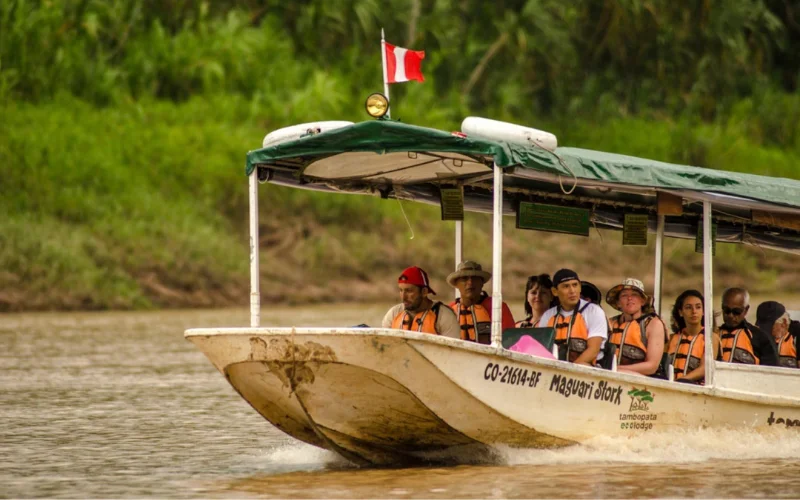
Plan Your Amazon Stay
Decide how many days to dedicate to the rainforest.
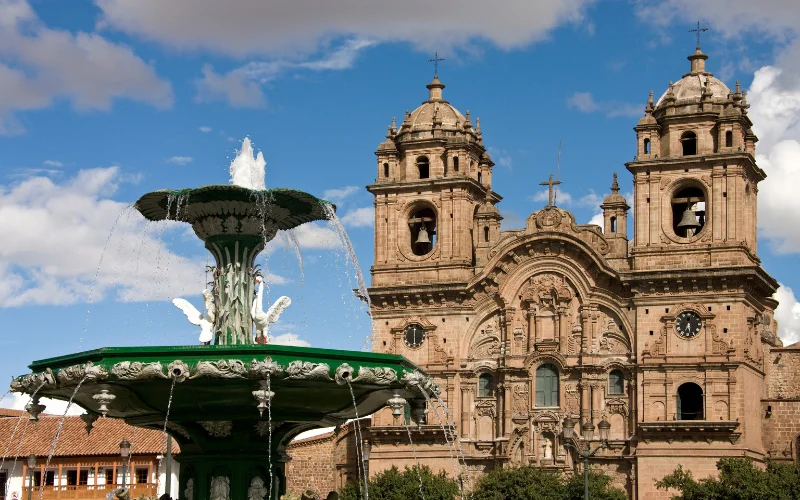
Plan Your Cusco Trip
Combine the Amazon with the Andes.
Ways to Experience Iquitos & the Amazon
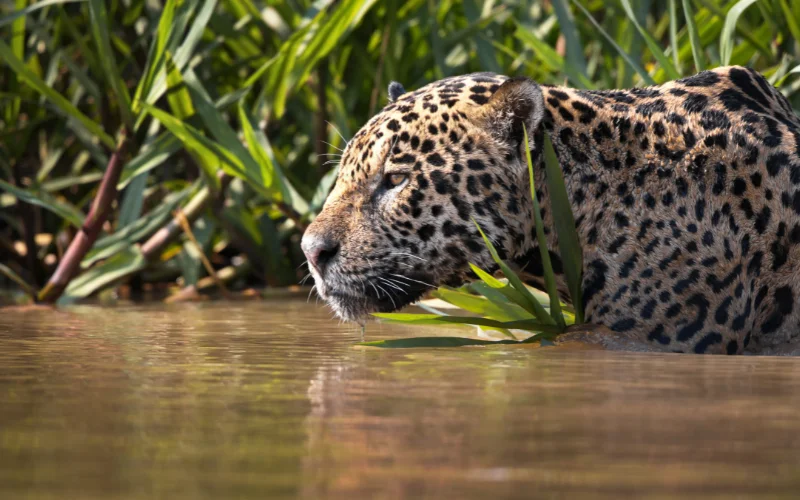
Jungle Lodge Experience
Stay in the rainforest and experience guided walks, wildlife observation, night excursions and river journeys.
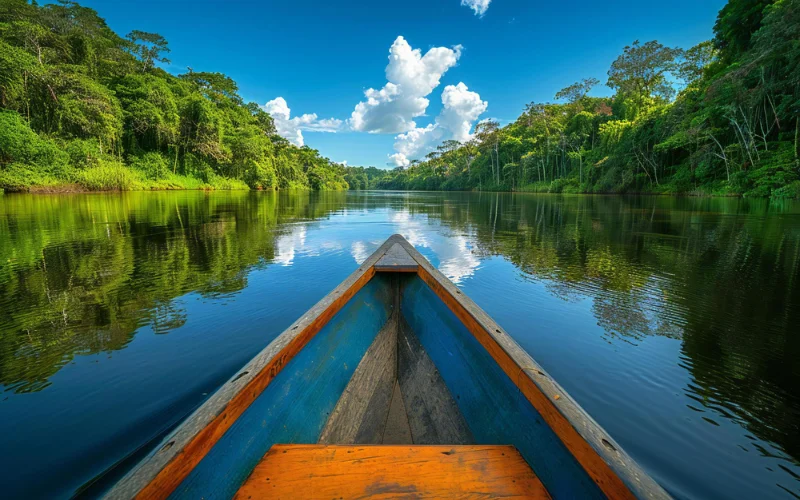
Amazon River Experience
Explore the waterways around Iquitos with guided boat excursions and wildlife observation.
Ready to Discover Iquitos?
Experience the Amazon River & Rainforest
From the historic streets of Iquitos to the immense waters of the Amazon River and the flooded forests of Pacaya-Samiria, Loreto offers a completely different side of Peru.
Explore the rainforest, discover Amazonian wildlife and experience the river at the heart of one of the world’s most extraordinary ecosystems.