

Lake Titicaca
Lake Titicaca Travel Guide
Lake Titicaca is one of Peru’s most distinctive destinations, where deep-blue waters, high-altitude landscapes and living Andean traditions come together. Located in southeastern Peru near the Bolivian border, the lake is best explored from Puno, the main gateway to its islands and lakeside communities.
A visit to Lake Titicaca can mean exploring the floating islands of Uros, discovering the traditional textile culture of Taquile, staying with a local family on Amantaní, or visiting archaeological sites across the Altiplano. Each experience reveals a different side of the region.
Planning matters here. The lake sits at approximately 3,810 meters (12,500 feet) above sea level, so altitude, cold nights, boat schedules and travel time should all be considered before your visit.
This Lake Titicaca travel guide explains what to see, which islands to visit, the best time to travel, how many days to spend, where to stay and how to include the lake in your wider Peru itinerary.
Lake Titicaca at a Glance
📍 Location: Puno Region, southeastern Peru, near the Bolivian border
🚪 Main gateway: Puno
🏔️ Altitude: Approximately 3,810 m / 12,500 ft at lake level; individual islands and viewpoints may be higher
🏝️ Best-known islands: Uros, Taquile and Amantaní
🚤 Main experiences: Boat trips, community tourism, traditional textiles, island walks and cultural homestays
📅 Recommended stay: 1–3 days, depending on the islands and activities you choose
☀️ Best general travel window: April–October, during the drier months
✈️ Closest airport: Inca Manco Cápac International Airport in Juliaca
🌦️ Climate: High-altitude conditions with strong sunlight, cold nights and seasonal rainfall
Travel times, boat departures, accommodation availability and weather can vary. Confirm current arrangements with your transport provider or tour operator before traveling.
Why Visit Lake Titicaca?
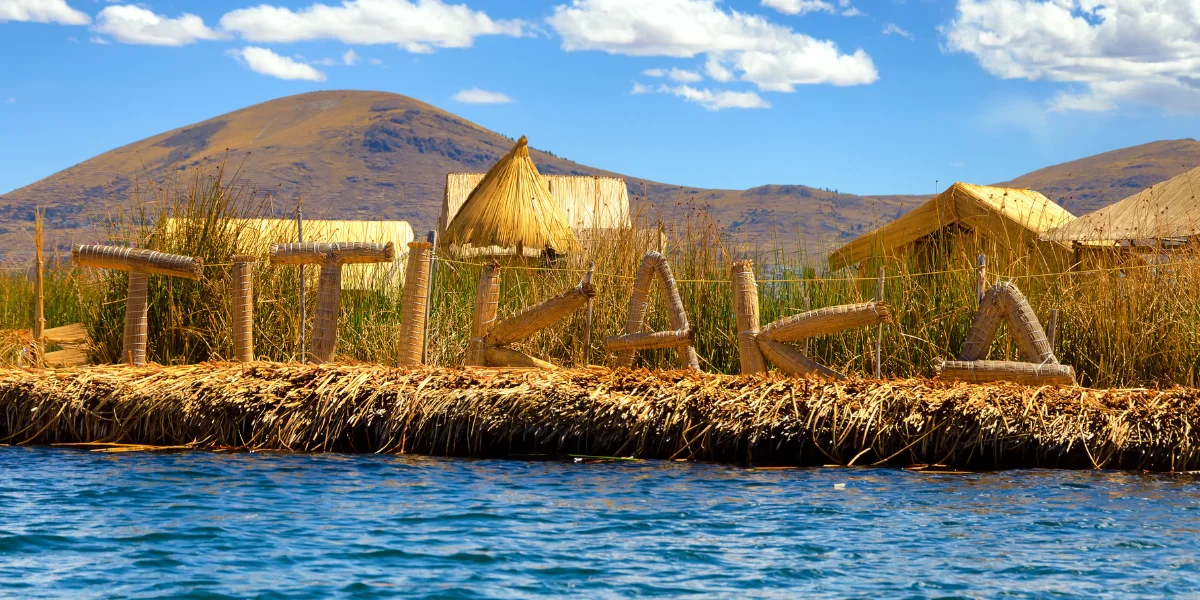
Lake Titicaca offers a different perspective on Peru. Rather than focusing only on archaeological monuments or mountain treks, a visit introduces travelers to the communities, traditions and landscapes of the Andean highlands.
Discover the Uros Floating Islands
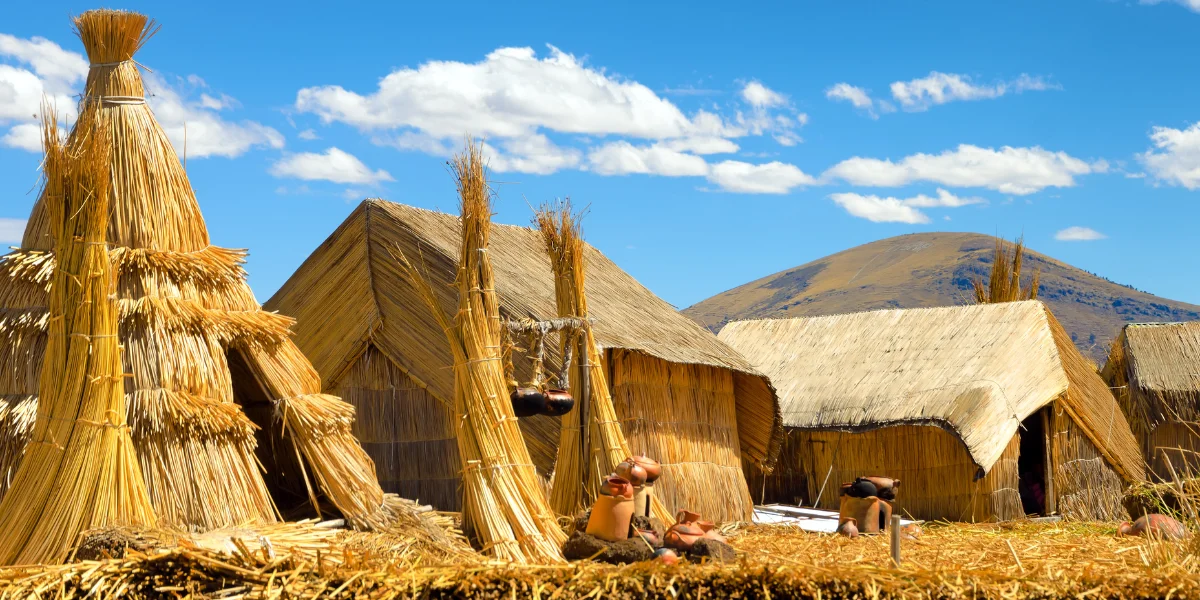
The Uros Islands are known for their floating platforms constructed from totora reeds, an aquatic plant that grows in the lake. Visitors can learn how the reeds are used in island construction, traditional crafts and boats, and hear community members explain aspects of their way of life.
The experience is most rewarding when approached as a cultural visit rather than simply a photo stop.
Experience Traditional Life on Taquile
Taquile is known for its distinctive textile traditions, community organization and walking routes overlooking the lake. Its textile art is recognized on UNESCO’s Representative List of the Intangible Cultural Heritage of Humanity.
Visitors can learn about local weaving, explore the island’s paths and viewpoints, and purchase crafts directly from local producers.
Stay Overnight on Amantaní
Amantaní offers a slower-paced experience, with rural landscapes, traditional homes, local meals and walking routes to ceremonial sites such as Pachatata and Pachamama.
An overnight stay gives travelers more time to experience the island beyond a short daytime visit. Accommodation and facilities vary, so check what is included before booking.
Explore Puno and the Wider Altiplano
Puno is more than a departure point for boat tours. The city has its own cultural identity, traditional food, festivals and access to archaeological attractions such as Sillustani.
If you have additional time, combining Lake Titicaca with other parts of the southern Andes can make your journey more varied.
Understanding Lake Titicaca: Peru and Bolivia
Lake Titicaca extends across the border between Peru and Bolivia. The Peruvian side is commonly explored from Puno, while the Bolivian side includes destinations such as Copacabana and Isla del Sol.
The best route depends on your wider itinerary.
If you are traveling through Peru, Puno connects naturally with Cusco and Arequipa. If you plan to continue into Bolivia, check current border requirements, transport schedules and entry conditions before choosing your route.
Puno: The Gateway to Lake Titicaca
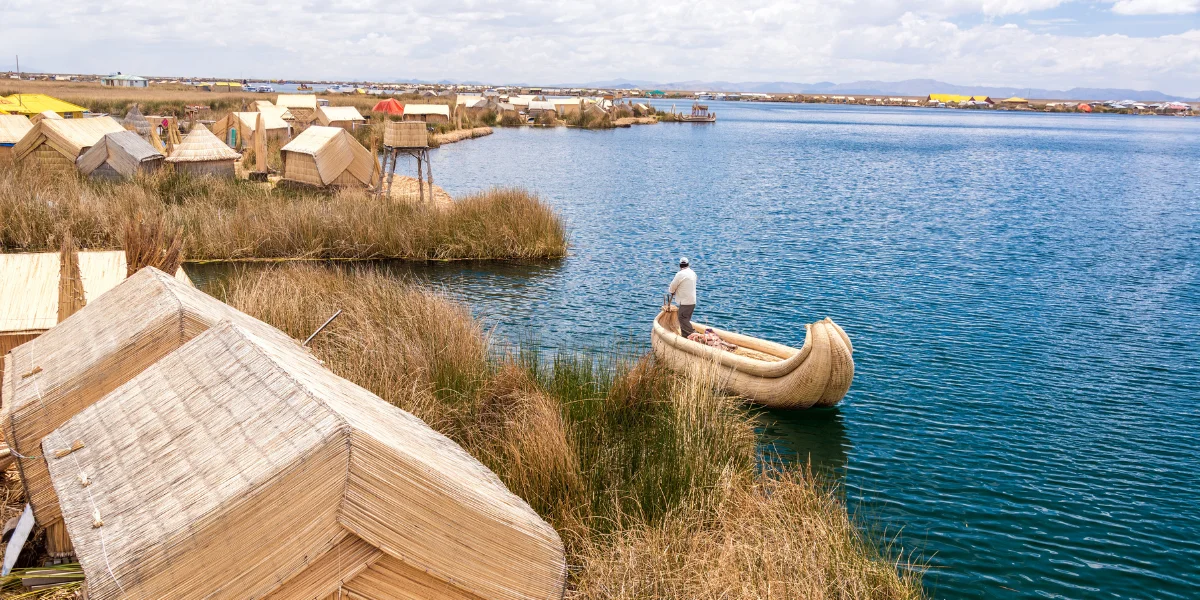
Puno is the main base for exploring the Peruvian side of Lake Titicaca. Most travelers stay in the city before or after their boat excursions, making it a practical place to arrange transport, accommodation and meals.
What to Do in Puno
Depending on your interests and available time, you can:
- Walk through the city center and explore its churches and public spaces.
- Try regional dishes influenced by the high-altitude climate and local agricultural traditions.
- Visit local markets and craft shops.
- Arrange excursions to the islands of Lake Titicaca.
- Explore Sillustani, an archaeological site known for its monumental funerary towers, called chullpas.
Puno also hosts major cultural celebrations, including the Festival of the Virgen de la Candelaria. If attending a festival is important to you, verify the current dates and accommodation availability well in advance.
How Long Should You Stay in Puno?
One night can work if you are taking a day trip to Uros or Taquile. Two nights are more comfortable if you want to visit several islands or spend a night with a host family.
Allow additional time if you are arriving from another high-altitude destination, traveling overland for many hours, or continuing across the border into Bolivia.
Best Islands to Visit on Lake Titicaca
The islands of Lake Titicaca offer different experiences. Choosing the right combination is more useful than trying to visit as many places as possible in a single day.
Uros Floating Islands
Uros is usually the easiest island experience to organize from Puno and is commonly included in half-day or full-day boat excursions.
The floating islands are made using layers of totora reeds that require ongoing maintenance. Community members may explain how the islands are built, how the reeds are used and how local households make a living.
Best for: First-time visitors, travelers with limited time, families and anyone interested in the relationship between people and the lake.
Planning tip: Ask your operator how the visit is organized, how much time is allocated to the community and whether optional activities or purchases involve additional charges.
Taquile Island
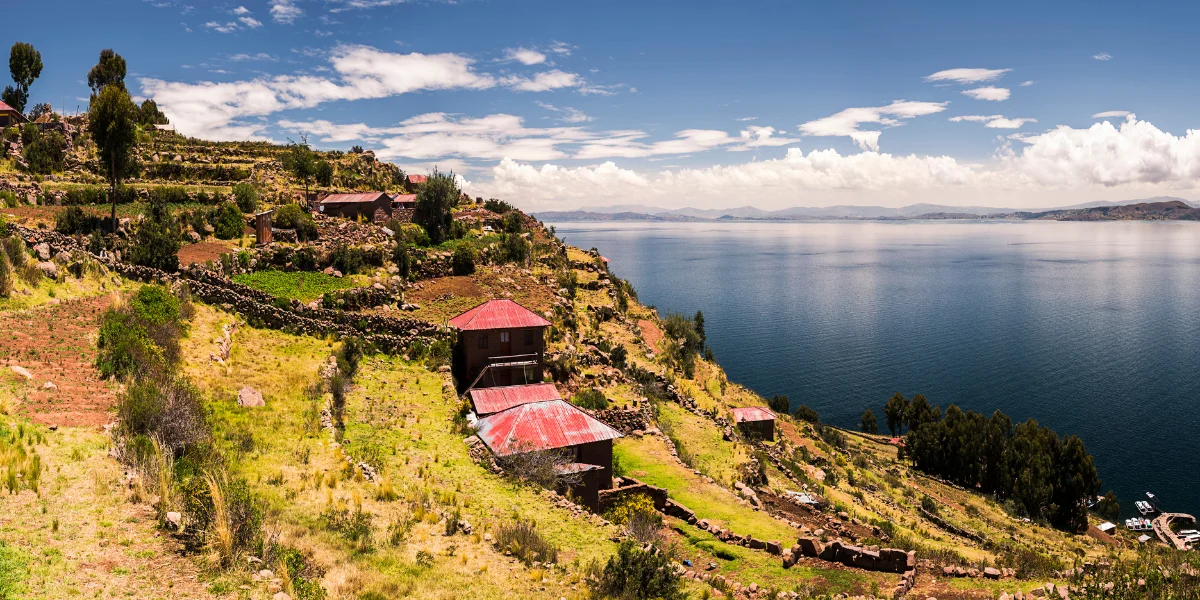
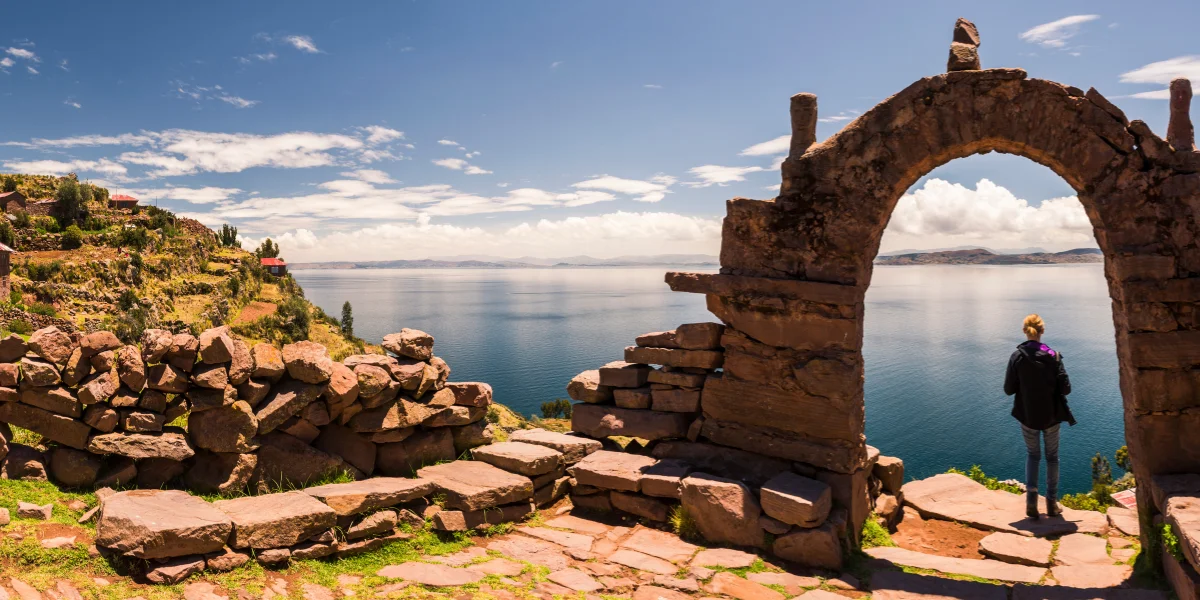
Taquile is known for its textile traditions, stone paths, agricultural terraces and panoramic lake views. The island’s textile culture reflects local knowledge, identity and community life.
Many visits involve walking from the landing area toward the village or a viewpoint. Some routes include steps and uphill sections, which can feel more demanding at altitude.
Best for: Travelers interested in traditional crafts, Andean culture, photography and walking.
Planning tip: Wear comfortable shoes, bring water and allow extra time for uphill walking. If you have mobility limitations, ask about the specific route and physical demands before booking.
Amantaní Island
Amantaní is particularly suitable for travelers who want more time in a local community rather than a short island stop.
An overnight visit may include a home-cooked meal, accommodation with a local family, a walk to a ceremonial viewpoint and opportunities to learn about local traditions. What is offered depends on the host family and the arrangement you book.
Best for: Cultural travelers, couples, independent-minded visitors and people who prefer slower travel.
Planning tip: Confirm the sleeping arrangements, bathroom facilities, meals, return transport and whether any activities require additional payment. Conditions are generally simpler than in a conventional hotel.
Other Community Experiences Around the Lake
Taquile and Amantaní are not the only options. Other communities around the lake offer rural accommodation, traditional food, walks, boating and cultural activities.
For travelers seeking a quieter experience, ask about community-based options beyond the most frequently visited stops. Choose operators who explain how local communities participate in and benefit from tourism.
Best Things to Do at Lake Titicaca
Take a Boat Trip on the Lake
A boat excursion is the main way to reach many of the islands. Depending on the route, trips may include Uros alone or combine several islands.
Check the departure point, total duration, time spent at each stop, group size and return time. Do not assume that every tour includes the same islands or activities.
Learn About Traditional Textile Art
Taquile is particularly well known for its textile heritage. A respectful visit can help travelers understand the meaning of patterns, the skills involved and the role of textile production in community life.
Buying directly from local artisans, when possible, can help support the people who maintain these traditions.
Stay with a Local Family
A community homestay can provide a more personal understanding of life around the lake. Depending on the host and itinerary, you may share traditional meals, learn about agricultural activities or take part in local cultural experiences.
Remember that you are a guest in someone’s home. Ask before taking photographs, follow your host’s guidance and be considerate of local customs.
Watch the Sunrise or Sunset
The wide horizon and changing light can make the lake especially attractive for photography. Sunrise and sunset conditions depend on weather, cloud cover and your location.
If photography is a priority, bring a warm layer, protect your equipment from moisture and avoid planning an isolated walk after dark without appropriate local guidance.
Visit Sillustani
Sillustani is an archaeological site near Puno, known for its tall stone funerary towers built by pre-Inca and Inca-period societies. It is a useful addition for travelers interested in the history and archaeology of the Altiplano.
Allow time for the drive and walking around the site. Confirm current opening arrangements and transport options before your visit.
Best Time to Visit Lake Titicaca
The best time to visit Lake Titicaca depends on your priorities: clearer skies, fewer weather disruptions, cultural events or a particular route through Peru.
Dry Season: April to October
The drier season generally brings more favorable conditions for outdoor activities and long-distance views. Days can be sunny, but mornings, evenings and nights can still be very cold.
This period is often a good choice for boat excursions, island walks and photography. July and August can be busy travel months, so reserve accommodation and popular excursions ahead of time when possible.
Rainy Season: November to March
Rainfall is generally more frequent during these months, although conditions vary from day to day. Clouds and rain can affect visibility, walking conditions and the comfort of boat excursions.
Travel is still possible, but keep your itinerary flexible and check local conditions before departure.
Weather, Temperatures and Nighttime Cold
Lake Titicaca’s high altitude creates strong differences between sunny daytime conditions and cold mornings or nights. Sunlight can feel intense even when the air is cool.
Pack layers rather than relying on a single heavy jacket. Bring sun protection, a warm hat and gloves, and rain protection during the wetter months.
Best Time for Island Visits
The drier months are generally a practical choice for travelers planning to walk on Taquile or stay overnight on Amantaní. However, no season guarantees ideal weather.
Boat schedules and routes may change due to local conditions. Confirm the final arrangements with your operator, especially if you have a flight or long-distance transfer afterward.
Read our blog: Best time to visit Peru
Lake Titicaca Altitude and Acclimatization
Lake Titicaca sits at approximately 3,810 meters (12,500 feet) above sea level, and some islands and viewpoints are higher. The altitude can affect visitors even if they are physically fit.
How to Prepare for the Altitude
- If possible, allow time to acclimatize before strenuous walking or demanding excursions.
- Walk at a comfortable pace and take breaks when needed.
- Drink water regularly and eat according to your appetite.
- Avoid overexertion, particularly on steep paths and stairs.
- Keep the first day relatively light if you have just arrived from a much lower elevation.
- Do not assume that previous experience at altitude guarantees you will feel fine this time.
Altitude sickness can affect anyone, regardless of fitness. Headache, nausea, dizziness and unusual fatigue can be warning signs. Severe or worsening symptoms, particularly breathlessness at rest, confusion or difficulty walking normally, require urgent medical assessment and descent when appropriate.
Can You Visit Lake Titicaca Without Acclimatizing?
Some travelers arrive and take a boat excursion on the same day, but this is not ideal for everyone. If you are flying into Juliaca or arriving from sea level, consider your health, arrival time and how you feel before committing to a demanding itinerary.
Travelers with existing medical concerns should seek professional advice before visiting high-altitude destinations.
How Many Days Do You Need at Lake Titicaca?
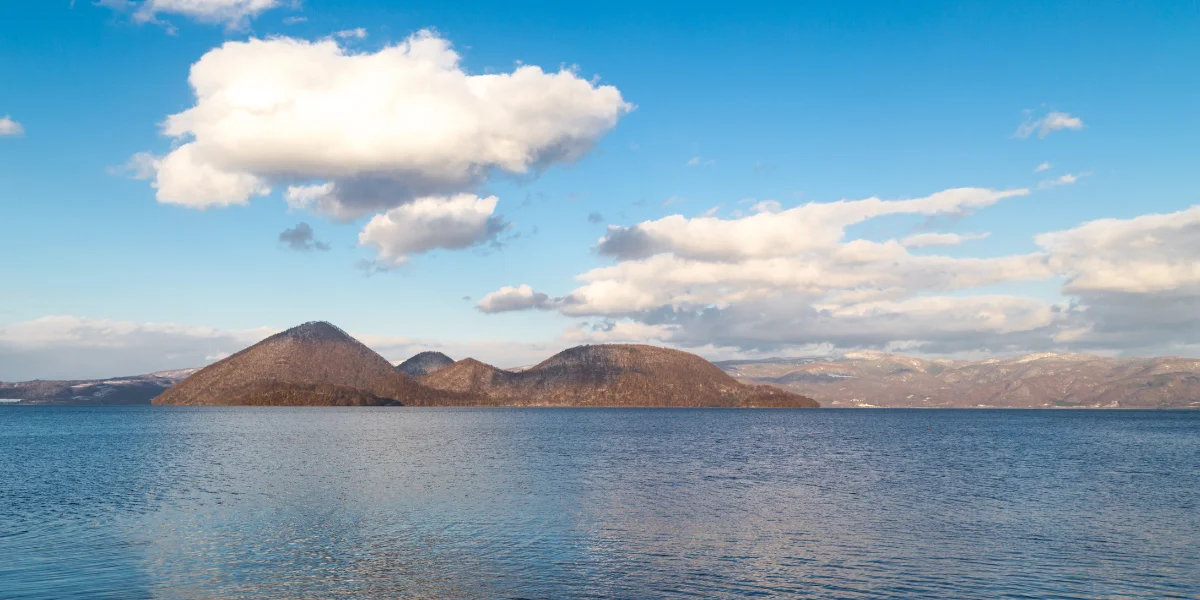
The ideal length of stay depends on whether you want to see the floating islands or experience the region more deeply.
One Day at Lake Titicaca
A one-day visit is suitable for travelers with limited time. You can take a boat excursion from Puno to Uros, or choose a longer itinerary that includes another island if the schedule allows.
A day trip does not offer the same pace or depth as an overnight community experience. Check the total excursion duration before booking.
Two Days and One Night
Two days are a strong option for many first-time visitors. You can explore Uros and continue to Taquile or Amantaní, depending on the itinerary, with time for a more immersive experience.
An overnight stay on Amantaní is particularly suitable if you want to share a meal with a host family and experience the island after day visitors leave.
Three Days or More
Three days allow for a more relaxed visit. You may be able to combine an island excursion, a community stay and time in Puno or at Sillustani, depending on transport schedules.
If you are continuing to Bolivia or combining the lake with Cusco and Arequipa, additional time also provides a buffer for travel connections and acclimatization.
Lake Titicaca Itineraries
Use these itineraries as planning frameworks, not fixed schedules. Actual boat routes and departure times depend on the operator, season and weather.
One-Day Lake Titicaca Itinerary
Morning: Depart from Puno and visit the Uros Floating Islands.
Midday: Continue with the additional island or activity included in your selected tour, if time permits.
Afternoon: Return to Puno and explore the city or enjoy a regional meal.
Best for: Travelers with limited time who want a first introduction to the lake.
Two-Day Uros, Taquile and Amantaní Itinerary
Day 1: Travel from Puno to Uros, then continue to Amantaní if your selected route includes an overnight stay. Share a meal with your host family and enjoy the island’s landscape.
Day 2: Depending on your operator’s itinerary, visit Taquile or another planned stop before returning to Puno.
Best for: Travelers who want to combine the floating islands with a cultural homestay.
The order of visits varies by tour. Confirm whether the package includes all three islands, accommodation, meals, boat transport and any entrance fees.
Three-Day Lake Titicaca Itinerary
Day 1: Arrive in Puno, settle into your accommodation and keep activities light while adjusting to the altitude.
Day 2: Explore the lake by boat, visiting Uros and the islands included in your selected route.
Day 3: Visit Sillustani or explore more of Puno before continuing your journey.
Best for: Travelers who prefer a slower pace or want a little flexibility around weather and transport.
Lake Titicaca as Part of a Peru Itinerary
Lake Titicaca works well in a wider southern Peru itinerary. Depending on your route, you can connect Puno with Cusco, Arequipa or a journey onward to Bolivia.
Avoid scheduling a long boat excursion immediately before a flight or international connection without a reasonable buffer. Check current transport timetables when deciding how to sequence your trip.
Read our: Peru travel cost guide
How to Get to Lake Titicaca
Most travelers exploring the Peruvian side of Lake Titicaca travel to Puno first. From there, boat excursions and local transport connect visitors with the islands and surrounding attractions.
Lima to Lake Titicaca
A common option is to fly from Lima to Juliaca and continue overland to Puno. The road journey from Lima is also possible, but it takes substantially longer.
Compare total journey time, departure schedules and baggage conditions rather than choosing based on ticket price alone.
Cusco to Puno
Travelers can connect Cusco and Puno by road. Depending on your preferences and the available services, you may choose a bus or a more scenic train journey when operating.
Check the current timetable, journey duration, luggage allowance and arrival point before booking.
Arequipa to Puno
Puno can also be reached overland from Arequipa. This route is useful for travelers following a southern Peru itinerary that includes the Colca region and the Altiplano.
Allow enough time for the journey and avoid assuming that all services operate daily or on identical schedules.
Juliaca Airport to Puno
Juliaca is the main airport serving travelers heading to Puno and Lake Titicaca. From the airport, arrange an appropriate transfer to your accommodation.
Confirm the pickup location, total fare, journey time and whether the service is private or shared.
Traveling from Peru to Bolivia
If your itinerary includes Bolivia, verify the current border crossing arrangements, entry requirements, transport schedules and any documentation needed for your nationality.
Do not rely on old timetables or assume that a boat or bus connection operates every day.
Where to Stay at Lake Titicaca
Your choice of accommodation affects the kind of experience you will have. Staying in Puno offers convenience, while staying on an island or in a lakeside community provides more time in a rural setting.
Staying in Puno
Puno is the most practical base for travelers who want restaurants, transport connections and a wide range of accommodation choices.
It is particularly convenient for day trips, early boat departures and travelers with limited time.
Staying on Amantaní
An overnight homestay on Amantaní offers a chance to experience local hospitality and the island’s quieter evening atmosphere.
Facilities can be basic and vary between households. Ask about bedding, heating, bathroom arrangements, meals, electricity and payment methods before confirming your stay.
Staying in a Lakeside Community
Some communities around Lake Titicaca offer rural accommodation and cultural activities. These can be a good alternative for travelers seeking a quieter visit and more direct engagement with local hosts.
Choose a provider that explains how the experience is organized, what is included and how the community participates in the benefits of tourism.
Lake Titicaca for Different Travelers
First-Time Visitors to Peru
Start with Puno and a well-organized excursion to Uros. If your schedule allows, add Taquile or an overnight stay on Amantaní rather than trying to fit every island into one day.
Culture and History Travelers
Prioritize Taquile’s textile traditions, a community-based stay and archaeological sites such as Sillustani. Choose experiences that give local people time to explain their traditions in their own words.
Couples
A slower itinerary with an overnight stay, scenic walks and time to enjoy the lake can be more rewarding than a tightly scheduled series of stops.
Families
Consider travel time, boat duration, altitude and the facilities available at each stop. Ask about child-appropriate routes, life jackets, restroom access and the sleeping arrangements if booking a homestay.
Photographers
Bring protection against strong sunlight, cold and moisture. Ask permission before photographing people, and avoid treating community members or cultural practices as props.
Travelers with Limited Mobility
Some island visits involve uneven paths, steep steps and walking at high altitude. Request detailed accessibility information from your operator before booking, rather than relying on general descriptions such as “easy walk.”
What to Pack for Lake Titicaca
Pack for changing conditions, strong sunlight and cold evenings.
- Warm layers, including a fleece or insulated jacket.
- A wind-resistant outer layer.
- Comfortable walking shoes with good grip.
- Sunscreen, sunglasses and a hat.
- Lip balm and moisturizer.
- A reusable water bottle.
- A small daypack.
- Rain protection during the wetter season.
- Any personal medication you need.
- Cash in small denominations for local purchases where cards may not be accepted.
- A flashlight or headlamp if staying overnight in a rural community.
- A camera or phone with suitable protection against cold and moisture.
Read our blog: Peru packing list
Safety, Responsible Tourism and Cultural Etiquette
Lake Titicaca is both a natural environment and a living cultural landscape. Responsible travel means respecting local people, following safety guidance and understanding that each community has its own customs and priorities.
Respect Local Customs
Ask before photographing people, homes or ceremonies. Follow your host’s guidance and avoid entering private areas without permission.
Support Local Communities
When appropriate, buy crafts directly from local makers, choose transparent community-based experiences and ask how the tour benefits the people you visit.
A responsible visit should give communities control over how their culture is shared with visitors.
Follow Boat Safety Guidance
Use a reputable operator, follow crew instructions and wear a life jacket when required or provided for the activity. Confirm the expected route and return time, especially when weather conditions are changing.
Take Care at High Altitude
Do not underestimate the effects of altitude. Reduce physical effort if you feel unwell, communicate symptoms promptly and seek medical help for severe or worsening symptoms.
Protect the Lake Environment
Avoid leaving rubbish, use refillable bottles where practical and follow local rules for waste disposal. Respect wildlife and do not disturb sensitive habitats.
Practical Lake Titicaca Travel Tips
-
Book with a clear itinerary: Confirm the islands visited, departure and return times, meals, accommodation and included fees.
-
Check the weather: Conditions can affect comfort, visibility and boat operations.
-
Carry cash: Some community businesses and small vendors may not accept cards.
-
Dress in layers: Sunny afternoons can feel very different from cold mornings and nights.
-
Allow time to acclimatize: Build flexibility into your first day at altitude.
-
Keep some schedule flexibility: Avoid tight connections immediately after a long excursion.
-
Confirm accommodation conditions: Homestays vary, so clarify what facilities and services are available.
-
Check current travel information: Transport routes, schedules, prices and entrance arrangements may change.
Plan Your Lake Titicaca Trip
The best Lake Titicaca itinerary is the one that balances travel time, altitude, cultural experiences and the amount of time you want to spend with local communities.
If you have limited time, start with Puno and the Uros Floating Islands. If you want a deeper cultural experience, consider an itinerary that includes Taquile or an overnight stay on Amantaní.
Before booking, compare the route, group size, accommodation, meals, boat transport and included fees. These details make it easier to choose an experience that fits your expectations.
Lake Titicaca 2-Day Tour
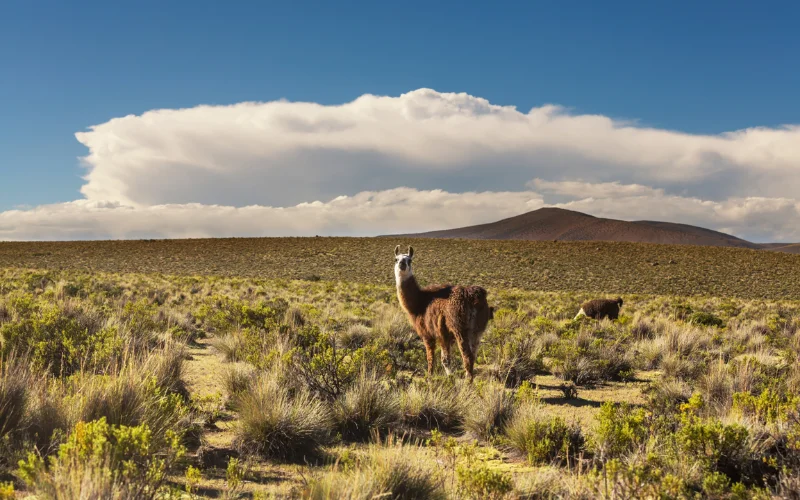
Explore the lake through a multi-day itinerary that includes Uros, Amantaní and Taquile, subject to the confirmed route and operating arrangements. This option is suitable for travelers who want to combine the floating islands with a more immersive island experience.
Explore the Lake Titicaca 2-Day Tour
Machu Picchu and Lake Titicaca in One Peru Journey
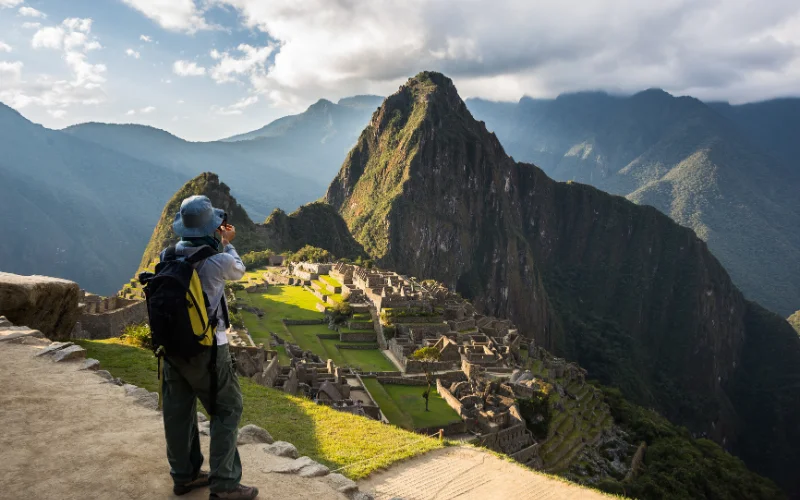
If you want to combine major highlights of southern Peru, consider a multi-day package that includes Machu Picchu and Lake Titicaca. Review the full itinerary, transport connections and inclusions before booking.
Frequently Asked Questions About Lake Titicaca
Is Lake Titicaca worth visiting?
Yes, particularly if you are interested in Andean culture, traditional textiles, high-altitude landscapes and community-based travel. The experience is most rewarding when you choose an itinerary that matches your interests and allows enough time for the journey.
How many days do you need at Lake Titicaca?
One day can be enough for a short island excursion from Puno. Two days allow time for a more immersive itinerary, often including an overnight stay. Three days are useful if you also want to explore Puno or visit Sillustani.
What is the best island to visit on Lake Titicaca?
It depends on what you want to experience. Uros is known for its floating reed islands, Taquile for its textile traditions and walking routes, and Amantaní for overnight community stays and a slower pace.
Can you visit Uros, Taquile and Amantaní in one day?
Some itineraries combine multiple islands, but visiting all three in one day can involve long periods on the boat and limited time at each stop. If you want to stay overnight or explore at a relaxed pace, consider a two-day itinerary.
Is Lake Titicaca difficult to visit because of the altitude?
The lake sits at approximately 3,810 meters above sea level, so some visitors experience altitude-related symptoms. Allow time to acclimatize, take walking breaks and seek medical help if symptoms become severe or worsen.
What is the best month to visit Lake Titicaca?
The drier season, generally April through October, is often a practical choice for island visits and outdoor activities. Conditions vary, and cold nights are possible throughout the year. Check the forecast before traveling.
Can you stay overnight on Lake Titicaca?
Yes. Travelers can arrange homestays on islands such as Amantaní and in some lakeside communities. Facilities and services vary, so confirm accommodation conditions and what is included before booking.
How do you get to Lake Titicaca from Lima?
A common route is to fly from Lima to Juliaca and continue by road to Puno. Overland travel from Lima is also possible but takes much longer. Check current flight and transfer schedules before making plans.
Is Lake Titicaca in Peru or Bolivia?
Lake Titicaca extends across both Peru and Bolivia. Puno is the principal gateway for exploring the Peruvian side, while Copacabana and Isla del Sol are popular destinations on the Bolivian side.
What should you wear at Lake Titicaca?
Wear comfortable walking shoes, warm layers and a wind-resistant jacket. Bring sun protection because sunlight is strong at altitude, even when temperatures are low.
Are the Uros Islands natural islands?
The well-known floating islands of Uros are constructed from totora reeds. They are different from the natural islands of the lake, including Taquile and Amantaní.
Can Lake Titicaca be combined with Machu Picchu?
Yes. Lake Titicaca can be included in a wider Peru itinerary that also visits Cusco and Machu Picchu. Plan transport connections carefully and allow enough time for altitude adjustment and overland journeys.
Ready to Discover Lake Titicaca?
Experience the Culture, Islands and Landscapes of the Andes
Discover Lake Titicaca through its floating islands, traditional communities and remarkable high-altitude landscapes. Choose the itinerary that suits your travel style and make time to experience the region beyond a quick stop.
Design Your Peru Trip
View All Day Trips
Discover unforgettable places and experiences, even on a tight schedule.
View All Packages
Experience more of Peru with our expertly crafted travel packages.
View All Amazon Experiences
Explore the Amazon rainforest, discover incredible wildlife, and connect with nature.
View All Treks
Hike Peru’s most spectacular trails and discover the Andes on foot.