

Puno
Puno Travel Guide
Puno, Peru, is a high-altitude destination on the shores of Lake Titicaca, known for its Andean culture, traditional festivals, archaeological heritage and dramatic landscapes. Located in southeastern Peru near the Bolivian border, the city is an important stop for travelers exploring the southern Andes.
Although many visitors come to Puno to see the famous Uros Floating Islands, the region offers much more than a boat trip. You can explore the historic center, visit the ancient funerary towers of Sillustani, discover traditional Andean food, learn about local textile traditions and experience one of Peru’s most celebrated cultural festivals.
Puno also requires thoughtful planning. The city sits at approximately 3,800 meters (12,500 feet) above sea level, and the cold nights, strong sunlight and long overland journeys can affect your itinerary.
This Puno travel guide explains the best things to do, when to visit, how many days to spend, where to stay, how to get there and how to combine Puno with Lake Titicaca and other destinations in southern Peru.
Read also our : Peru travel guide
Puno at a Glance
📍 Region: Puno, southeastern Peru
🌊 Main attraction: Lake Titicaca
🏔️ Altitude: Approximately 3,800 m / 12,500 ft
🏛️ Known for: Andean culture, festivals, archaeology and regional cuisine
🏝️ Top attractions: Uros Floating Islands, Taquile, Amantaní and Sillustani
📅 Recommended stay: 2–3 days
✈️ Closest airport: Inca Manco Cápac International Airport in Juliaca
☀️ Best travel season: April–October
🗣️ Languages: Spanish, Aymara and Quechua
🚤 Best for: Cultural experiences, archaeological sites and lake excursions
Puno is both a destination in its own right and a gateway to the Peruvian side of Lake Titicaca. Your ideal itinerary depends on whether you are most interested in the city, the islands, archaeology or a longer journey through the southern Andes.
Why Visit Puno, Peru?
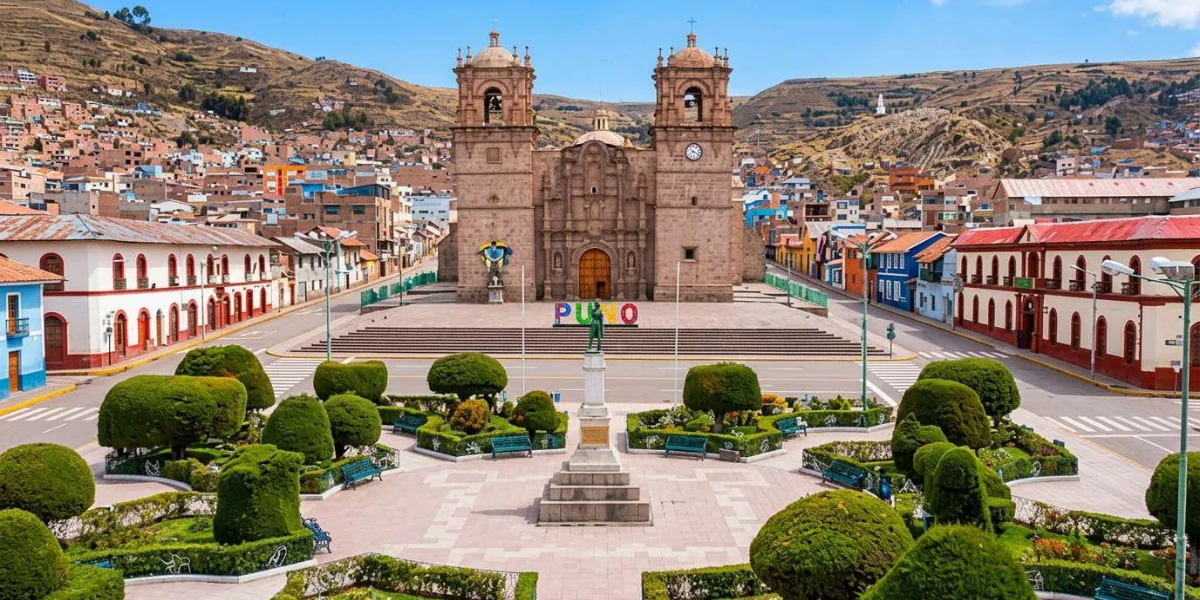
Puno brings together living Andean traditions, high-altitude landscapes and archaeological sites that reveal the region’s long history. It is particularly rewarding for travelers who want to understand the cultural diversity of Peru beyond its most famous Inca destinations.
Discover Lake Titicaca
Lake Titicaca is the main reason many travelers visit Puno. Boat excursions connect the city with communities and islands known for traditional lifestyles, textile arts and distinctive landscapes.
Depending on your available time, you can visit the Uros Floating Islands, explore Taquile or spend a night with a host family on Amantaní.
Read also our: Lake Titicaca travel guide
Experience Andean Culture and Festivals
Puno is widely associated with traditional music, dance, colorful costumes and community celebrations. These traditions are part of everyday cultural identity as well as major annual festivities.
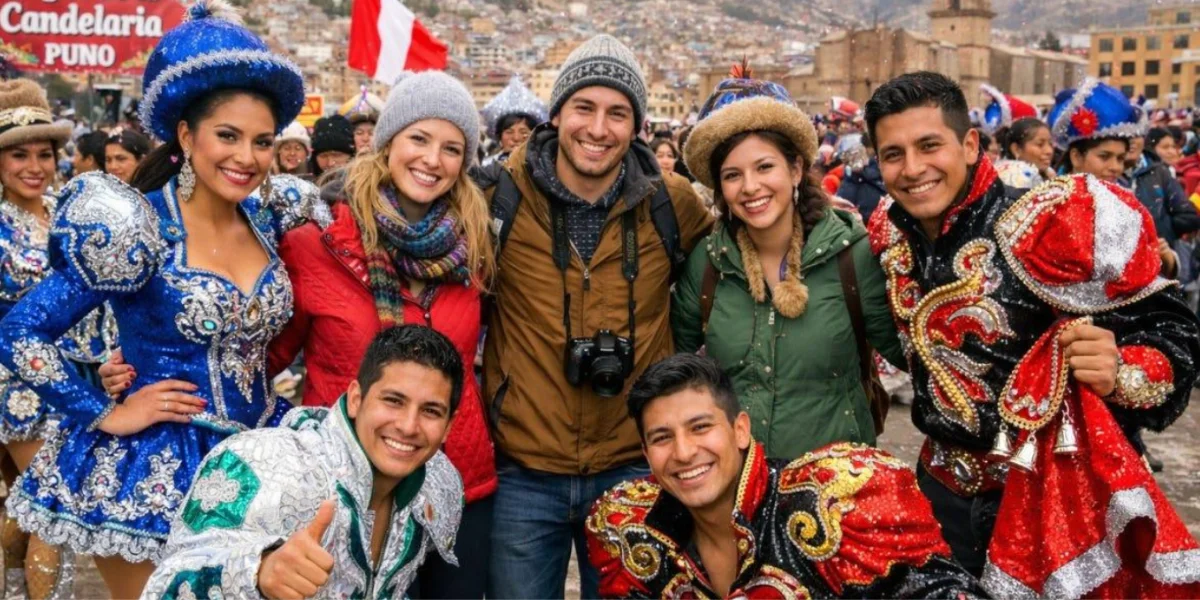
The Festival of the Virgen de la Candelaria is one of the region’s most important celebrations, combining religious devotion, music, dance and elaborate costumes. It is recognized on UNESCO’s Representative List of the Intangible Cultural Heritage of Humanity.
If you plan to visit during festival season, reserve accommodation early and verify the current program before traveling.
Explore Ancient Archaeological Sites
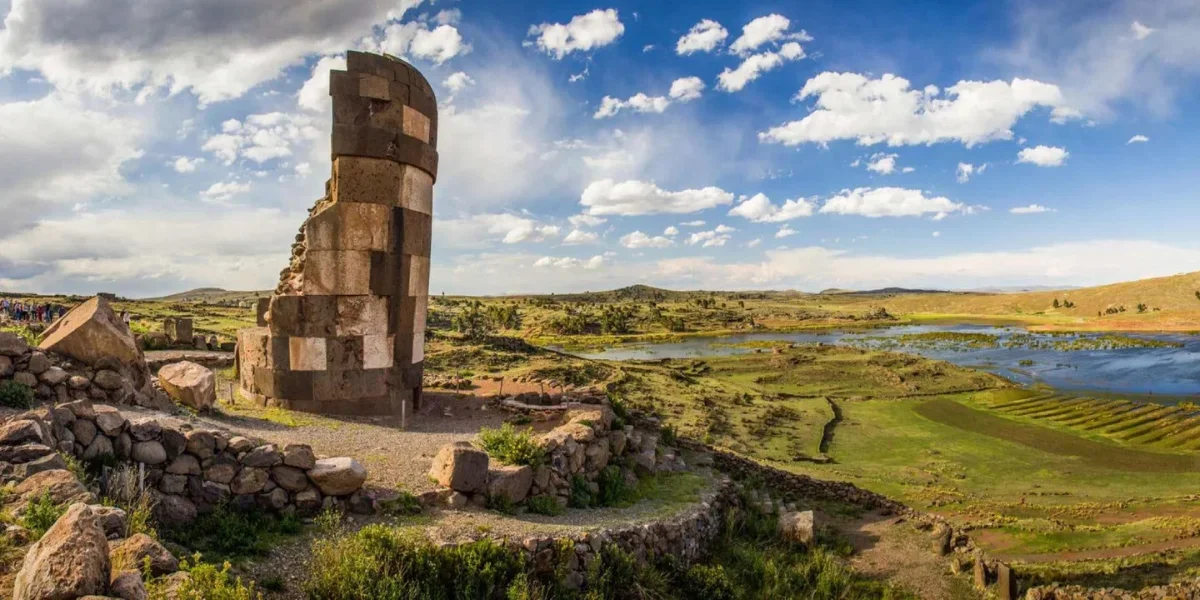
The region around Puno contains archaeological sites associated with different Andean societies. Sillustani is especially notable for its monumental funerary towers, known as chullpas, beside Lake Umayo.
Cutimbo is another archaeological site worth considering if you have additional time and are interested in the history of the Altiplano.
Taste Traditional Puno Food
Puno’s cuisine reflects the agricultural and pastoral traditions of the high Andes. Regional dishes often feature potatoes, quinoa, grains, trout and lamb.
Trying local food is a practical way to discover another side of the destination beyond its most famous landscapes.
Best Things to Do in Puno
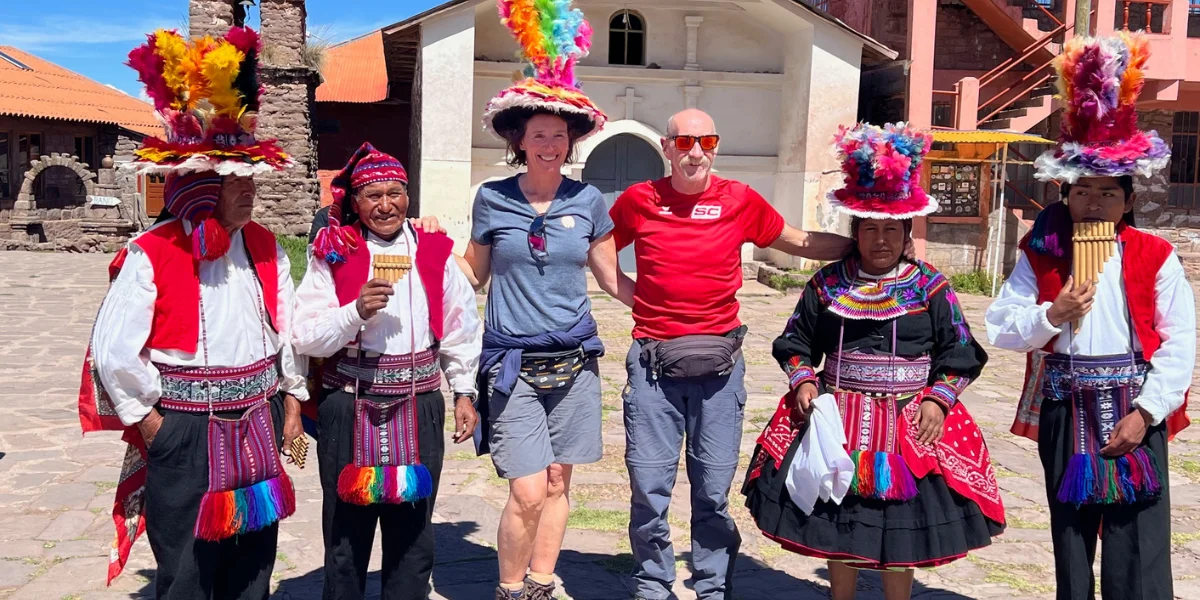
Puno offers enough experiences for a short cultural visit or a multi-day itinerary combining the city, Lake Titicaca and archaeological sites.
Visit the Uros Floating Islands
The Uros Floating Islands are among the best-known attractions accessible from Puno. These floating platforms are constructed from totora reeds, an aquatic plant used in island construction, crafts and traditional boats.
A visit may include an explanation of how the islands are maintained and how community members use the reeds in daily life.
Best for: First-time visitors, families, cultural travelers and people with limited time.
Planning tip: Ask your operator how long you will spend on the islands, whether the boat ride is included and whether optional activities have additional costs.
Explore Taquile Island
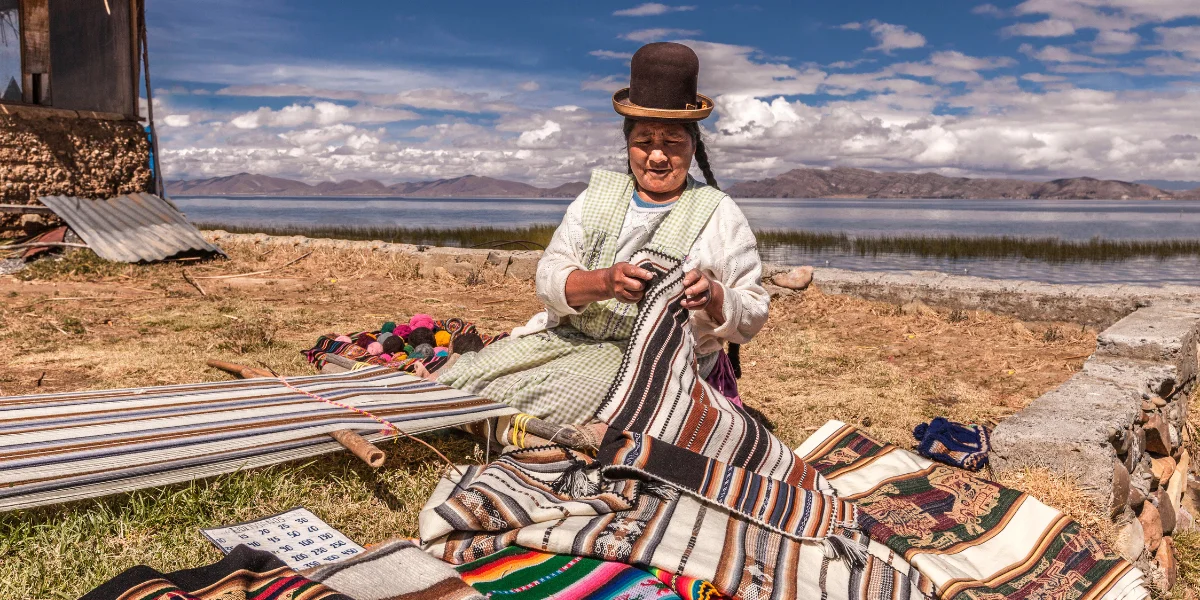
Taquile is known for its textile traditions, community organization, stone paths and panoramic views of Lake Titicaca. Its textile art is internationally recognized for its cultural significance.
Many visits involve walking from the landing area toward the village or viewpoints. The combination of steps, uneven paths and altitude can make the walk more demanding than expected.
Best for: Travelers interested in traditional crafts, Andean culture, walking and photography.
Stay Overnight on Amantaní Island
Amantaní offers a slower-paced experience for travelers who want more time in a local community.
Depending on your arrangements, a homestay may include accommodation with a local family, traditional meals and a walk to ceremonial viewpoints such as Pachatata or Pachamama.
Facilities can be simple and vary by household. Confirm sleeping arrangements, bathrooms, meals and return transport before booking.
Best for: Cultural travelers, couples and visitors who prefer immersive experiences rather than a short stop.
Discover Sillustani Archaeological Complex
Sillustani is one of the most important archaeological attractions near Puno. The site is known for its monumental funerary towers, or chullpas, associated particularly with the Colla culture and also linked to other Andean societies.
The towers stand near Lake Umayo, creating a landscape that combines archaeology, open highland scenery and water.
Allow time for the drive from Puno and for walking around the archaeological area. Verify current opening arrangements and admission details before your visit.
Best for: History enthusiasts, photographers and travelers who want an archaeological experience beyond Lake Titicaca.
Internal link: Link Sillustani from Puno to the appropriate section of this guide or to a dedicated Sillustani guide if one is published in the future.
Visit Puno’s Historic Center
Spend time exploring Puno itself rather than treating the city only as a place to sleep before a boat excursion.
Walk through the central streets, visit historic churches and public spaces, browse local shops and observe the city’s daily rhythms. The center is also a convenient place to find restaurants and arrange practical travel services.
Visit the Cathedral of Puno
The Cathedral of Puno is one of the city’s most recognizable historic buildings. Its architecture and setting make it a worthwhile stop during a walk through the historic center.
Opening arrangements can vary, particularly during religious celebrations, so check locally if visiting inside is important to your itinerary.
Explore Local Markets and Handicrafts
Markets and craft shops offer opportunities to see regional produce, textiles, knitted goods and souvenirs. You may find products made with alpaca or sheep wool, as well as traditional designs associated with the wider Andean region.
When possible, ask about the origin of an item and buy directly from local producers.
Discover Cutimbo Archaeological Site
Cutimbo is an archaeological destination near Puno associated with ancient funerary architecture and the region’s pre-Hispanic history.
It is a good option for travelers who have already explored the main attractions or who want to include more archaeology in their visit. Confirm access, transport and current site conditions before planning the excursion.
Experience Puno’s Cultural Traditions
Puno is known for its dance traditions, music and community celebrations. Depending on the time of year, visitors may encounter performances, rehearsals, religious events or local festivities.
Approach these experiences respectfully. Ask permission before photographing individuals, especially during religious or private ceremonies.
Puno’s Culture and History
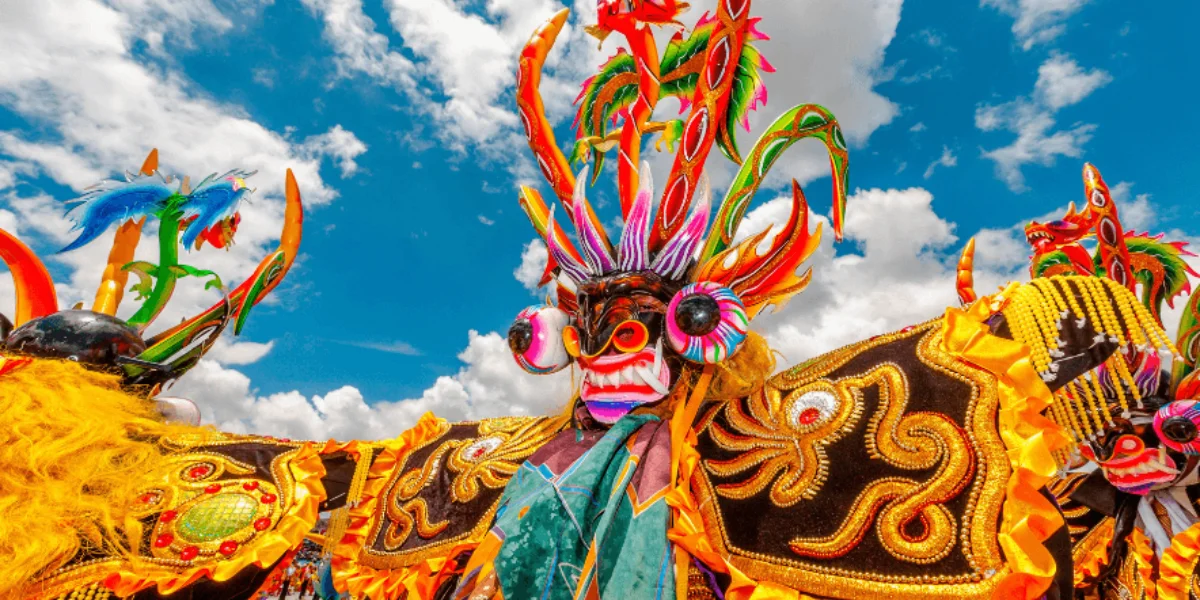
The cultural identity of Puno has been shaped by Indigenous Andean societies, regional trade, religious traditions and the landscapes surrounding Lake Titicaca.
Andean Roots and the Lake Titicaca Region
Lake Titicaca holds a significant place in Andean cultural traditions. Stories associated with the lake include legends about the origins of the Inca founders, Manco Cápac and Mama Ocllo.
These narratives are part of the region’s cultural heritage and should be understood as traditional accounts rather than archaeological evidence of historical events.
Aymara and Quechua Traditions
The wider Puno region includes communities with Aymara and Quechua cultural and linguistic traditions. Practices vary by location, so visitors should avoid assuming that every community shares the same customs or language.
Textiles, music, dance, food and community celebrations are important ways these traditions are expressed and maintained.
The Festival of the Virgen de la Candelaria
The Festival of the Virgen de la Candelaria is one of Puno’s defining cultural events. It brings together religious devotion, traditional dance, music, costumes and community participation.
The main celebrations generally take place around February, but exact schedules, performances and event arrangements vary by year.
Planning tip: If the festival is the main reason for your visit, confirm the official program and reserve accommodation well ahead of time.
Puno Food and Gastronomy

Puno’s food reflects the ingredients and cooking traditions of the Andean highlands. Meals often emphasize warming soups, grains, potatoes, trout and lamb.
Trucha Frita
Trout is commonly associated with Lake Titicaca and appears on menus in Puno and nearby communities. It is often served fried with potatoes, rice or vegetables.
Ask about preparation methods if you have dietary requirements.
Chairo
Chairo is a hearty regional soup found in parts of the southern Andes. Recipes vary, but it is commonly associated with a filling combination of local ingredients suited to the highland climate.
Chupe de Quinua
Quinoa is an important Andean grain, and quinoa-based soups are a useful way to experience regional cooking. Recipes and ingredients differ from one restaurant or household to another.
Kankacho
Kankacho is a traditional roasted lamb preparation associated with the Puno region, particularly Ayaviri. It is worth looking for if you want to explore the broader culinary traditions of the region.
Caldos and Traditional Highland Meals
Soups and broths are common in highland cuisine and can be especially appealing during cold weather. Ask local restaurants which dishes are available that day rather than expecting every specialty to appear on every menu.
Where to Eat in Puno
For a practical introduction to local cuisine, look for established restaurants serving regional dishes and visit local markets during their normal operating hours.
Choose places with good food-handling practices, particularly if you are still adjusting to altitude or have a sensitive stomach. Drink treated or bottled water when necessary.
Best Time to Visit Puno
Puno can be visited throughout the year, but the season affects rainfall, visibility, nighttime temperatures and the comfort of outdoor activities.
Dry Season: April to October
The drier months generally offer favorable conditions for sightseeing, archaeological excursions and boat trips. Days can be sunny, while mornings and nights remain cold.
This is a practical period for travelers who want to combine Puno with other highland destinations. July and August can be busy, so book transport and accommodation ahead of time if your dates are fixed.
Rainy Season: November to March
Rain is generally more frequent during these months, although conditions vary from day to day. Clouds and rain can affect views and walking conditions.
Travel is still possible, but flexible planning is helpful. Check the forecast and local conditions before taking a long excursion.
Best Time for the Candelaria Festival
The main Festival of the Virgen de la Candelaria celebrations generally take place around February. This is an important time for travelers interested in music, dance and cultural traditions.
Demand for accommodation and transport can rise substantially during the festival. Verify the dates for the year you plan to visit and book early.
Best Time for Sillustani
The drier season is often convenient for visiting Sillustani because the site involves walking outdoors. However, cold conditions are possible at any time of year, and the site is at a higher elevation than Puno.
Wear warm layers and bring sun protection even when the forecast looks clear.
Read our blog: Best time to visit Peru
Puno Altitude and Acclimatization
Puno is approximately 3,800 meters (12,500 feet) above sea level. The altitude is one of the most important factors to consider when planning your stay.
How to Prepare for Puno’s Altitude
- Allow time to acclimatize before strenuous activities.
- Keep your first day relatively light if you have arrived from a much lower elevation.
- Walk slowly, particularly on uphill streets and stairs.
- Drink water regularly and eat according to your appetite.
- Avoid overexertion if you develop a headache, nausea, dizziness or unusual fatigue.
- Build flexibility into your itinerary rather than scheduling several demanding activities back-to-back.
Altitude sickness can affect people regardless of age or fitness. Severe or worsening symptoms, including breathlessness at rest, confusion or difficulty walking normally, require urgent medical assessment and appropriate descent.
Is Puno Higher Than Cusco?
Puno is at a similar high-altitude range to Cusco, and the exact comparison depends on the location being measured. Both destinations can cause altitude-related symptoms.
If you are traveling from Cusco to Puno, do not assume that being accustomed to one city means you will be unaffected in the other.
Read our : Cusco travel guide
How Many Days Do You Need in Puno?
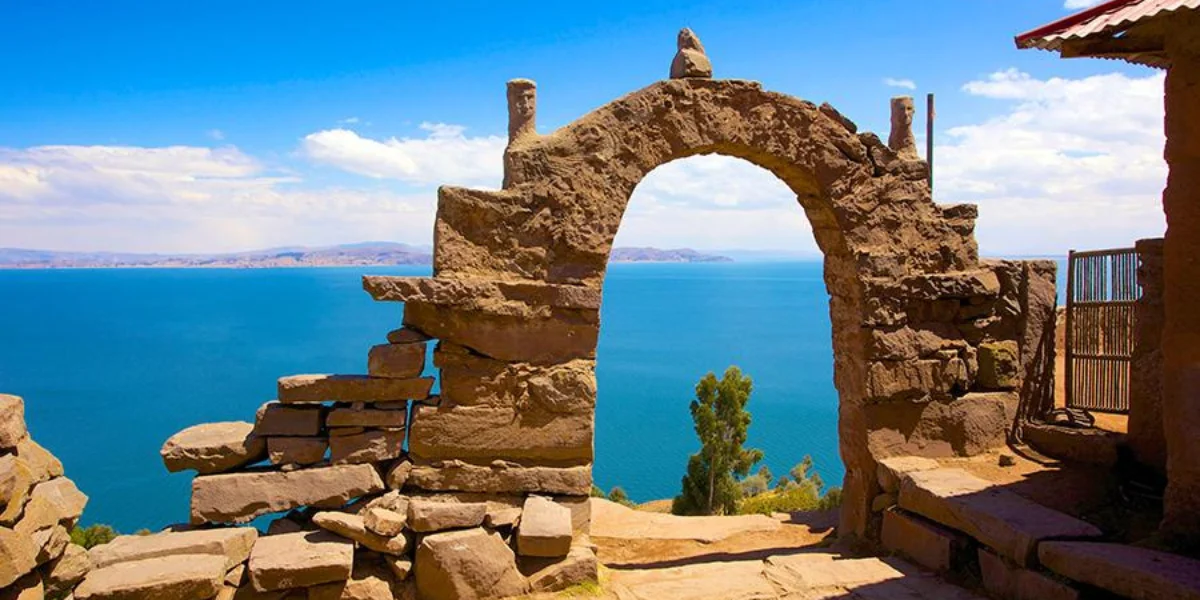
The ideal stay depends on whether you want to visit the city, explore Lake Titicaca, see archaeological sites or attend a festival.
One Day in Puno
One day is suitable for a short visit if your main goal is a boat excursion or a quick introduction to the city.
You may be able to visit Uros or explore the historic center, depending on departure times. Combining a long island tour and Sillustani in the same day may make the schedule rushed.
Two Days in Puno
Two days provide a useful balance for many first-time visitors.
You could spend one day exploring Lake Titicaca and another visiting Sillustani or discovering the city’s food and cultural attractions. An overnight island stay may change the schedule, so check how the excursion fits your arrival and departure times.
Three Days in Puno
Three days allow a more relaxed itinerary with time for the lake, an archaeological excursion and the city itself.
This is a good option for travelers who want a deeper cultural experience or who need time to acclimatize before continuing through the Andes.
Four Days or More
A longer stay may be worthwhile if you are attending the Candelaria Festival, visiting additional archaeological sites, staying in a community or using Puno as part of a broader journey through southern Peru and Bolivia.
Avoid adding destinations simply to fill the schedule. Choose the places that best match your interests.
Puno Itineraries
These itineraries are planning frameworks. Boat routes, transport schedules and opening arrangements can change, so confirm details before finalizing your plans.
One-Day Puno Itinerary
- Morning: Take a boat excursion to Uros, or explore Puno’s historic center if you prefer to remain in the city.
- Afternoon: Return to Puno, visit local shops or enjoy a regional meal.
- Evening: Rest and prepare for your next journey.
Best for: Travelers with limited time.
Two-Day Puno and Lake Titicaca Itinerary
- Day 1: Explore Lake Titicaca through a boat excursion to the islands included in your chosen tour.
- Day 2: Visit Sillustani or spend the day exploring Puno’s historic center, food and cultural attractions.
Best for: First-time visitors who want both lake and land-based experiences.
Three-Day Puno Cultural Itinerary
- Day 1: Arrive in Puno and allow time to acclimatize. Explore the city at a relaxed pace.
- Day 2: Visit Lake Titicaca, choosing the islands and activities that fit your interests.
- Day 3: Visit Sillustani or Cutimbo, subject to transport availability, before continuing your journey.
Best for: Travelers interested in culture, archaeology and a slower pace.
Puno and Lake Titicaca Overnight Experience
- Day 1: Travel from Puno to the islands included in your selected tour. If your itinerary includes Amantaní, stay with a local family and experience the island’s evening atmosphere.
- Day 2: Continue with the planned island visits and return to Puno.
Best for: Travelers who want to spend more time in a local community.
Puno as Part of a Southern Peru Itinerary
Puno can be combined with Cusco, Arequipa and other destinations in southern Peru. Your best route depends on available time, transport schedules and how you want to balance archaeology, landscapes and cultural experiences.
Allow enough time for overland travel and acclimatization. Avoid scheduling a long excursion immediately before a flight or an international connection.
Read Our blog: Peru travel cost guide
How to Get to Puno
Puno is connected to other destinations in southern Peru by air and overland transport. The most practical route depends on your starting point, budget and travel preferences.
Lima to Puno
A common option is to fly from Lima to Juliaca and continue by road to Puno. Direct overland travel is also possible but takes substantially longer.
When comparing options, consider the complete journey, including airport transfers, baggage allowances and departure times.
Cusco to Puno
Travelers can connect Cusco and Puno by road. Bus services and scenic rail services may be available depending on the date and operator.
Check current schedules and operating days before planning around a particular departure.
Arequipa to Puno
Puno can also be reached overland from Arequipa. This route works well for travelers exploring the southern Andes and visiting the Colca region.
Compare the total travel time and departure point before booking.
Juliaca Airport to Puno
Juliaca is the main airport for travelers heading to Puno. From the airport, arrange a suitable transfer to your accommodation.
Confirm the pickup point, total fare, estimated journey time and whether the service is private or shared.
Traveling from Puno to Bolivia
Puno’s location near the Bolivian border makes it a useful stop for travelers continuing toward destinations such as Copacabana.
Verify current border arrangements, entry requirements and transport schedules for your nationality and travel dates. Do not rely on old timetables when planning international connections.
How to Get Around Puno
Puno’s central area can be explored on foot, but excursions to the islands and archaeological sites require additional transport.
Walking Around the City
Walking is a practical way to explore the central area, restaurants and shops. Streets may be steep in places, and altitude can make even short uphill walks feel harder than expected.
Take breaks and use suitable footwear.
Taxis and Local Transport
Taxis and local transport can be useful for getting around the city or reaching places outside the center.
Confirm the fare and destination before departure, especially if you are traveling early in the morning or late at night.
Organized Excursions
Boat tours and archaeological excursions may include transport from Puno. Check exactly what is included before booking, as not all packages offer the same pickup arrangements, group sizes or services.
Where to Stay in Puno
Choosing where to stay depends on your itinerary, budget and whether you want to explore the city or spend time in a lakeside community.
Staying in Central Puno
The central area is convenient for restaurants, shops, transport connections and many organized excursions.
It is a practical choice for travelers who want easy access to services and plan to take day trips.
Staying Near the Lake
Accommodation outside the central area may offer lake views or a quieter setting. Consider transfer times and how you will reach restaurants, boat departures and other services.
A scenic location may be less convenient if you have an early departure.
Staying on an Island
An overnight stay on Amantaní or in another participating community offers a different experience from staying in a city hotel.
Facilities can be basic, so ask about bedding, bathrooms, heating, meals, electricity and payment methods before confirming.
How to Choose Your Accommodation
Before booking, compare location, cancellation conditions, heating, breakfast, luggage storage and transport arrangements.
If you are arriving late or leaving early, confirm check-in times and transfer availability directly with your accommodation provider.
Puno for Different Types of Travelers
First-Time Visitors to Peru
Puno is a good addition to a southern Peru itinerary for travelers interested in Andean culture and Lake Titicaca. Combine the city with one or two carefully selected excursions instead of trying to see everything in a single day.
Culture and History Travelers
Prioritize Sillustani, traditional textile experiences, local food and the historic center. If your dates allow, consider attending the Festival of the Virgen de la Candelaria.
Adventure and Photography Travelers
Lake Titicaca’s wide horizons and high-altitude landscapes offer opportunities for photography and outdoor exploration. Plan around the weather and remember that altitude can affect walking pace.
Families
Consider boat duration, walking distances, altitude and the facilities available during excursions. Ask operators about life jackets, restrooms, meals and the suitability of the itinerary for children.
Travelers with Limited Mobility
Some island walks and archaeological sites involve uneven ground, stairs or steep paths. Request specific accessibility information before booking rather than relying on general descriptions.
Travelers Continuing to Bolivia
Puno can be a practical stop before crossing the border. Allow enough time for overland travel and check current entry requirements and transport schedules.
What to Pack for Puno
Puno’s altitude, strong sunlight and cold nights make layers essential.
- A warm jacket or insulated layer.
- A fleece or sweater.
- A wind-resistant outer layer.
- Comfortable walking shoes.
- Sunscreen, sunglasses and a hat.
- Lip balm and moisturizer.
- A reusable water bottle.
- A small daypack.
- Rain protection during the wetter months.
- Any personal medication you need.
- Cash in small denominations.
- A camera or phone protected from cold and moisture.
If you plan to stay overnight on an island, pack a small overnight bag and confirm whether your operator provides luggage storage in Puno.
Read our blog: Peru packing list
Puno Safety and Practical Travel Tips
Take Altitude Seriously
Give yourself time to acclimatize, especially if you have arrived from sea level. Reduce physical effort if you feel unwell and seek medical assistance for severe or worsening symptoms.
Plan Transport Connections Carefully
Overland journeys can take several hours. Confirm departure points, arrival times and luggage arrangements, and leave a reasonable buffer before flights or international connections.
Confirm Tour Inclusions
Before booking a lake excursion, check the islands visited, boat transport, guide arrangements, meals, entrance fees and return time.
Do not assume that every tour includes the same activities.
Protect Your Belongings
As in any travel destination, keep valuables secure, be aware of your surroundings and use reputable transport providers. Keep essential documents and money in a secure place.
Respect Local Communities
Ask before taking photographs of people or private spaces. Follow local guidance and choose experiences that explain how community members participate in tourism.
Check Current Conditions
Weather, transport schedules, festival programs, entrance arrangements and business hours may change. Confirm important details shortly before your visit.
Puno vs. Lake Titicaca: What Is the Difference?
Puno and Lake Titicaca are closely connected, but they are not interchangeable destinations.
Puno is the city and wider region where travelers can explore the historic center, local food, cultural festivals and archaeological sites such as Sillustani.
Lake Titicaca is the lake itself and the main focus for boat excursions, island visits and community-based experiences on Uros, Taquile and Amantaní.
If you are interested mainly in the islands and lake activities, start with the Lake Titicaca guide. If you want to plan time in the city, learn about the region’s culture, explore archaeology and organize practical transport, use this Puno guide.
Internal link: Link Lake Titicaca travel guide to the confirmed, published destination URL once available.
Plan Your Puno Trip
The best Puno itinerary balances the city, Lake Titicaca, archaeological attractions and the time needed to adjust to the altitude.
If you have limited time, prioritize a lake excursion and a short exploration of the city. With two or three days, you can add Sillustani or another cultural experience without rushing between attractions.
Before confirming your plans, compare transport schedules, tour inclusions, accommodation conditions and the amount of walking involved. These details will help you choose the experience that best matches your travel style.
Peru Travel Guide
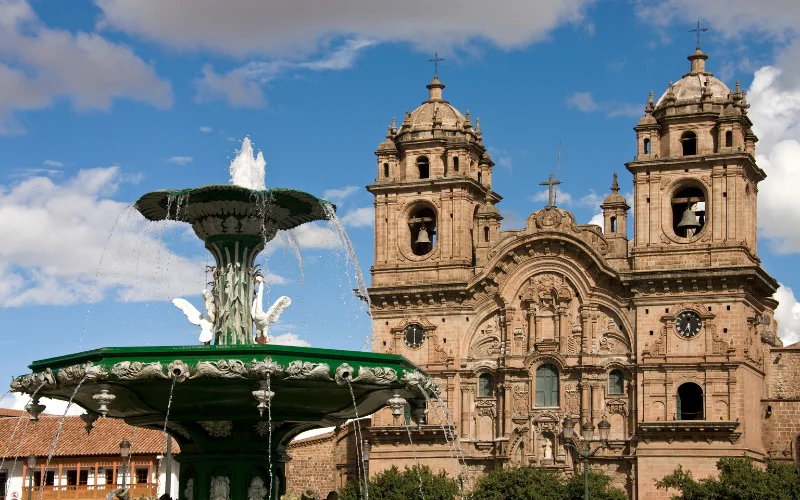
Cusco Travel Guide
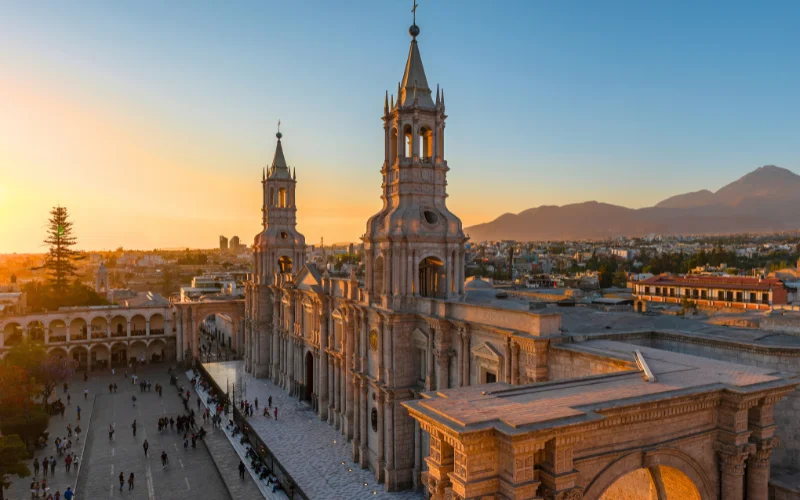
Arequipa Travel Guide
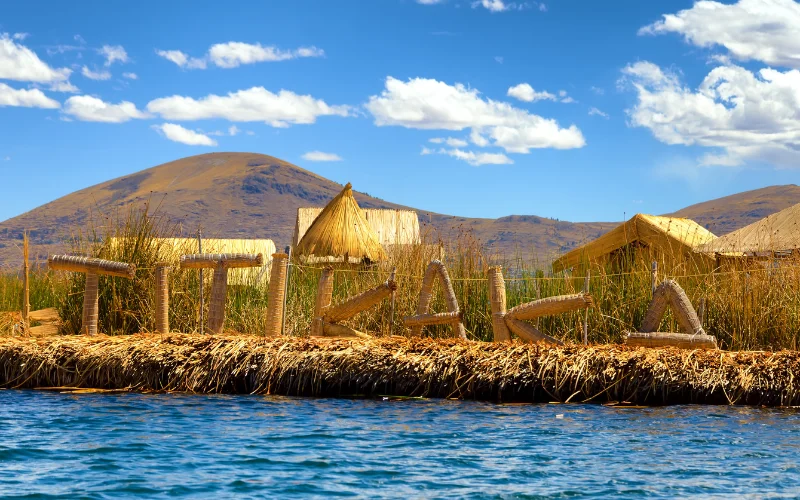
Lake Titicaca Travel Guide
Frequently Asked Questions About Puno
Is Puno worth visiting?
Yes. Puno is worth visiting if you are interested in Lake Titicaca, Andean culture, traditional festivals, regional food and archaeological sites such as Sillustani. It is especially rewarding when you allow enough time to explore beyond a short boat excursion.
How many days should you spend in Puno?
Two days are a useful starting point for many visitors, allowing time for a lake excursion and a land-based attraction. Three days provide a more relaxed pace and more flexibility for acclimatization, archaeology and cultural experiences.
What are the best things to do in Puno?
Popular activities include visiting the Uros Floating Islands, exploring Taquile or Amantaní, visiting Sillustani, walking through the historic center, trying regional food and experiencing local cultural traditions.
What is the best time to visit Puno?
The drier months, generally April through October, are often practical for outdoor sightseeing and lake excursions. February is an important period for the Festival of the Virgen de la Candelaria. Weather and event schedules vary, so check current information before traveling.
Is Puno at a high altitude?
Yes. Puno is approximately 3,800 meters above sea level. Visitors should allow time to acclimatize, walk at a comfortable pace and seek medical assistance if they develop severe or worsening symptoms.
How do you get to Puno from Lima?
A common option is to fly from Lima to Juliaca and continue by road to Puno. Overland travel is also possible but takes much longer. Compare current schedules and total journey time before booking.
Can you visit Puno and Lake Titicaca in one day?
You can take a day excursion to Lake Titicaca from Puno, but combining the lake, the historic center and an archaeological site in one day may feel rushed. Two or more days offer a more comfortable experience.
Is Sillustani worth visiting from Puno?
Yes. Sillustani is known for its monumental funerary towers and its setting beside Lake Umayo. It is a strong option for travelers interested in pre-Hispanic history and archaeology.
What food should you try in Puno?
Regional specialties include trout, chairo, quinoa-based soups and kankacho, a roasted lamb dish associated with the wider Puno region. Availability varies by restaurant.
Can you visit Puno during the Candelaria Festival?
Yes. The festival is one of Puno’s most important cultural events and generally takes place around February. Confirm the dates for your travel year and reserve accommodation early because demand can increase significantly.
Can you combine Puno with Cusco and Arequipa?
Yes. Puno can form part of a southern Peru itinerary that includes Cusco and Arequipa. Choose the route based on current transport schedules, total travel time and the amount of time you want to spend at each destination.
Is Puno a good base for exploring Lake Titicaca?
Yes. Puno is the main gateway for many excursions on the Peruvian side of the lake. Staying in the city is convenient for day trips, while an overnight stay on an island provides more time in a local community.
Ready to Discover Puno?
Discover Puno through its Andean traditions, archaeological heritage, regional food and unforgettable landscapes around Lake Titicaca. Choose the experiences that fit your schedule and make time to understand the region beyond its most famous attractions.
Design Your Peru Trip
View All Day Trips
Discover unforgettable places and experiences, even on a tight schedule.
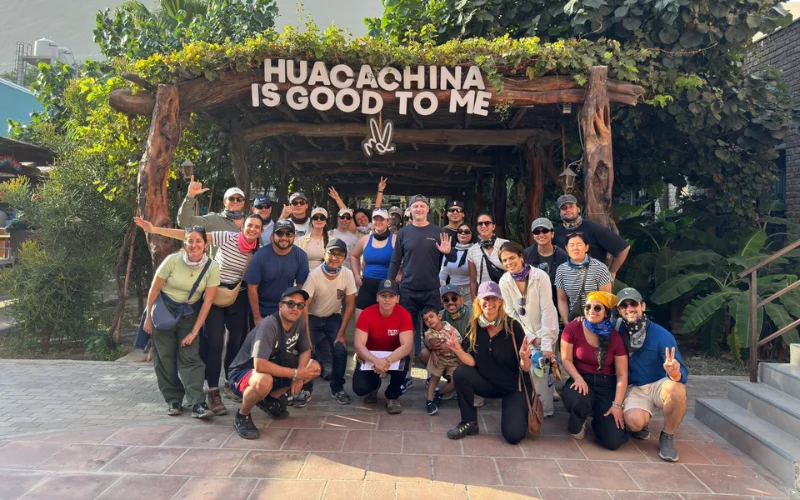
View All Packages
Experience more of Peru with our expertly crafted travel packages.
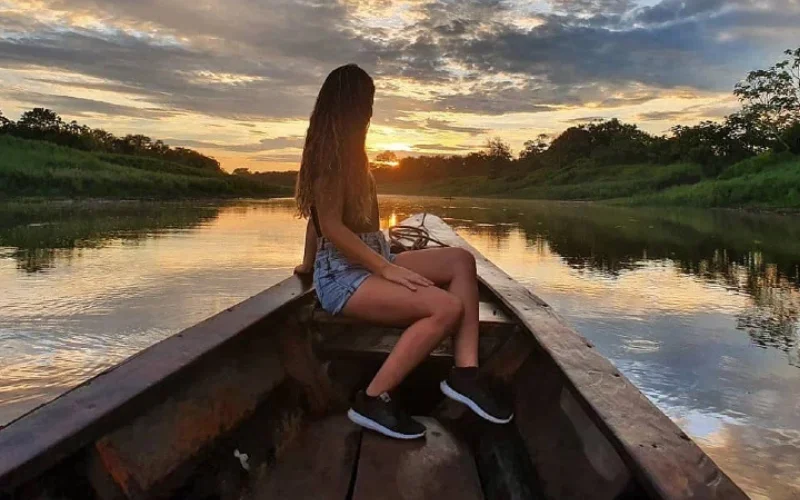
View All Amazon Experiences
Explore the Amazon rainforest, discover incredible wildlife, and connect with nature.
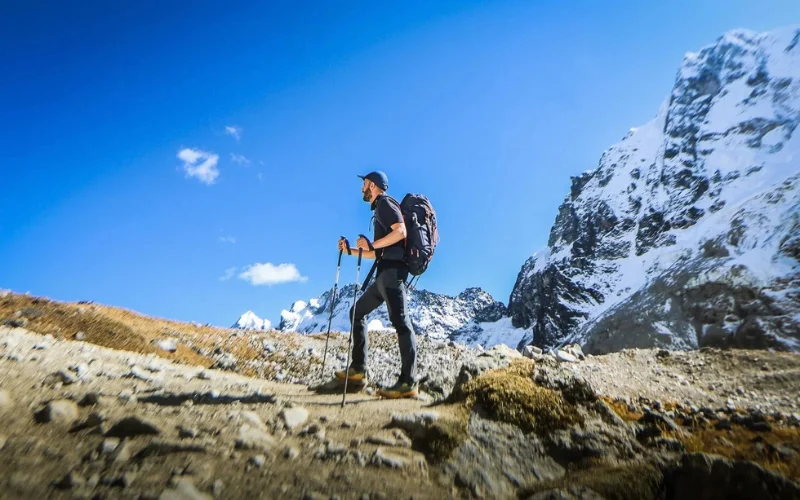
View All Treks
Hike Peru’s most spectacular trails and discover the Andes on foot.